
Shorebirds and Seabirds of the Central California Coastline – Blog Series Post #3
From its rocky shoreline to the depths of the great Monterey Canyon, the Central California coastline and its offshore waters are home to a diverse array of interesting birds. Its habitat diversity and famous coastal cold-water upwelling currents are the secret to its exceptional avian population. In each blog post followers will enjoy my high-quality photographs while learning about the natural history of these interesting birds.
A Reflections of the Natural World Blog Post Series by Jim Gain

WHAT’S IN A NAME
Heermann’s Gull – Larus heermanni
L. larus rapacious seabird; Dr Adolphus Lewis Heermann (1821-1865) US explorer, field naturalist, collector
PHYSICAL CHARACTERISTICS
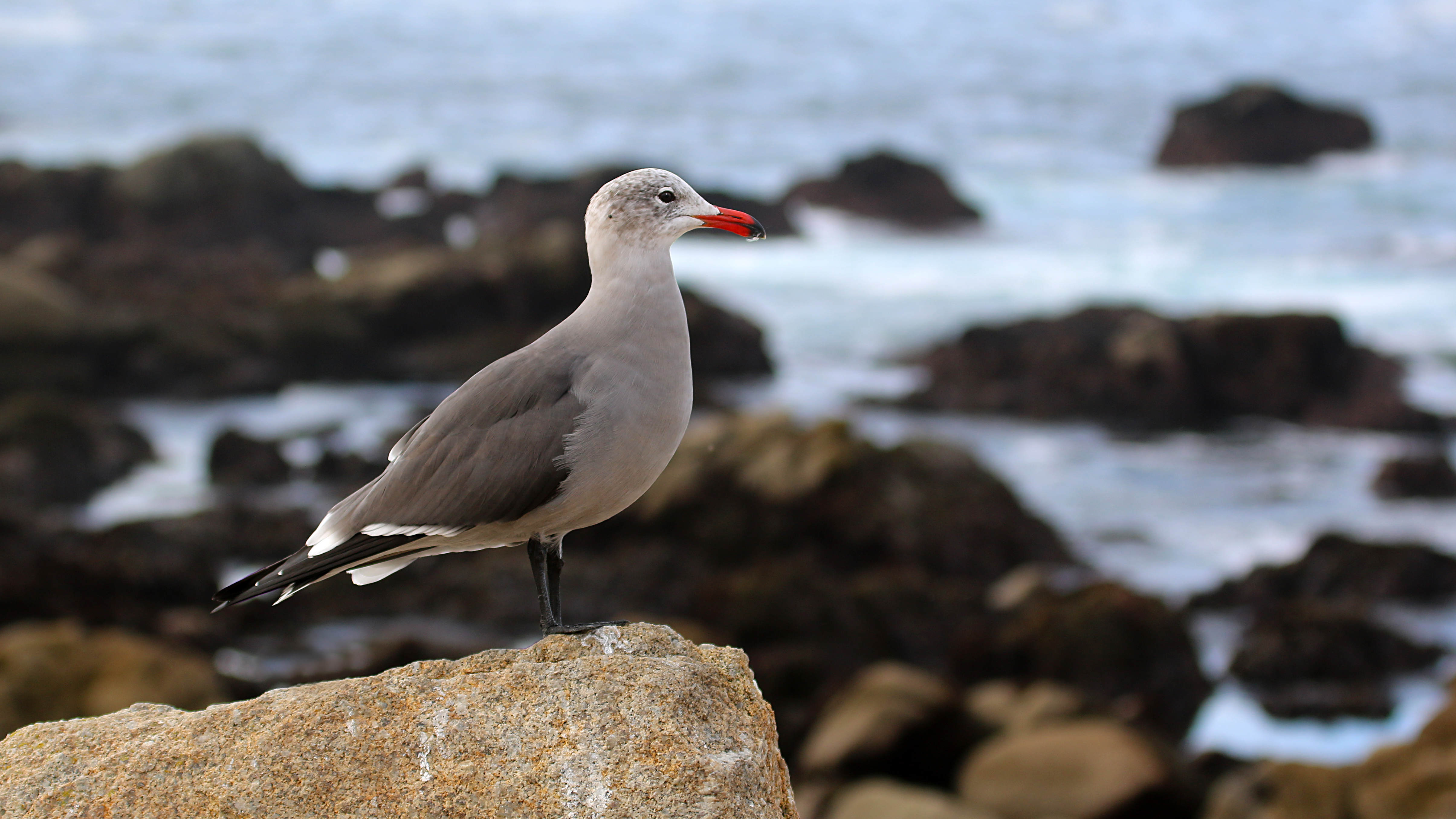
Heermann’s Gull (Larus heermanni) is a distinctive coastal bird species found along the western coast of North America. It has a striking appearance with a predominantly dark gray to black plumage on its head, wings, and back, which contrasts sharply with its white underparts. During the breeding season, it also features a red bill with a black tip and legs. One of its most recognizable features is its white head, which stands out prominently against its dark body, making it easily identifiable among gull species

Heermann’s Gull is a remarkable coastal bird with a unique natural history. It breeds on islands in the Gulf of California and along the Pacific coast of North America, primarily in Mexico. These gulls are known for their pelagic lifestyle, spending much of their time foraging at sea, where they dive to catch fish and other marine prey.

One intriguing aspect of their natural history is their relationship with Brown Pelicans. Heermann’s Gulls are often observed feeding near groups of Brown Pelicans, as pelicans can push schooling fish to the surface, making them more accessible to the gulls. This cooperative feeding behavior benefits both species and is a fascinating example of interspecies interaction in the natural world
HABITAT MOST LIKELY TO BE ENCOUNTERED
Usually found close to shore and in bays and lagoons, but may occur more than a mile from shore.


Leave a Reply