
Shorebirds and Seabirds of the Central California Coastline – Blog Series Post #7
From its rocky shoreline to the depths of the great Monterey Canyon, the Central California coastline and its offshore waters are home to a diverse array of interesting birds. Its habitat diversity and famous coastal cold-water upwelling currents are the secret to its exceptional avian population. In each blog post followers will enjoy my high-quality photographs while learning about the natural history of these interesting birds.
A Reflections of the Natural World Blog Post Series by Jim Gain
WHAT’S IN A NAME
Semipalmated Plover – Charadrius semipalmatus
L. charadrius yellowish bird mentioned in the Vulgate Bible (late 4th century; L. semipalmatus semipalmated < L. semi- half-, semi-, small < semis, semissis half < as, assis whole; palmatus palmate < palma palm
PHYSICAL CHARACTERISTICS
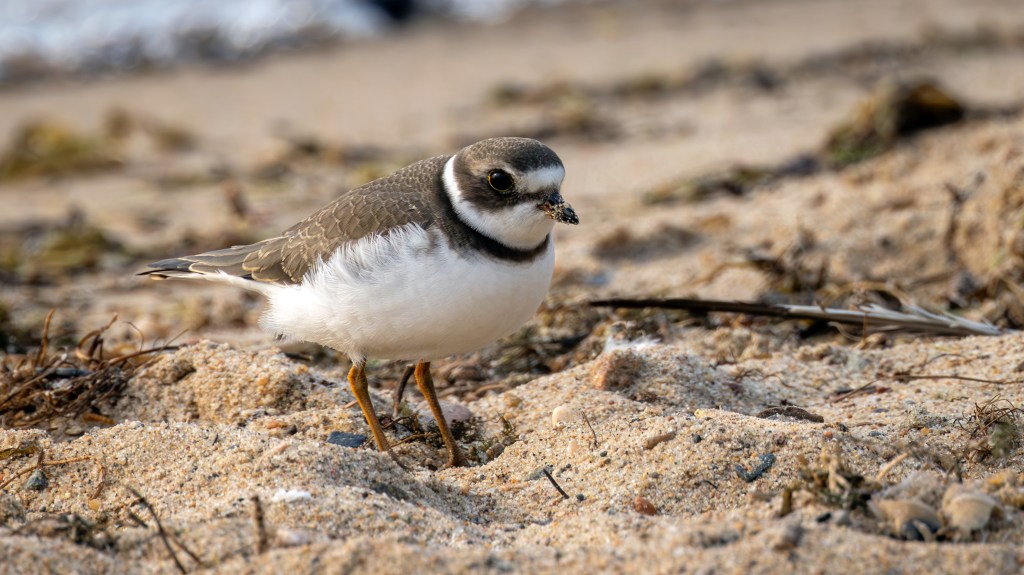
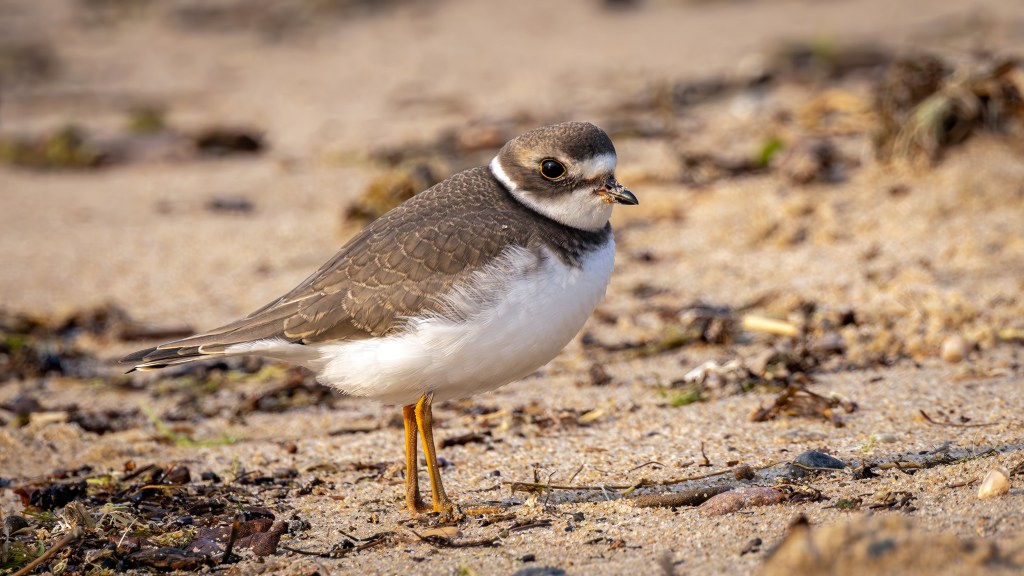
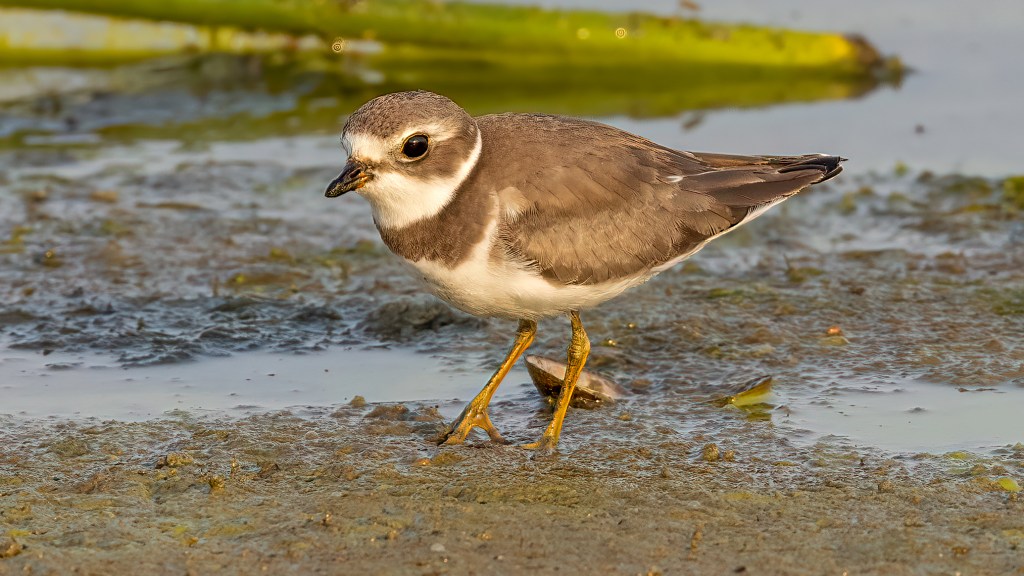
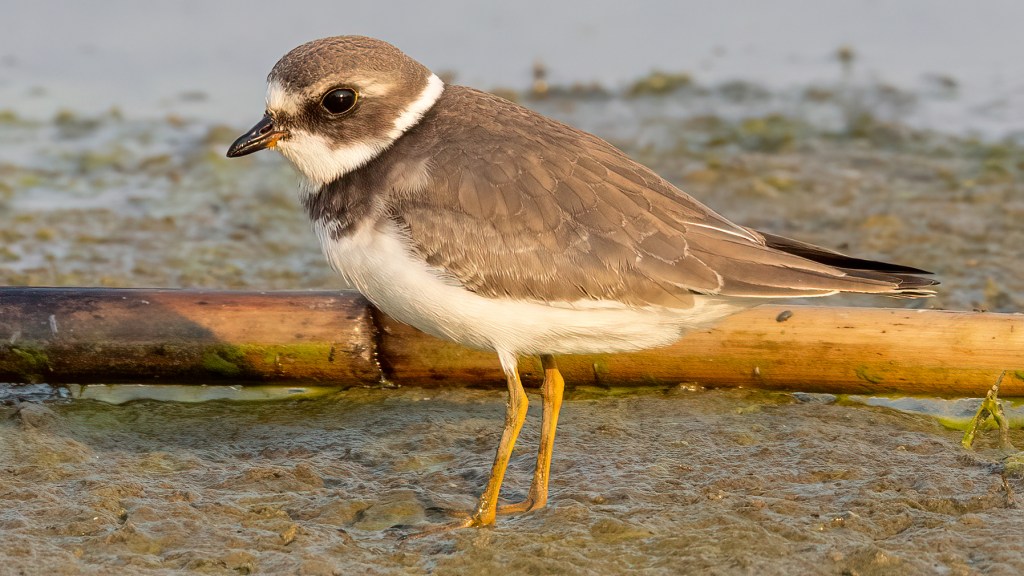
The Semipalmated Plover is a small shorebird with distinct physical characteristics. It has a petite, round body and relatively short legs. Its plumage is predominantly brown on the upperparts, with a white underside. A defining feature is its partial webbing between the toes, giving it the “semipalmated” name, although this webbing is not as extensive as in some other plover species.
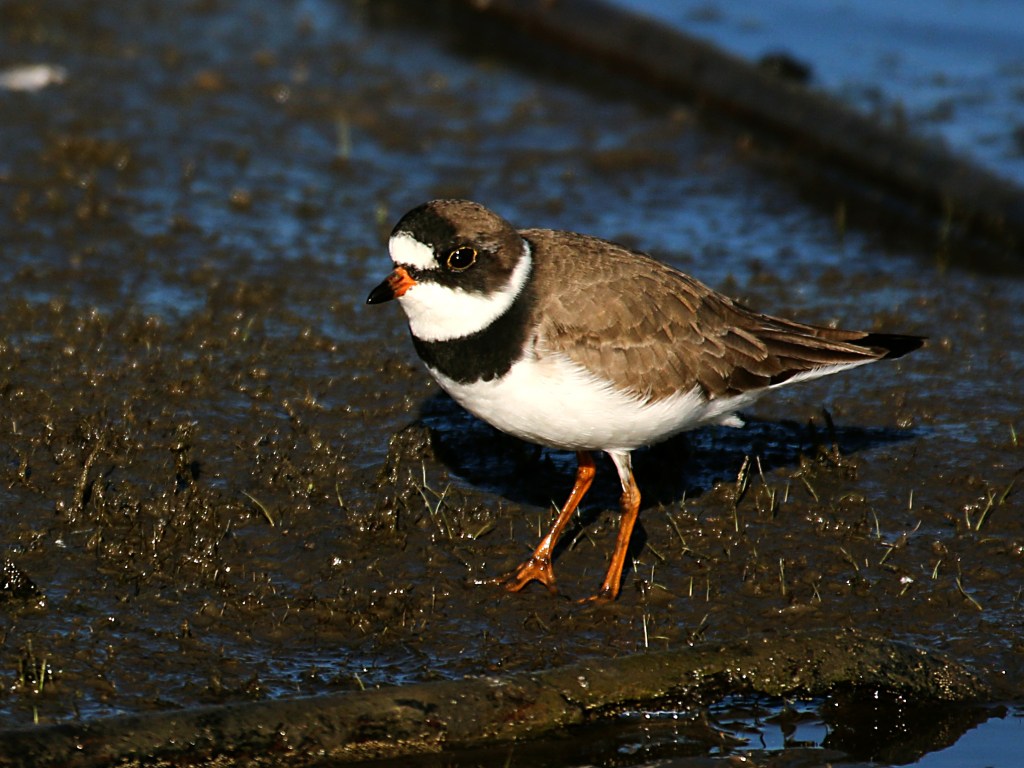
Additionally, during the breeding season, it displays a dark ring around its neck and a black patch on its forehead.
The Semipalmated Plover is a captivating shorebird with an intriguing natural history. These birds are known for their extensive migrations, breeding in the Arctic tundra of North America and traveling to their wintering grounds along the coastlines of South America. They are often seen foraging along sandy beaches and mudflats, using their partially webbed feet to probe for small invertebrates in the sand.
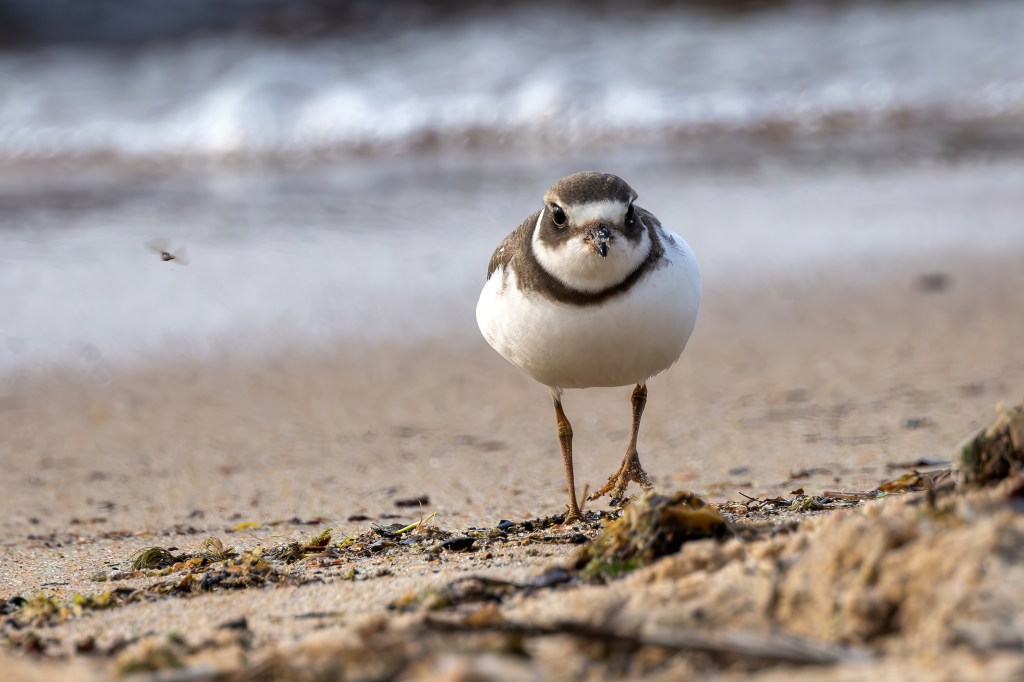
One interesting fact about Semipalmated Plovers is their remarkable nest-defense behavior. When potential threats, such as predators or humans, approach their nests, they engage in a distraction display, pretending to have a broken wing to lure the intruder away from the nest. This behavior helps protect their vulnerable chicks and eggs from harm.
HABITAT MOST LIKELY TO BE ENCOUNTERED
Found along the sandy beaches and tidal mudflats constantly probing for invertebrates.


 Reflections of the Natural World
Leave a reply to Birder’s Journey Cancel reply