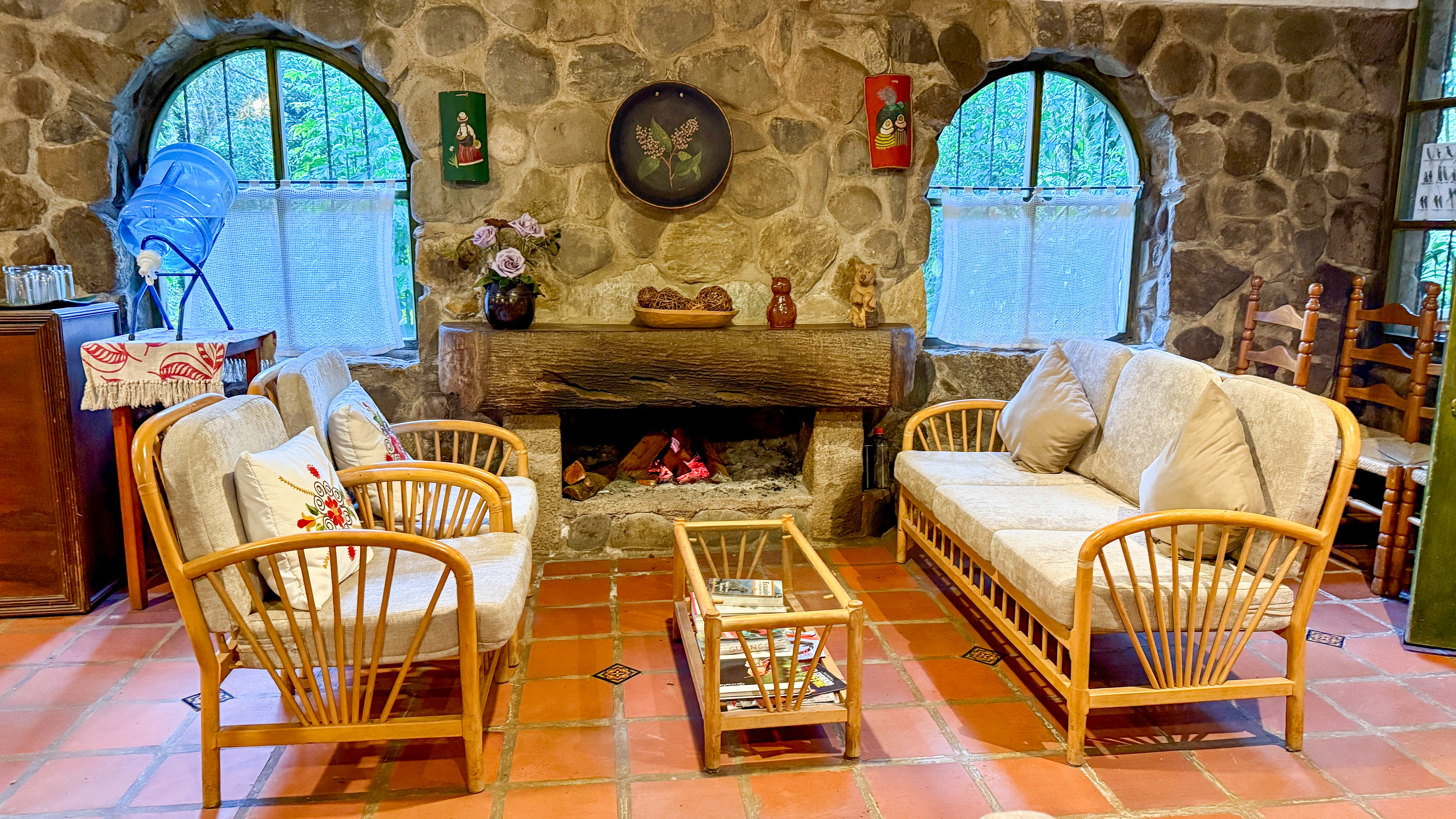
Synopsis: Returning to Guango Lodge after the stark páramo felt like slipping back into warmth and color, where lively feeders, river specialists, and an unfolding afternoon of cloudforest surprises transformed the day’s final hours into one of its most memorable chapters.

Ecuador Birding – Where Every Feather Tells a Story
From October 26, 2025 through November 8, 2025 I joined 5 other adventurers and an outstanding photographer and birding guide (Liron Gertsman) with Eagle-Eye Tours to Ecuador. This blog series highlights the animals (mostly birds), people and locations we encountered over the 14 full days in this beautiful land.
A Reflections of the Natural World Blog Post Series by Jim Gain
**Due to the high resolution and quality of the images in this blog series it is highly recommended
that readers view posts in Landscape Mode on a desktop PC from the actual blogsite at Ecuador Birding**
DAY 9 – Afternoon

The return to Guango Lodge that afternoon felt like slipping back into a familiar embrace after the stark, wind‑scoured world of the páramo. As we descended from the high ridges, the landscape softened—grasses giving way to moss‑laden branches, the air warming just enough to feel welcoming again. By the time the lodge buildings came into view, the cloudforest had reclaimed us fully, its muted greens and constant birdsong a gentle counterpoint to the thin air and swirling fog we’d left behind.
A Softer Rhythm Back at the Lodge
Hooded Mountain Tanager
From the mist‑soaked canopy, a burst of blue and gold stepped into view.

Almost immediately, we were treated to killer views of a pair of Hooded Mountain Tanagers, their bold blues and yellows glowing against the moss‑draped backdrop. These birds always seem larger than life, moving with a slow, deliberate confidence that makes them feel like royalty of the cloudforest canopy. Their thick bills and powerful posture give them an almost sculptural presence, as if carved from the very colors of the Andes.
Tourmaline Sunangel
Then the air itself seemed to ignite with the flash of a jeweled throat.

Around them, the hummingbirds kept the air alive. Tourmaline Sunangels flashed their glittering gorgets with every twist and hover, the iridescence shifting from deep rose to fiery magenta depending on the angle of the light. They zipped between perches with sharp, purposeful movements, defending tiny feeding territories with surprising intensity. Even in a crowd of hummingbirds, their jewel‑like throats made them impossible to ignore.
White‑bellied Woodstar
A heartbeat later, a tiny blur of wings zipped through like a spark in the fog.

A White‑bellied Woodstar zipped through next, moving so quickly it seemed more like a wind‑up toy than a bird. Its tiny size—barely larger than a bumblebee—made its agility all the more impressive as it darted in and out of view. When it paused for a heartbeat, its clean white belly and short, buzzing wingbeats gave it a delicate, almost whimsical charm.
Chestnut‑breasted Coronet
And with a sudden flare of warm color, a bold coronet claimed its perch.

Then a Chestnut‑breasted Coronet swept in, flaring its rich chestnut tones each time it pivoted in the light. This species has a bold, almost pugnacious personality, often perching with wings slightly spread as if ready to launch into the next skirmish. Its deep, saturated colors glowed warmly against the cool greens of the forest, adding a dramatic flourish to the already vibrant scene.
It was a feast of color and motion, the kind of moment that makes you forget how many hours you’ve already spent birding.
Searching the River for Specialists
Eventually we pulled ourselves away from the feeders and wandered down the river trail, hoping—always hoping—for Torrent Ducks. The river was running strong, its voice echoing off the rocks, and it didn’t take long before we found two of its most iconic residents.
White‑capped Dipper
From the roar of the river, a bright white cap flickered into view atop the boulders.

The White‑capped Dipper bobbed energetically along the boulders, its crisp white cap shining like a beacon against the dark, churning water. This species is built for life in the spray zone—dense plumage, powerful legs, and a habit of plunging into torrents that would sweep most birds away. It forages by diving and swimming underwater, using its wings like paddles as it searches for aquatic insects clinging to submerged rocks. Watching it work the river’s edge feels like witnessing a creature half‑bird, half‑current, perfectly at home in the chaos.
Torrent Tyrannulet
Then, darting through the spray, a tiny gray shadow claimed its place among the rapids.

Nearby, a Torrent Tyrannulet flitted from rock to rock, a tiny specialist perfectly adapted to the fast‑moving currents. Its gray‑and‑white plumage blends seamlessly with the river’s stones and foam, and its short, flicking tail helps it maintain balance as it hunts for insects carried along the water’s surface. Unlike most flycatchers, it often forages low and dangerously close to the rapids, darting out in quick sallies to snatch prey before returning to a wet perch. Everything about it—from its compact build to its fearless movements—speaks to a life shaped by rushing water.
Both species felt like small triumphs—river birds with stories written in spray and stone—even if the Torrent Ducks themselves remained elusive.
A Sudden Turn of Events
After a long but pleasant walk, Alex and I headed back toward the feeders to enjoy the late‑afternoon show. I had barely settled in—just enough time to fire off a single frame of a Buff‑tailed Coronet (in the additional photos section below)—when José Gallardo, our driver, came sprinting up the trail, waving urgently and motioning for me to follow. His expression said everything: something big was happening, and it wasn’t going to wait.
NEXT UP: EB#54 “Life in the Whitewater: Torrent Ducks of the Papallacta River“
Additional Photographs


Previous Ecuador Birding Blog Posts:
- The Velvet‑purple Coronet and the Science of Color: A Field Photographer’s Reflection
 A quiet Gray Fox along the Stanislaus River offered a moment of Zen‑like stillness, blending natural history, resilience, and the calm grace of wildness moving at its own pace.
 - EB100 – Epilogue – Full of Wonder and Gratitude
 This epilogue looks beyond the individual bird highlights to the deeper meaning of the journey, capturing the wonder, gratitude, and renewed perspective that Ecuador left within me. This blog series chronicles Jim Gain’s experiences with birds and nature.
 - EB99 – Ecuador – Favorite Images from the West Andes
 This epilogue looks beyond the individual bird highlights to the deeper meaning of the journey, capturing the wonder, gratitude, and renewed perspective that Ecuador left within me. This blog series chronicles Jim Gain’s experiences with birds and nature.
 - EB98 – Ecuador – Favorite Images from the High Andes Páramo
 A visual tribute to the páramo, where the Andes reveal their rawest beauty and every moment feels carved from wind and light. This blog series chronicles Jim Gain’s experiences with birds and nature.
 - EB97 – Ecuador – Favorite Images from the Eastern Andes
 A visual journey through the cool, moss‑laden slopes of the eastern Andes and the birds that define them. This blog series chronicles Jim Gain’s experiences with birds and nature.
 - EB96 – Ecuador – Favorite Images from the Amazon Lowlands
 A collection of my favorite images from the Amazon Basin, where water, light, and life intertwine in one of the world’s most vibrant ecosystems. This blog series chronicles Jim Gain’s experiences with birds and nature.

>>Ecuador Birding Blog Home Page Link https://reflectionsofthenaturalworld.com/ecuador-birding/
*This Ecuador Birding blog post was shaped and polished with the assistance of Microsoft Copilot, helping bring clarity and a consistent flow to my field notes and dictated memories.
**Unless otherwise indicated in the image caption, all photographs (>99%) are mine.
Leave a Reply