
Western Europe Birds & Birding (#39/52): From the Highland Willow Scrub of Scotland to the Aegean Islands in the Sea of Crete, Western Europe is home to over 800 resident, migratory and vagrant birds. From songbirds to gamebirds and from waterfowl to raptors, you can find birds virtually in every nook and cranny of this beautiful area. *All images showcased in this blog series were taken and edited by me.
A Reflections of the Natural World Blog Post Series by Jim Gain
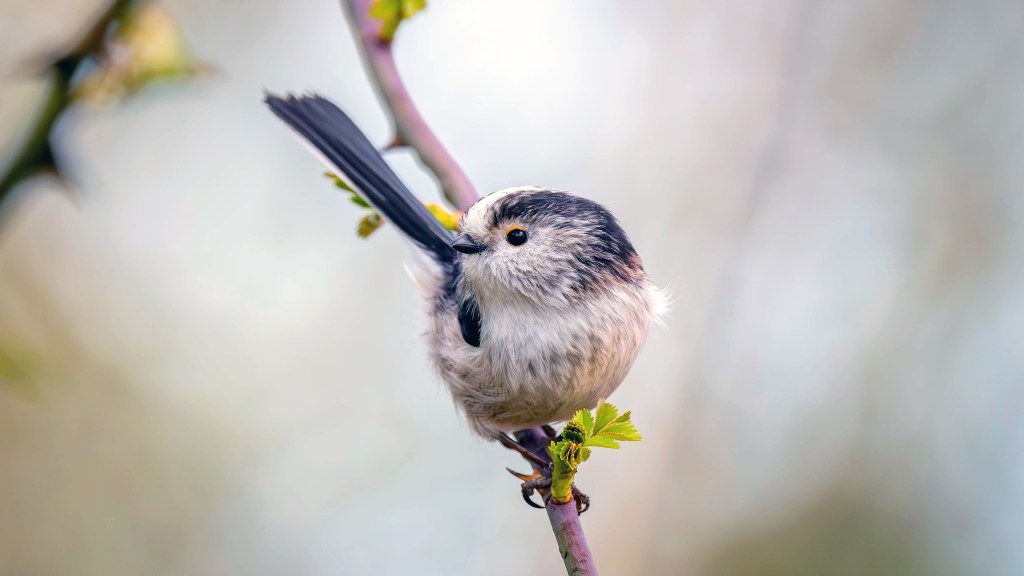
The Long-tailed Tit (Aegithalos caudatus) is a charming little bird found across temperate Northern Europe and the Palearctic region.

Physical Characteristics:
- The Long-tailed Tit is a petite bird with a striking appearance. It boasts a long, slender tail that often exceeds its body length.
- Its plumage is a delightful blend of pinkish-brown, white, and black. The crown and nape are pale pink, while the back and wings exhibit a mix of brown and white.
- The black eye stripe gives it a distinctive look, resembling a tiny mask.
- These birds have a short, stubby bill suited for their insectivorous diet.

Diet:
Long-tailed Tits primarily feed on insects, spiders, and larvae. They are skilled at foraging in trees and shrubs, often hanging upside down to reach hidden prey. During colder months, they supplement their diet with seeds, berries, and small fruits.

Abundance and Distribution:
The Long-tailed Tit is globally widespread. Its habitat extends from boreal Scandinavia to the Mediterranean zone. It thrives in deciduous and mixed woodlands with a well-developed shrub layer. These birds favor edge habitats where trees meet open spaces. The total population size of Long-tailed Tits is estimated to be 40,000,000 to 79,999,999 mature individuals globally. In Europe, the breeding population consists of 8,310,000 to 15,000,000 pairs, equivalent to 16,600,000 to 30,100,000 mature individuals.

IUCN Red List Status:
According to the IUCN Red List, the Long-tailed Tit’s population trend appears to be fluctuating. However, it does not approach the thresholds for Vulnerable under the population trend criterion (which requires a >30% decline over ten years or three generations).
For more information, you can explore the IUCN Red List and learn about the conservation status of various species.

LONG-TAILED TIT WAS LIFER #820


 Reflections of the Natural World
Leave a reply to Alex Leonard Cancel reply