
Chronicles of a Birders Life List
Over the past 40 years I have had the good fortune to photographically document 85% of the bird species added to my “Life List.” This blog series showcases the images and anecdotal accounts that document those “Lifer” sightings and a little about the environment and culture of the area. This Lifer blog series begins with my first LIFER outside of the US, Lifer #624 and proceeds chronologically forward from there.
A Reflections of the Natural World Blog Post Series by Jim Gain

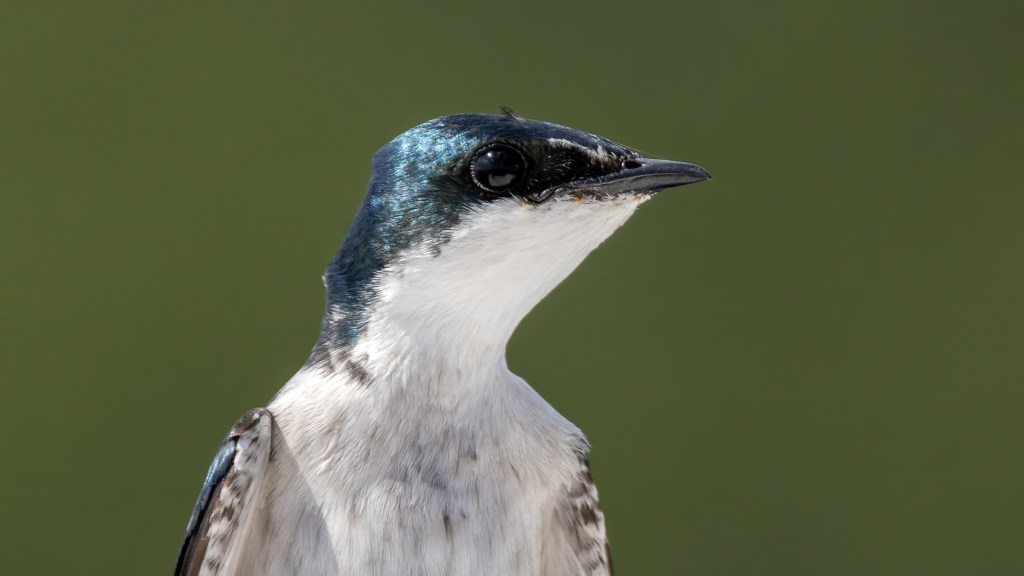
Mangrove Swallow (Tachycineta albilinea) > Hirundinidae > Passeriformes

IDENTIFICATION: Small swallow of tropical lowlands. Usually near water, from mangroves and coastal lagoons to rivers well inland; mainly in small groups, often mixed with other species of swallows. In its range, the big white rump patch is distinctive. Adult is metallic blue above with small white chevron across base of bill; gleaming white below. Juvenile has dusky gray-brown upperparts with white rump, looks like adult by early winter.
FIRST “LIFER” OBSERVATION:
Birding with: My wife Maria
Date: 03 Dec 2021 @ Parque Nacional Tulum, Quintana Roo, MX
PN Tulum | MX-ROO
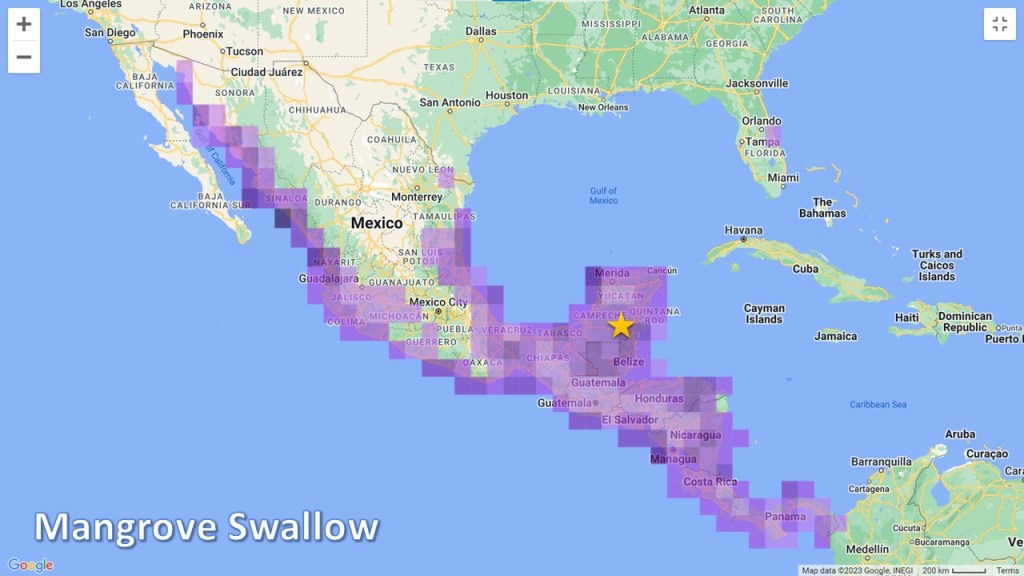
SPECIES GLOBAL eBIRD DISTRIBUTION MAP
Yellow Star indications the location of my Lifer sighting
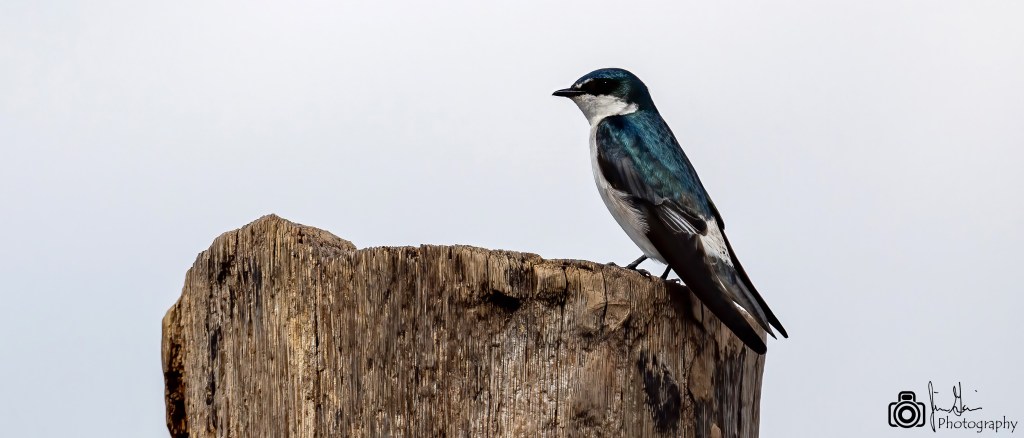
DETAILS ABOUT SIGHTING: This visit was certainly not primarily for birds, but for the breath-taking beautiful Mayan Temples and the surrounding tropical paradise. Unusual for its close proximity to the ocean, the buildings are surrounded by palm trees and other mixed broadleaf vegetation. While I only got one new Lifer, the Mangrove Swallow, we were treated to repeat views of Yucatan Jays, Tropical Mockingbirds, and Olive-throated Parakeets. From the time we left our car in the parking lot, the swallows were constantly flying overhead. I only managed a couple of barely discernable identifications, I was able to get better photographs later on in Southern Quintana Roo and in Belize. While having the same general colors as a Tree Swallow, the Mangrove Swallow has a bold white rump.
PHOTOS TAKEN:
As explained above, we were unable to photograph our Lifer sighting of the two Bat Falcons at Chichén Itzá. All images below were taken at different locations and are labeled, (Zona Arqueológica Calakmul, Campeche, MX, Burgos, Quintana Roo, Pook’s Hill, Belize).


BACKGROUND ABOUT THE TULUM ARCHEOLOGICAL ZONE

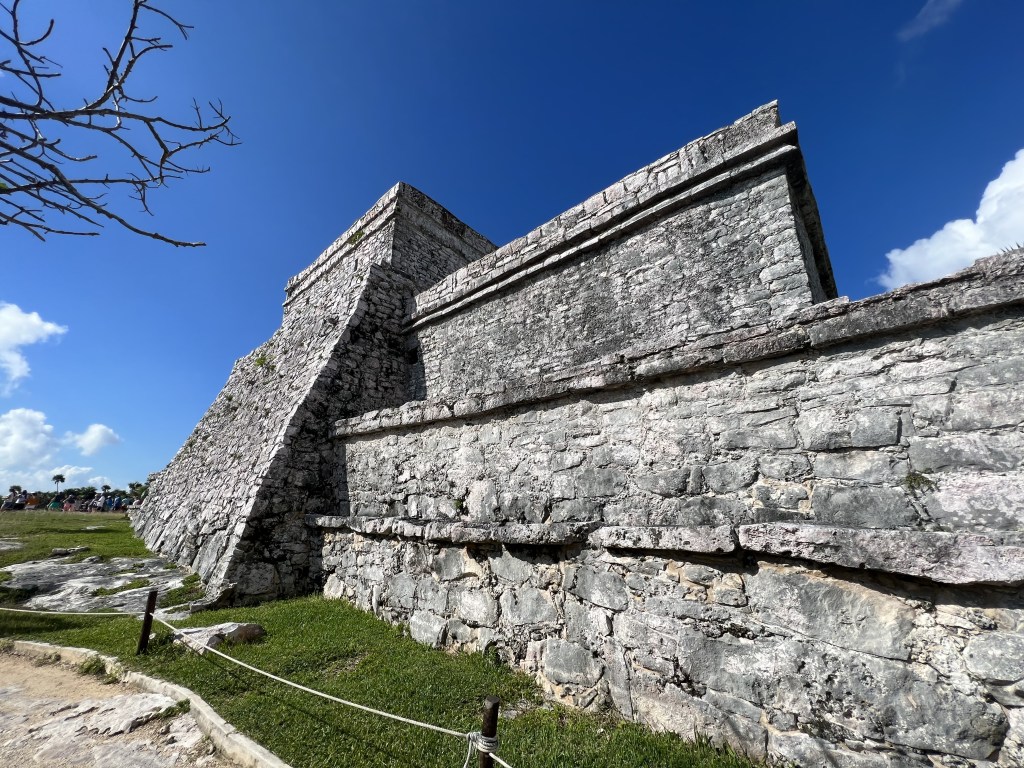
The 13th-century, walled Mayan archaeological site at Tulum National Park overlooks the sea. It incorporates the clifftop Castillo, built as a watchtower, and the Templo de las Pinturas, with a partially restored mural. Inland, the Cobá archaeological site has pyramid-shaped temples with views over the surrounding jungle.


Previous 3 posts in my LIFER Blog Series.


 Reflections of the Natural World
Leave a reply to Birder’s Journey Cancel reply