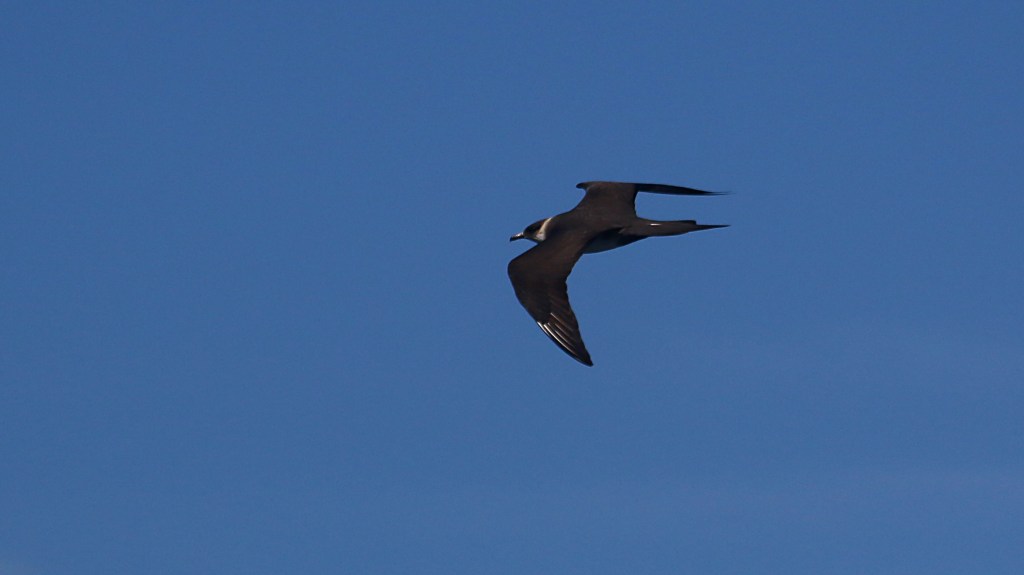

Shorebirds and Seabirds of the Central California Coastline – Blog Series Post #6
From its rocky shoreline to the depths of the great Monterey Canyon, the Central California coastline and its offshore waters are home to a diverse array of interesting birds. Its habitat diversity and famous coastal cold-water upwelling currents are the secret to its exceptional avian population. In each blog post followers will enjoy my high-quality photographs while learning about the natural history of these interesting birds.
A Reflections of the Natural World Blog Post Series by Jim Gain
WHAT’S IN A NAME
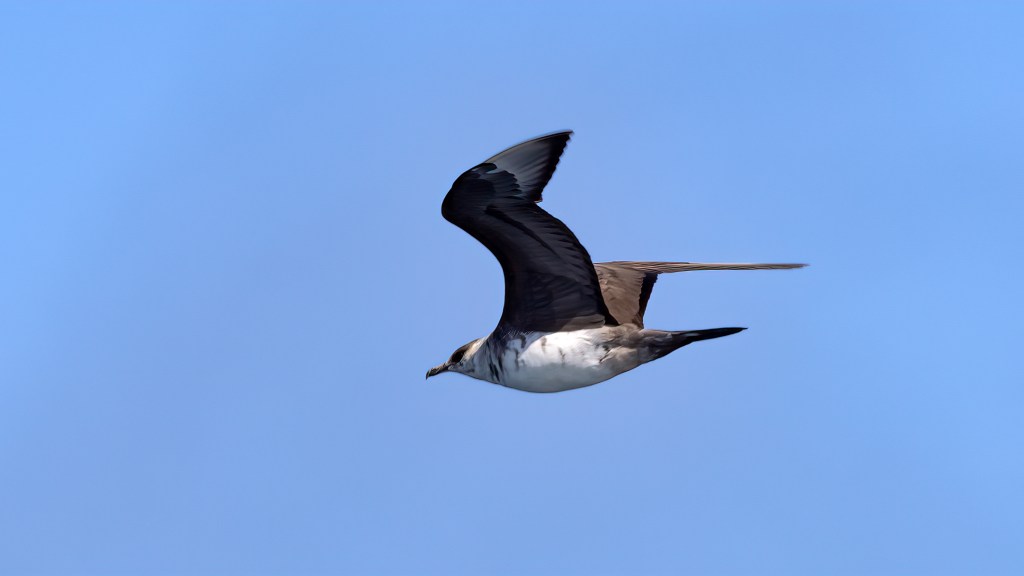
Parasitic Jaeger – Stercorarius parasiticus
L. stercorarius of dung < stercus, stercoris dung; skuas pursue other seabirds until they disgorge their food, the disgorged food once thought to be excrement, hence a former name ‘Dung-hunter’; ” L. parasiticus parasitic
PHYSICAL CHARACTERISTICS
The Parasitic Jaeger (Stercorarius parasiticus) is a seabird known for its striking physical characteristics. It has a sleek and agile appearance with long, pointed wings and a deeply forked tail. Its plumage varies depending on age and season; adults typically exhibit a dark gray to blackish upperparts and a white underside, while juveniles have more mottled and brownish plumage. Parasitic Jaegers have distinctive white wing flashes, which are conspicuous in flight and help in their identification.
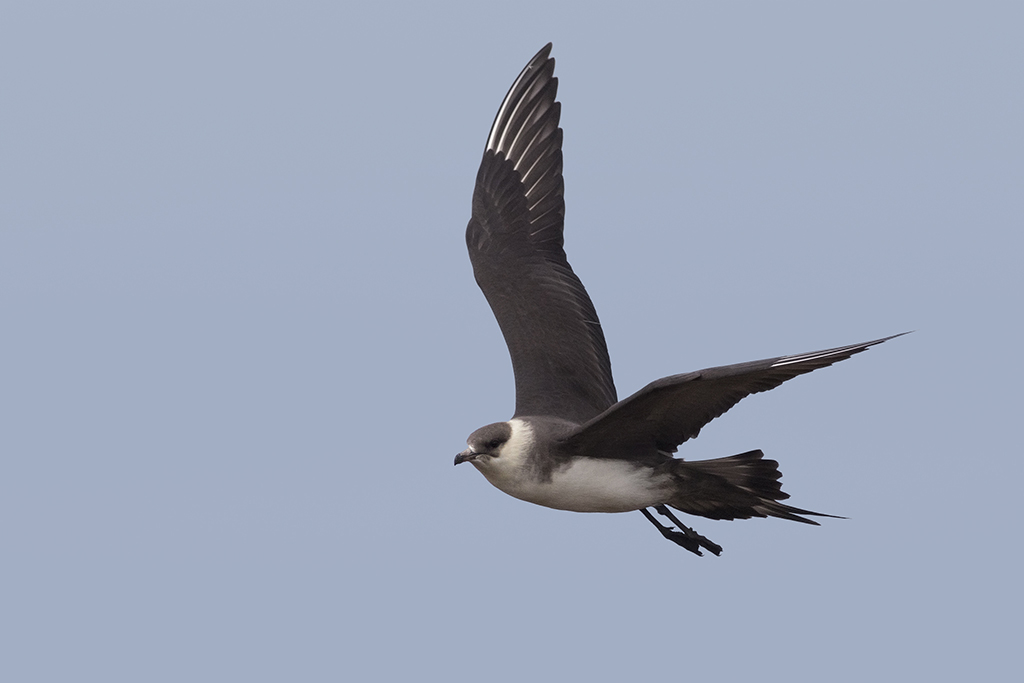
The Parasitic Jaeger is a fascinating seabird with an intriguing natural history. These agile birds are known for their impressive aerial piracy skills, often harassing other seabirds, like gulls and terns, to steal their prey. They breed in the Arctic tundra and spend their winters at sea in the southern hemisphere.
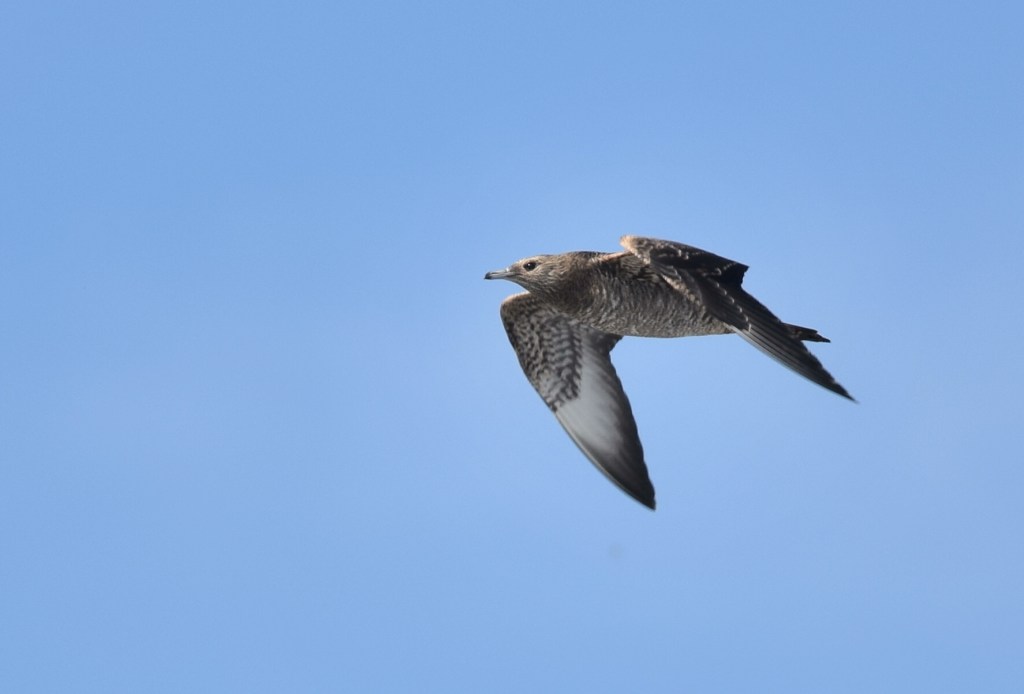
An interesting fact is that their name “Parasitic” comes from their habit of stealing food from other birds, a behavior known as kleptoparasitism, which can be quite dramatic to witness in their oceanic habitats.
HABITAT MOST LIKELY TO BE ENCOUNTERED
Parasitic Jaegers can occasionally be seen along the shoreline, however they are most often found on pelagic trips outwards a mile or more.


 Reflections of the Natural World
Leave a reply to Birder’s Journey Cancel reply