
One Moment in Nature is a reflection back in time to a moment of discovery as I explored the natural settings around me. Through the sharing of this moment, is my hope that readers will become motivated to learn more about our environment and its inhabitants, and become passionate advocates for conservation. One Moment in Nature is a Reflections of the Natural World Blog Post Series by Jim Gain

THE SETTING
When identifying birds, experts frequently use habitat as a key to confirm the identification. For example, you’ll usually find herons near water and you can expect to find woodpeckers in woodlands. Across the globe, generally there are four broad categories of habitat: (1) woodland habitats (coniferous or deciduous trees); (2) aquatic habitats (lakes, ponds, swamps, marshes, oceans, and shorelines); (3) scrub-shrub habitats (short woody plants and bushes); and (4) open habitats (grasslands, agricultural fields, and tundra). On this trip to England to visit our grandkids (and their parents, of course!), we were heading to Weybourne Beach at the Norfolk coastal area for a couple of days and I was thrilled to visit yet another new habitat with more new birds to discover. Sandy beaches and sandpipers, here we come!
THE BIG SURPRISE
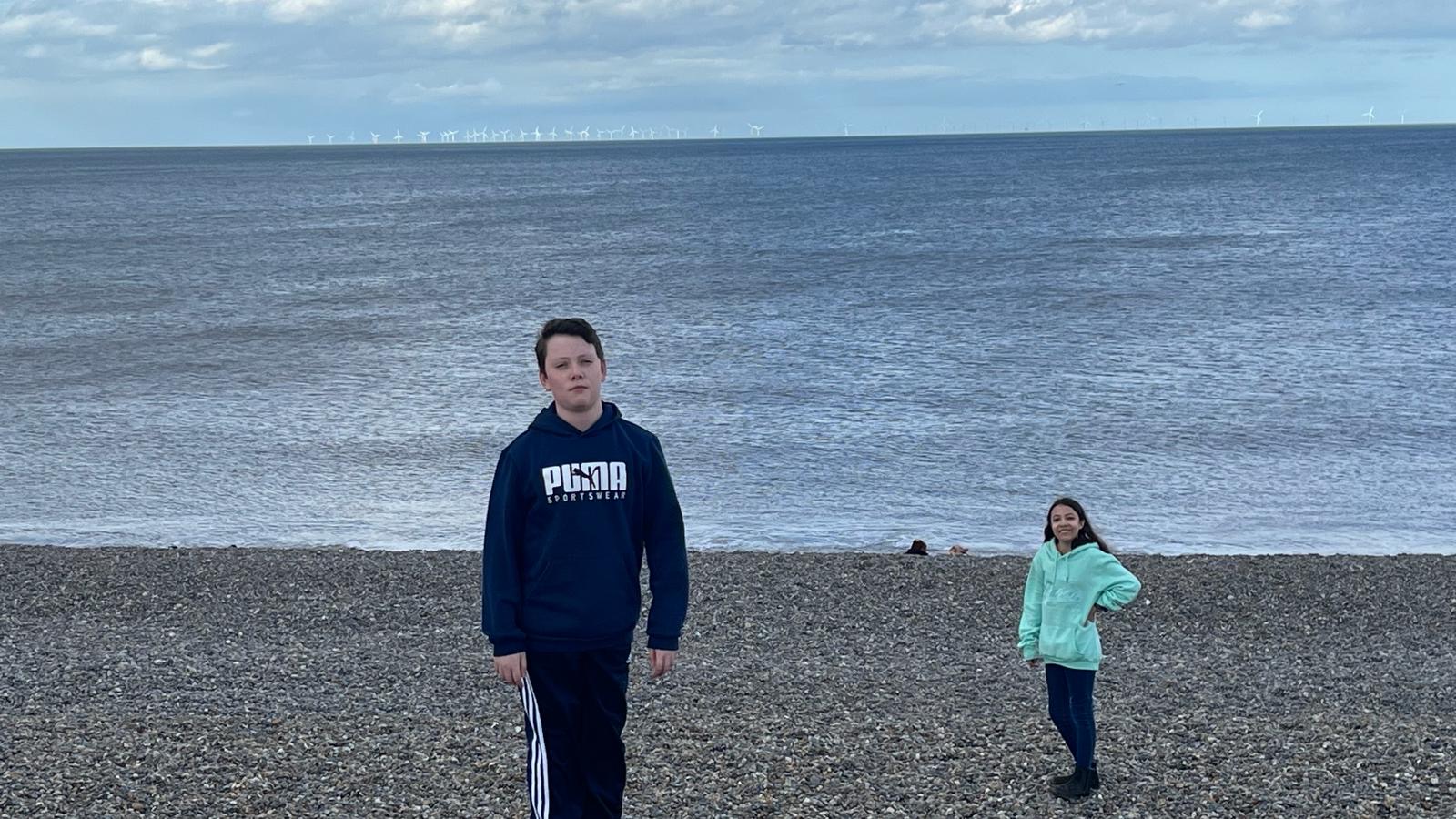
As a person that lives only 2 hours from the Pacific ocean, I grew up with a certain mindset on what to expect as far as sandy beaches and rocky shorelines go. However, that mindset was about to get a major upgrade as my expected Norfolk sandy beach turned into something completely different than anything I ever imagined. As we walked up the trail from the village towards Weybourne Beach we came to a raised berm that was made out of almost cobble-sized pebbles that blocked our view of the “sandy” beach at water’s edge. As we walked up and over the berm that separated us from the “beach” I realized that there was no “sandy” beach. Instead, we were on what they referred to as a shingle beach.

A shingle beach, also known as either a cobble beach or gravel beach, is a commonly narrow beach that is composed of coarse, loose, well-rounded, and waterworn gravel, called shingle. The gravel (shingle) typically consists of smooth, spheroidal to flattened, pebbles, cobbles, and sometimes small boulders, generally in the 20 to 200 millimetres (0.8 to 7.9 in) size range (my thanks to Wikipedia).
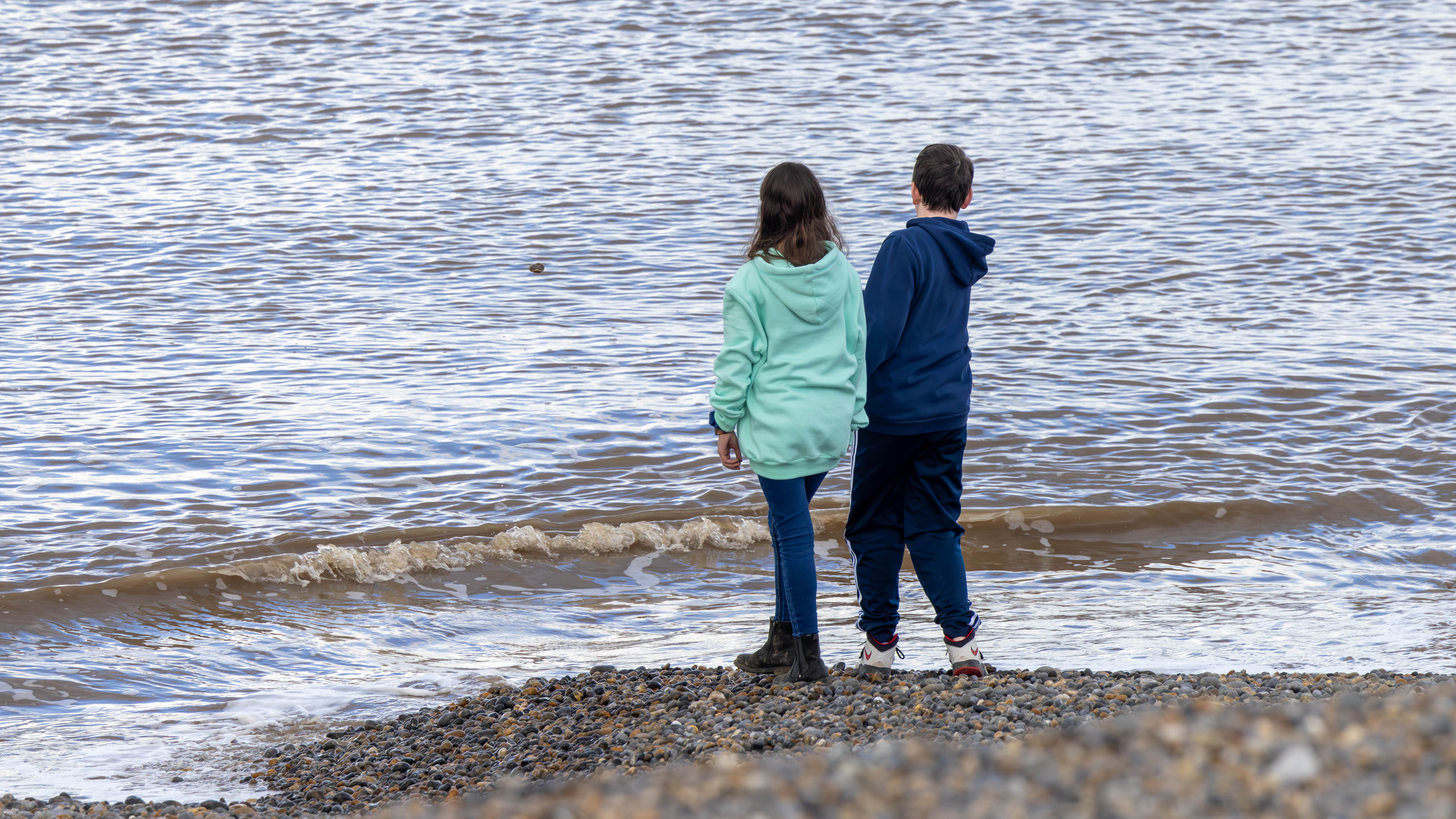
My grandkids, Isaac and Ellie however, quickly took to the age-old tradition of finding the flattest pebble to skip over the water.
THE BIRDING MOMENT
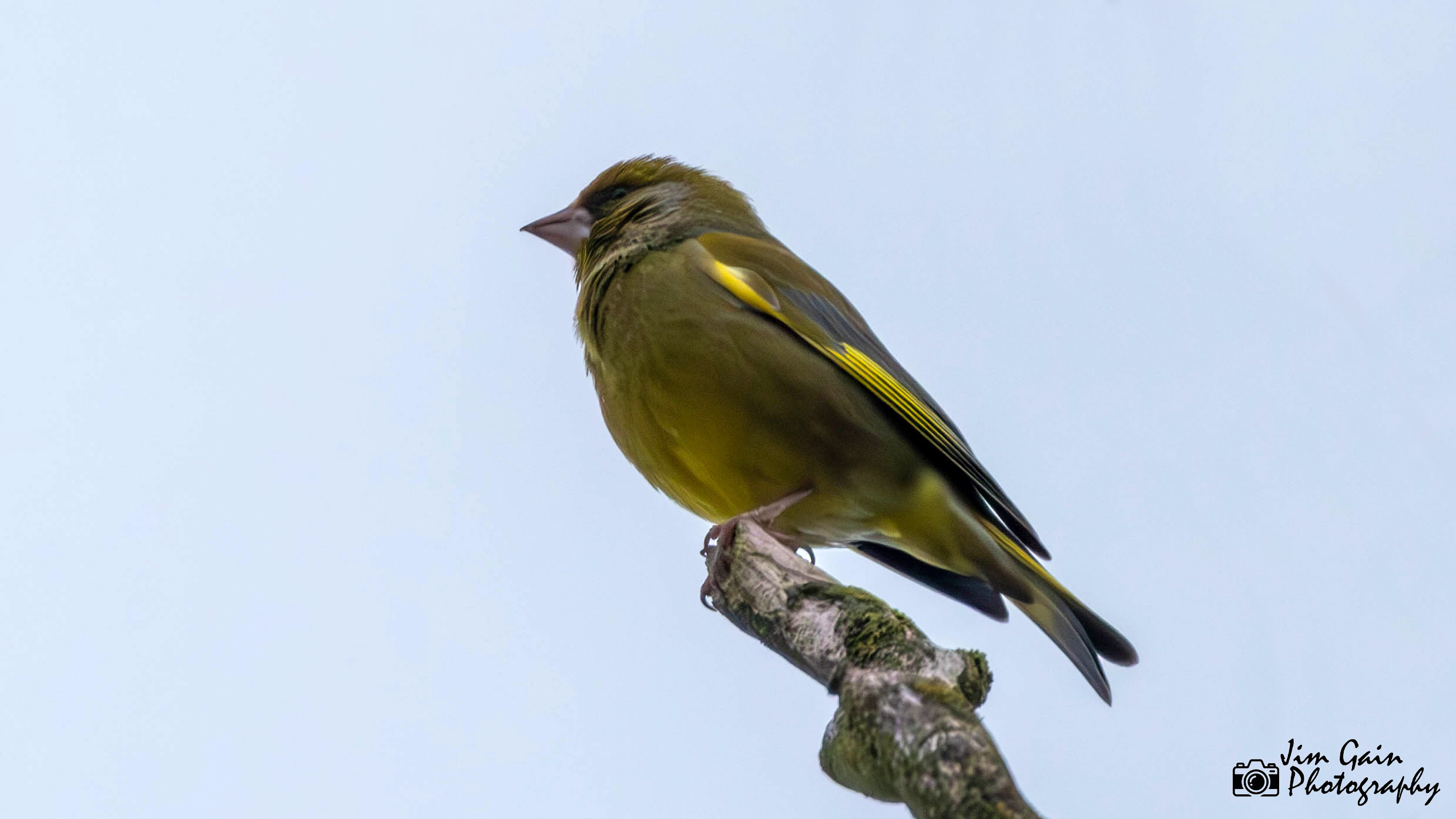
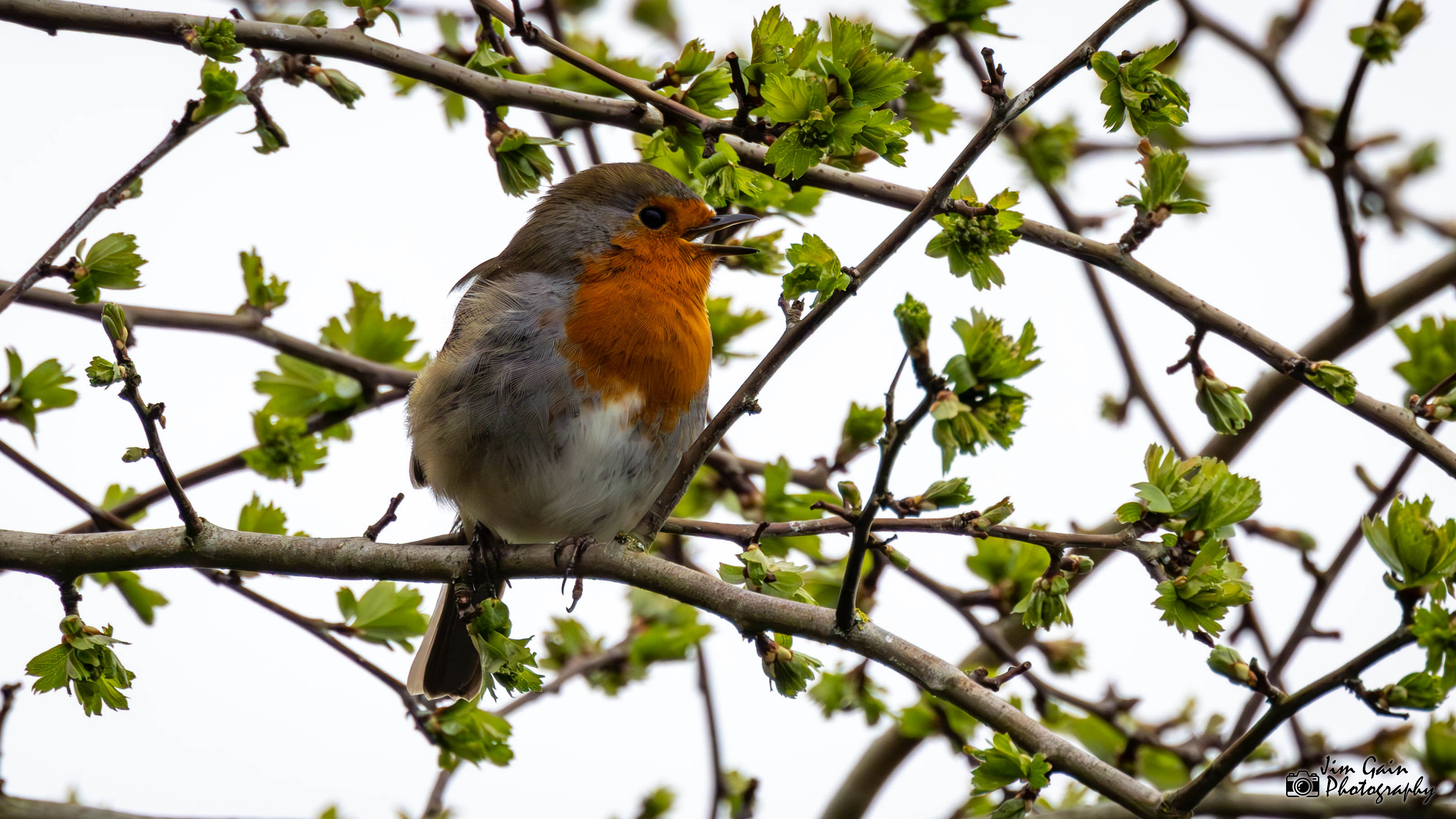
While it was a pleasant 10-minute walk to the”beach” with European Goldfinches, Greenfinches and Robins calling from the hedgerows, it was the possibility of new habitat with new shorebird species that beckoned me the most.

Visions of skittering Ringed Plovers, Redshanks and Greenshanks along the shoreline fueled my excitement and added an extra pep to my steps. My bubble of anticipation was soon shattered however as my beautiful sandy beach vision gave way to pebbles, and more pebbles and millions of pebbles. While there were plenty of Black-headed Gulls to admire and photograph, it was shorebirds I was hoping for.

I walked a couple of kilometers along the trail, enjoying the ocassional passing Western Marsh Harrier and the constantly calling Eurasian Skylarks when I heard the unmistakeable calls of an Oystercatcher, European Oystercatcher to be exact. A flock of 4 flew just by me and proceeded down the coast where they landed quite a ways away.

I walked as fast as one can on the less-than-firm substrate that cobblestone provide, and eventually managed to get close enough with my 500 mm lens without spooking them to capture the moment forever.

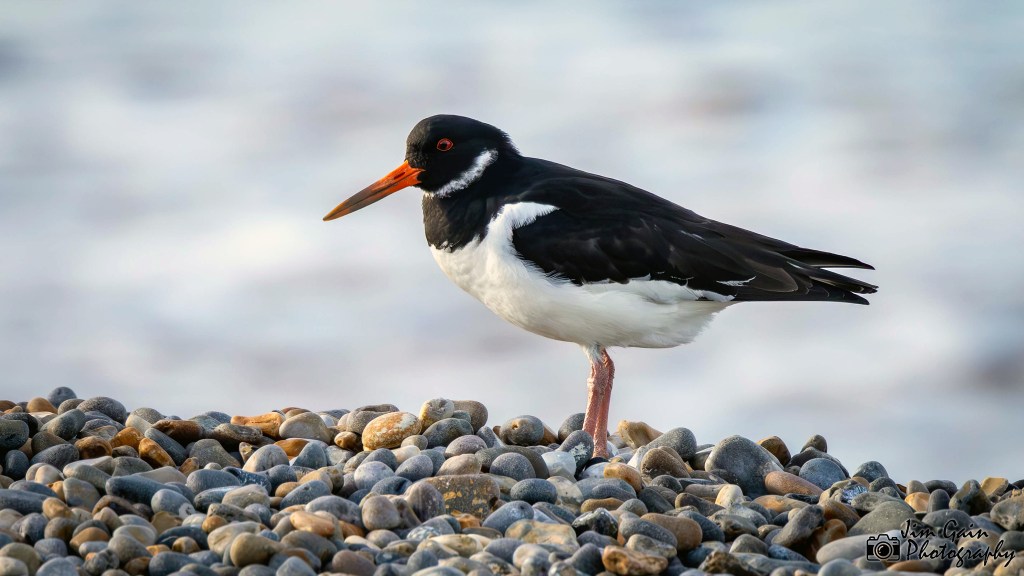


It didn’t seen too bothered by my presence and allowed me to take many photographs before it finally flew up the hill and away from the lake area. Over and over and over … tyt tyt-tyt …

ABOUT THE SPECIES
Distribution and Abundance: The Western subspecies of Eurasian Oystercatcher is found in Iceland and Scandinavia E to R Pechora, S through British Is to NW France, with isolated populations in Mediterranean from NE Spain and S France to Turkey; winters S to W Africa.
Conservation Status: This species is suspected to have undergone a population reduction over the past three generations that approaches the threshold for listing as Threatened. The recent decline may be part of a longer-term fluctuation and the population should be monitored carefully to ascertain whether it shows signs of stabilising.
ABOUT THE AREA

The Norfolk shore in England has a variety of habitats, including:
Dunes
The North Norfolk Coast has large, active dunes on shingle barrier islands and spits. These dunes are home to a variety of vegetation, including lichens, winter annuals, marram, red fescue, and sand sedge.

Shingle Beaches
A shingle beach, also known as either a cobble beach or gravel beach, is a commonly narrow beach that is composed of coarse, loose, well-rounded, and waterworn gravel, called shingle. Shingle beaches typically have a steep slope on both their landward and seaward sides.
It is mainly composed of hardwoods: chestnut trees (50%), and pedunculate oaks (35%). It is home to a variety of wildlife: foxes , martens , pine martens , weasels , squirrels, as well as amphibians and many species of birds.
Most recent Blog Posts from the One Moment in Nature series.


 Reflections of the Natural World
Leave a reply to Gary Hartley Cancel reply