Western Europe Birds & Birding (#30/52): From the Highland Willow Scrub of Scotland to the Aegean Islands in the Sea of Crete, Western Europe is home to over 800 resident, migratory and vagrant birds. From songbirds to gamebirds and from waterfowl to raptors, you can find birds virtually in every nook and cranny of this beautiful area. *All images showcased in this blog series were taken and edited by me.
A Reflections of the Natural World Blog Post Series by Jim Gain
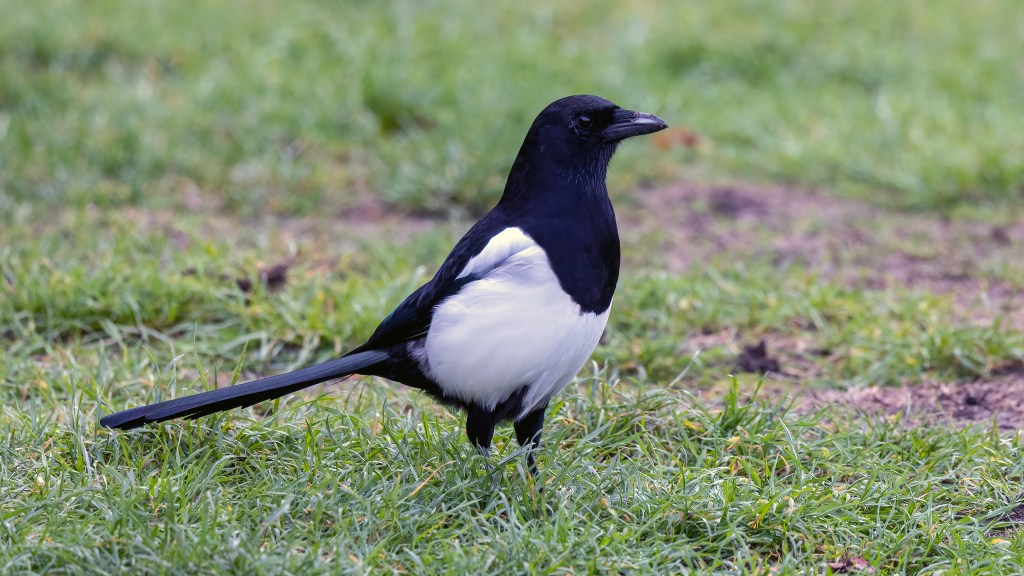
The Eurasian Magpie (Pica pica) is a black-and-white bird with a long, glossy green tail and metallic-blue wings that shimmer in strong light.

Physical Characteristics:
- The Eurasian Magpie has glossy black plumage with a metallic green and violet sheen.
- Its belly and scapular feathers are pure white.
- The graduated tail is black, glossed with green and reddish-purple.
- Females are slightly smaller than males.
- Young magpies lack the gloss on their sooty plumage and have pink malar regions and clear eyes. Also, their tail is shorter than that of adults.

Diet:
The Eurasian Magpie is an omnivore. Its diet includes:
- Insects
- Small mammals
- Bird eggs
- Carrion
- Fruits
- Seeds
- Nuts

Abundance and Distribution:
- The range of Eurasian Magpies extends across temperate Eurasia from Spain and Ireland in the west to the Kamchatka Peninsula in the east.
- They prefer open countryside with scattered trees and are often found near the center of cities.
- While most populations are sedentary, those living near the northern limit of their range (Sweden, Finland, and Russia) can move south during harsh weather.
- They breed in suburban areas, parks, and gardens.

IUCN Red List Status:
The Eurasian Magpie has an extremely large range, which prevents it from approaching the thresholds for Vulnerable status.
For more information, you can explore the IUCN Red List and learn about the conservation status of various species.

EURASIAN MAGPIE WAS LIFER #764

 Reflections of the Natural World
Leave a comment