
Western Europe Birds & Birding (#8/52): From the Highland Willow Scrub of Scotland to the Aegean Islands in the Sea of Crete, Western Europe is home to over 800 resident, migratory and vagrant birds. From songbirds to gamebirds and from waterfowl to raptors, you can find birds virtually in every nook and cranny of this beautiful area. *All images showcased in this blog series were taken and edited by me.
A Reflections of the Natural World Blog Post Series by Jim Gain
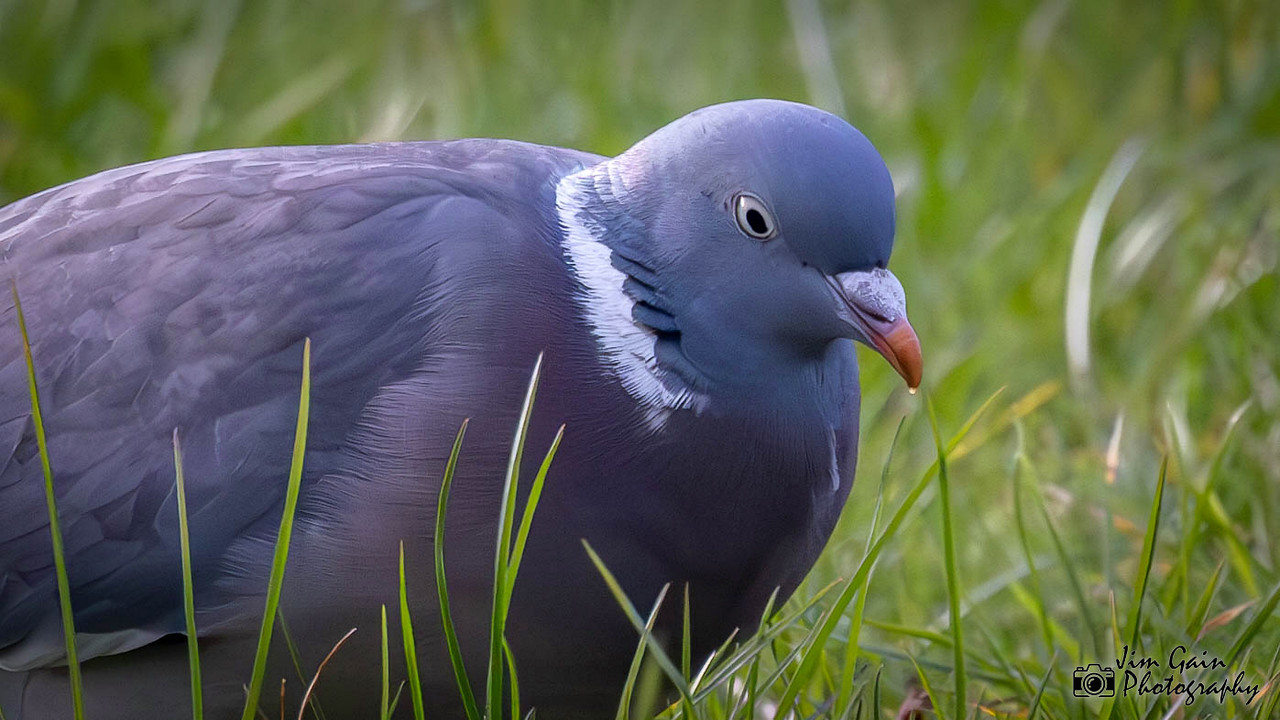
The Common Wood-Pigeon, scientifically known as Columba palumbus, is a large bird that is highly popular among bird enthusiasts for its distinctive physical features and behaviors.

Physical Characteristics:
The Common Wood-Pigeon is a sizable bird with a plump, round body and short neck. An adult wood pigeon can grow up to 40 centimeters with a wingspan of a maximum of 80 centimeters. They weigh around 300 to 600 grams. The bird is ornamented with stunning plumage that is mostly grayish-blue. During their flight, white patches on their neck and wings become visible. They have small, dark beaks and dark eyes. Additionally, their tail is decorated with a distinctive black and white striped pattern on their tail feathers, which is visible when they fan their tails.

Diet:
The Common Wood-Pigeon has a predominantly vegetarian diet consisting of leaves, seeds, berries, fruits, flowers, and root crops. Although they are mainly vegetarian, they’ll occasionally eat various invertebrates, including earthworms, slugs, spiders, and beetles. In the autumn, they also eat figs and acorns, and in winter, they consume buds of trees and bushes.

Abundance and Distribution:
Common Wood-Pigeons are found in Europe, Asia, and northern Africa. In the colder northern and eastern parts of Europe and western Asia, they are migrants, but in southern and western Europe, populations are often abundant residents. They inhabit deciduous or coniferous woodlands, shrubland, and cultivated areas. They are also commonly seen in parks, gardens, towns, and cities.

IUCN Red List Status:
According to the IUCN Red List, the total population size of the Common Wood-Pigeons is 51,000,000-73,000,000 mature individuals. Currently, this species is classified as Least Concern (LC) on the IUCN Red List, and its numbers today are increasing.

GREAT WAS LIFER # 760

Leave a Reply