

Learn 100 Common Valley Birds Blog Post Species #73/100
Few things on earth fill us with as much delight as birds, and knowing them by name only adds to our pleasure. In California’s Central Valley, with only a little bit of effort, anyone can learn 100 local bird species. Especially since on a daily basis Valley Residents come in contact with at least a dozen species that most recognize, but may not know the name of. The intent of this blog is for followers to learn about and be able to identify 100 common valley birds.
A Reflections of the Natural World Blog Post Series by Jim Gain

WHAT’S IN A NAME
Long-billed Curlew – Numenius americanus
Name Roots: (Greek. neos, “new”; mene, “moon” – of America)

PHYSICAL CHARACTERISTICS
The Long-billed Curlew is North America’s largest shorebird, measuring from 18 to 26 inches in height and having a wingspan of 24.4 to 35 inches. It has a long, decurved bill that is diagnostic of this species, and its body plumage is rich buff throughout tinged with cinnamon or pink, and with upperparts streaked and barred with dark brown. The bird’s legs and feet are bluish-gray, and the feet have webbed front toes. The sexes are similar in appearance, but females average slightly larger than males.


AN INTERESTING OR UNUSUAL FACT
The Long-billed Curlew’s genus name, Numenius, is derived from the Greek word “noumenios,” which means “of the new moon.” This name was given because their long, curved bills were thought to resemble a sickle-shaped new moon. This bird’s lengthy bills, which are longest in females, have also inspired some interesting folk names such as “sicklebird,” “old smoker,” and “candlestick bird”.

DISTRIBUTION STATUS IN THE CENTRAL VALLEY
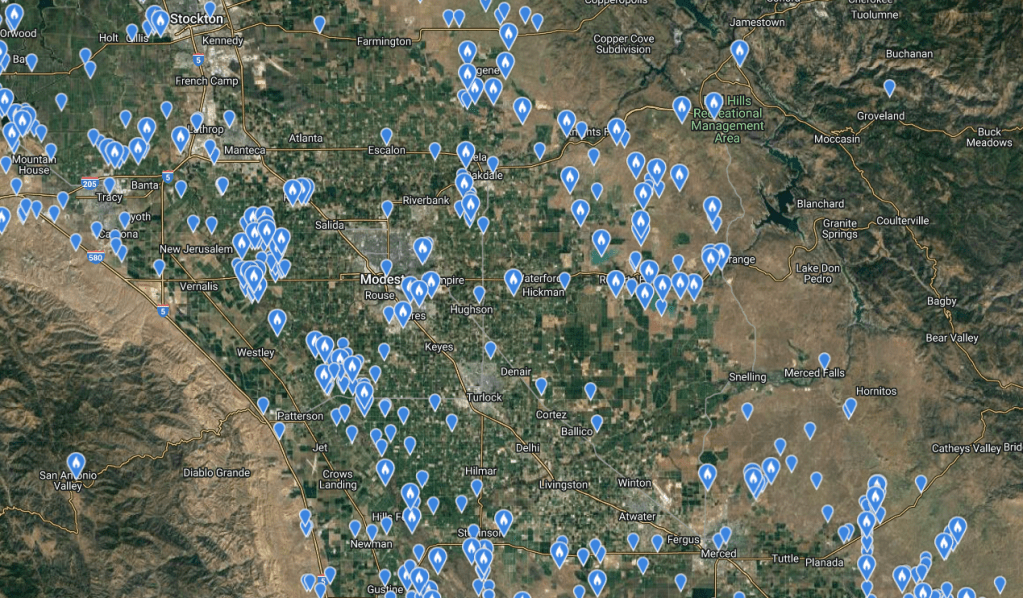
The Long-billed Curlew is a Fairly Common Winter Visitor in California’s Central Valley and can be found in Freshwater Wetlands, Flooded Fields and Grasslands.
eBird Bar Charts & Map Grid

Previous Learn 100 Common Valley Birds Posts


 Reflections of the Natural World
Leave a reply to cabanisi Cancel reply