Saskatchewan Birds – Oiseaux in the Land of Living Skies – Post #15
Saskatchewan’s slogan, “The Land of Living Skies” could refer as much to its magnificent birdlife as it does to its awe-inspiring Northern Lights and spectacular thunderstorms experienced there. This centrally located Canadian Province’s “Land of Living Skies” is home to over 400 recorded oiseaux (Fr. bird) species. Using my personal photographs in a blog post format, viewers will learn about the natural history and conservation status of these interesting birds in the Land of Living Skies!
A Reflections of the Natural World Blog Post Series by Jim Gain

WHAT’S IN A NAME
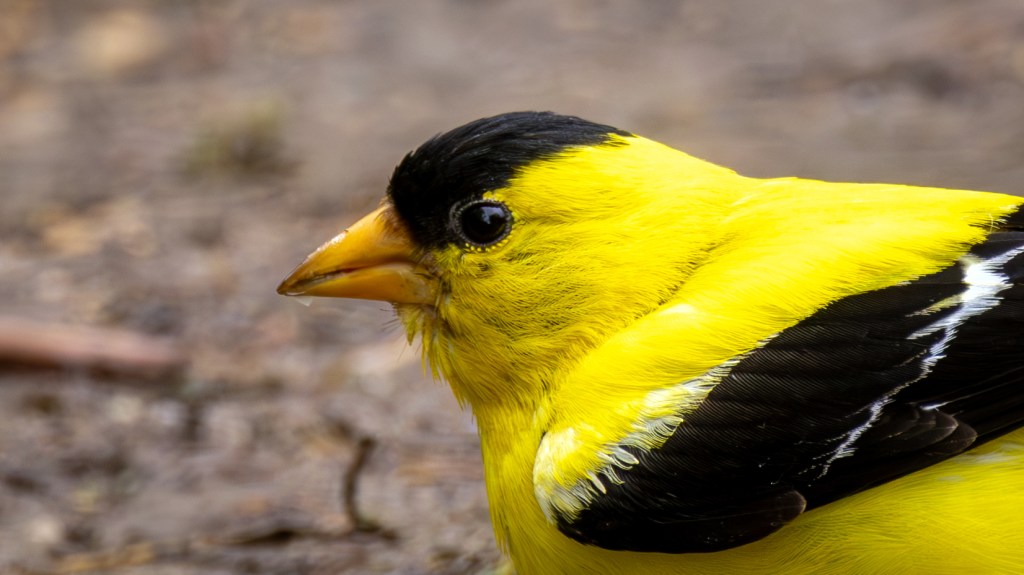
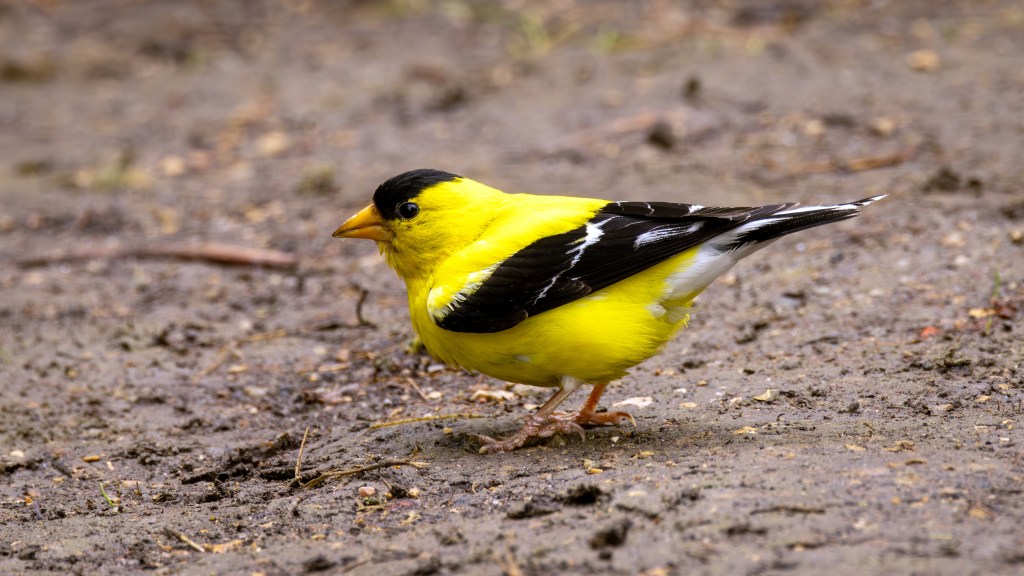
American Goldfinch – Spinus tristis
Name roots: (Gr. spinos unidentified bird, usually treated as a type of finch; L. tristis, “sad”)
PHYSICAL CHARACTERISTICS
The American Goldfinch is a small bird that measures 4.3 to 5 inches in length and has a wingspan of 7.5 to 8.7 inches. The male’s breeding plumage is bright yellow with a black forehead, wings and tail. In winter the brilliant yellow is replace by a much duller olive-yellow. The female is a dull yellow-brown tint that only slightly brightens during the summer. The bird’s bill is short and conical.

DISTRIBUTION & OCCURENCE IN THE LAND OF LIVING SKIES
American Goldfinches are seen in southern Saskatchewan during the breeding season and are mainly spotted from May to September. They prefer open country where weeds thrive, such as fields, meadows, flood plains, as well as roadsides, orchards, and gardens. They may also be found in open deciduous and riparian woodlands and areas of secondary growth.

eBird Bar Charts


CONSERVATION STATUS – International Union for Conservation of Nature (IUCN) Red List Category
The American Goldfinch is classified as Least Concern by the IUCN.
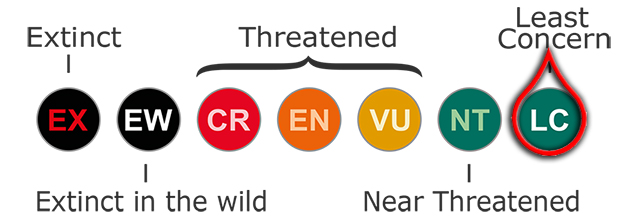
Redlist Classification Justification: This species has an extremely large range, the population trend appears to be increasing, and the population size is extremely large. For these reasons the species is evaluated as Least Concern.

 Reflections of the Natural World
Leave a comment