
Shorebirds and Seabirds of the Central California Coastline – Blog Series Post #2
From its rocky shoreline to the depths of the great Monterey Canyon, the Central California coastline and its offshore waters are home to a diverse array of interesting birds. Its habitat diversity and famous coastal cold-water upwelling currents are the secret to its exceptional avian population. In each blog post followers will enjoy my high-quality photographs while learning about the natural history of these interesting birds.
A Reflections of the Natural World Blog Post Series by Jim Gain
WHAT’S IN A NAME
Pacific Loon – Gavia pacifica
L. gavia unidentified seabird; L. pacificus peaceful
PHYSICAL CHARACTERISTICS
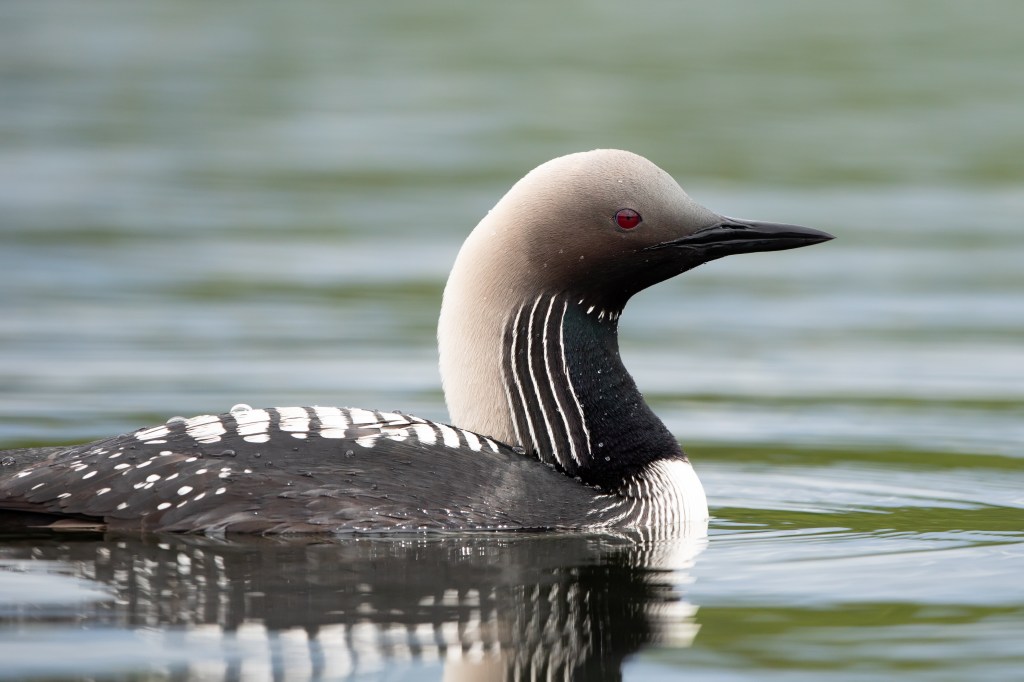
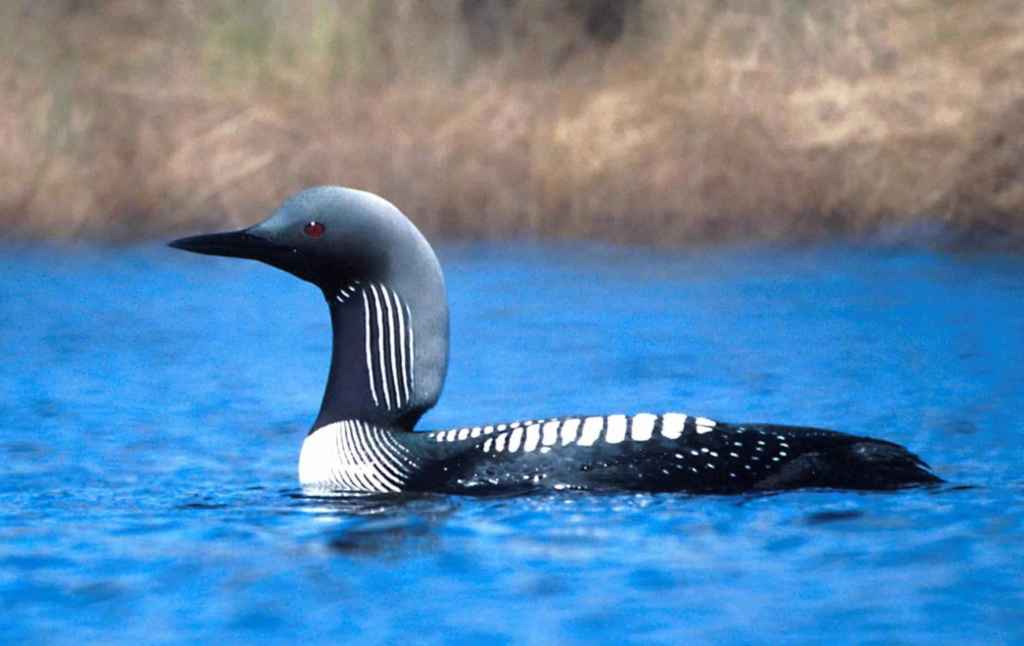
The Pacific Loon is a striking waterbird with distinct physical characteristics. They have a grey head, black throat, white underparts and chequered black-and-white mantle. The black throat has purple reflections. Its bill is pointed and black, and its eyes are red, adding to its striking appearance.
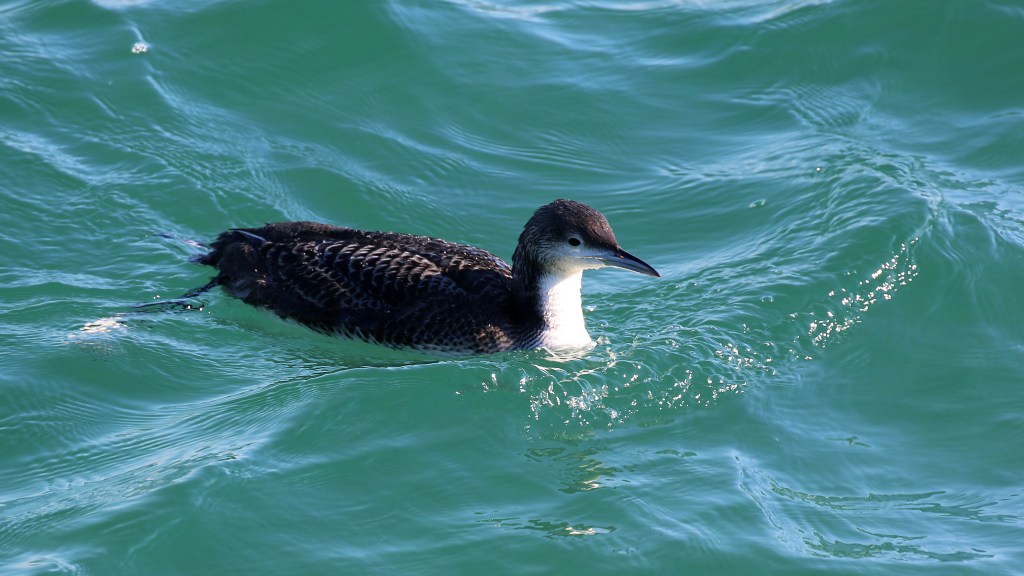
In its non-breeding plumage, the Pacific Loon takes on a more subdued appearance, with a grayish head and neck and a white throat and underparts.
The Pacific Loon is a captivating waterbird with a distinctive natural history. These birds breed in the Arctic tundra of North America and Eurasia and are known for their haunting calls and striking black-and-white breeding plumage. During the breeding season, they nest near freshwater lakes and ponds. One interesting fact is their remarkable ability to dive deeply while foraging; they can submerge to depths of up to 200 feet (60 meters) in pursuit of fish, their primary food source. Additionally, Pacific Loons undertake long-distance migrations, traveling from their Arctic breeding grounds to winter along the coastlines of North America and Asia.

HABITAT MOST LIKELY TO BE ENCOUNTERED
Usually found close to shore and in bays and lagoons.


 Reflections of the Natural World
Leave a comment