
SIERRA NEVADA BIRDS – FEATHERS IN THE RANGE OF LIGHT Blog Post #11
California’s “Range of Light” is home to a diverse array of both colorful and cryptic birds (the feathers). It is my intent to use my passion for birds and photography to paint a story about 120 of the most common or most sought-after Sierra Nevada (Range of Light) birds by most nature enthusiasts.
Sierra Nevada Birds – Feathers in the Range of Light is a Reflections of the Natural World Blog Post Series by Jim Gain

WHAT’S IN A NAME
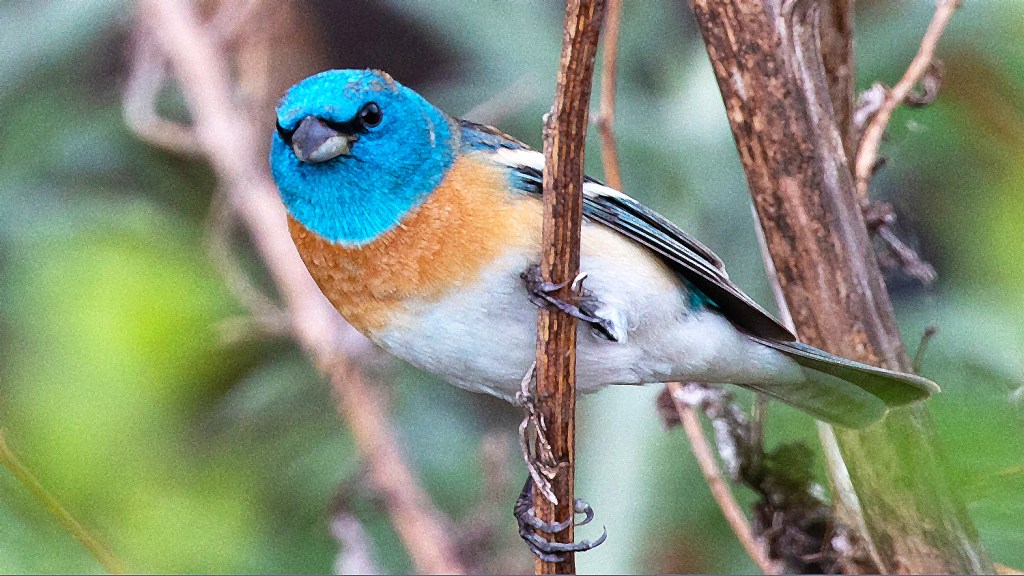
Lazuli Bunting – Passerina amoena
Name Roots: (L. passerina, “sparrow-like” – amoena, “lovely”)

PHYSICAL CHARACTERISTICS
The Lazuli Bunting males in breeding plumage have bright blue on head, nape, back, and rump; cinnamon or rust band extending across upper breast and down flanks; white underparts; wing and tail feathers black with blue edges; 2 conspicuous white wing-bars; upper mandible black, lower mandible light blue. Yearling males tend to have paler and duller blue feathers with brown or buff tips, especially on head, nape, and back, resulting in dull blue-brown, blotchy appearance.

DISTRIBUTION & OCCURRENCE IN THE SIERRA NEVADA
The Lazuli Bunting is a Fairly Common Summer Visitor of the Sierra Nevada in the Foothill Woodland & Lower Montane Chaparral biotic zones.


CONSERVATION STATUS – IUCN Red List Category

The Lazuli Bunting is classified as Least Concern by the IUCN.
Redlist Classification Justification: This species has an extremely large range, the population trend appears to be increasing, and the population size is extremely large. For these reasons the species is evaluated as Least Concern. (DataZone LABU Link)
PLAYING WITH PHOTOSHOP – Dry Brush Filter


 Reflections of the Natural World
Leave a comment