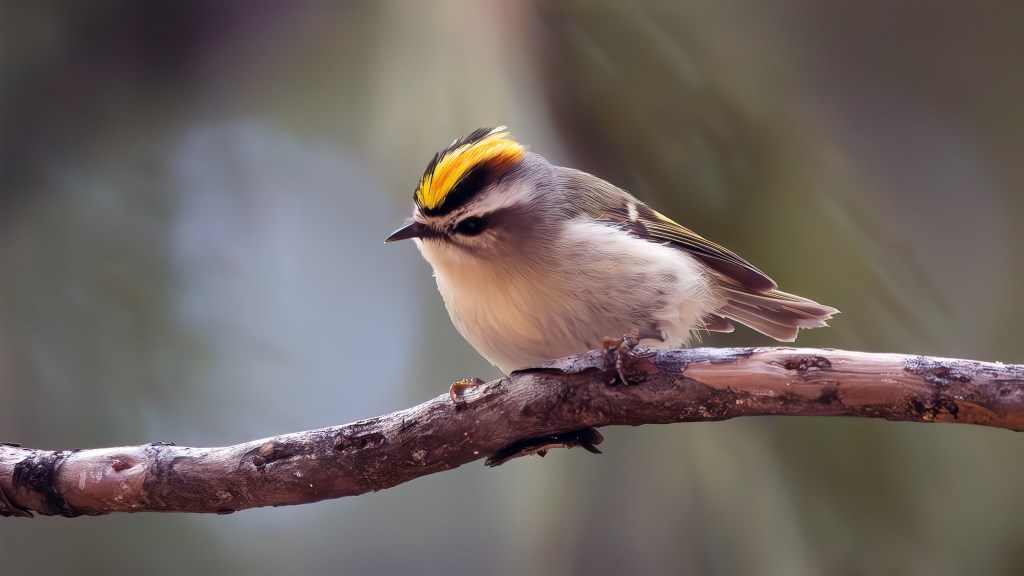

SIERRA NEVADA BIRDS – FEATHERS IN THE RANGE OF LIGHT Blog Post #2
California’s “Range of Light” is home to a diverse array of both colorful and cryptic birds (the feathers). It is my intent to use my passion for birds and photography to paint a story about 120 of the most common or most sought-after Sierra Nevada (Range of Light) birds by most nature enthusiasts.
Sierra Nevada Birds – Feathers in the Range of Light is a Reflections of the Natural World Blog Post Series by Jim Gain
WHAT’S IN A NAME
- Scientific Name: Regulus satrapa
- Family: Regulidae
- Conservation Status: IUCN Red List species of “Least Concern”
- Occurrence, Residency and Breeding Status: Common Year-Round Resident and regular breeder
- Favored Biotic Zone(s): Lower and Upper Montane Zones
ABOUT THIS SPECIES

The Golden-crowned Kinglet (Regulus satrapa) is a small, active bird that is commonly found in the Sierra Nevada mountain range of California. This species is migratory, and its range extends from Alaska to the southernmost regions of the United States. The Golden-crowned Kinglet is a primarily insectivorous bird, and it feeds on a wide variety of insects, including spiders, flies, and beetles. This bird is also known to consume small fruits and seeds, particularly during the winter months when insects are scarce.

In terms of habitat preferences, the Golden-crowned Kinglet is typically found in coniferous forests, particularly those dominated by fir and spruce trees. These birds are adapted to living in cold environments and can withstand temperatures well below freezing. They often occupy the upper branches of trees, foraging in small groups and flitting about from branch to branch in search of food.

One interesting behavior of the Golden-crowned Kinglet is its habit of puffing up its feathers to trap warm air and retain heat, which helps the bird to survive in cold environments. This species is also known for its high-pitched, trilling song, which can be heard throughout its range.
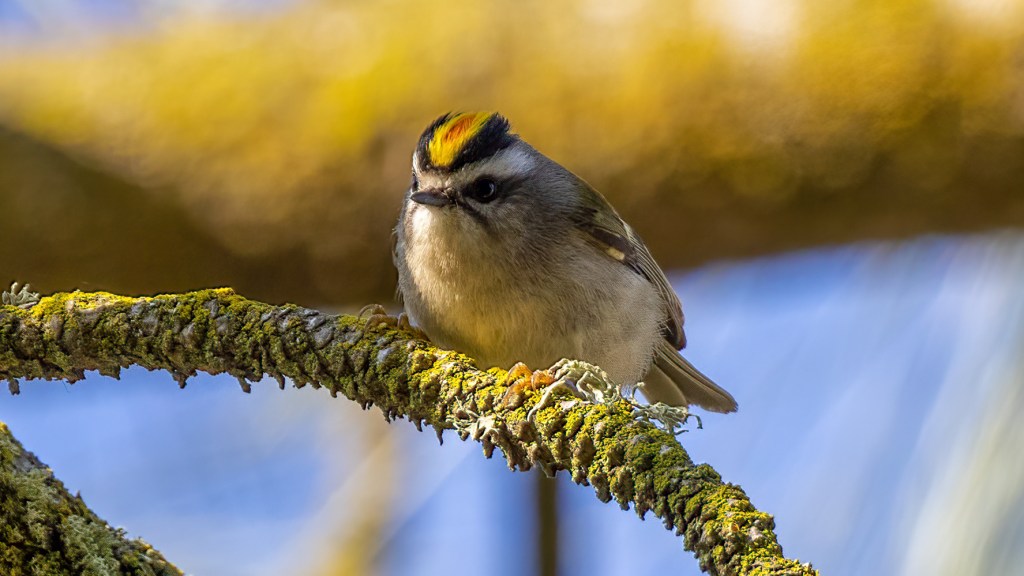
In terms of nesting, the Golden-crowned Kinglet builds its nest in coniferous trees, typically in the upper branches. The nest is constructed from moss, lichens, and spider webs, and is lined with soft materials such as feathers and animal hair. This bird typically lays between 5 and 12 eggs, which are incubated by both parents for about two weeks.
Please visit my Beautiful Birds of the Sierra Nevada Blog Site for more Sierra Nevada Birds blog posts:
Previous Posts below:

 Reflections of the Natural World
Leave a comment