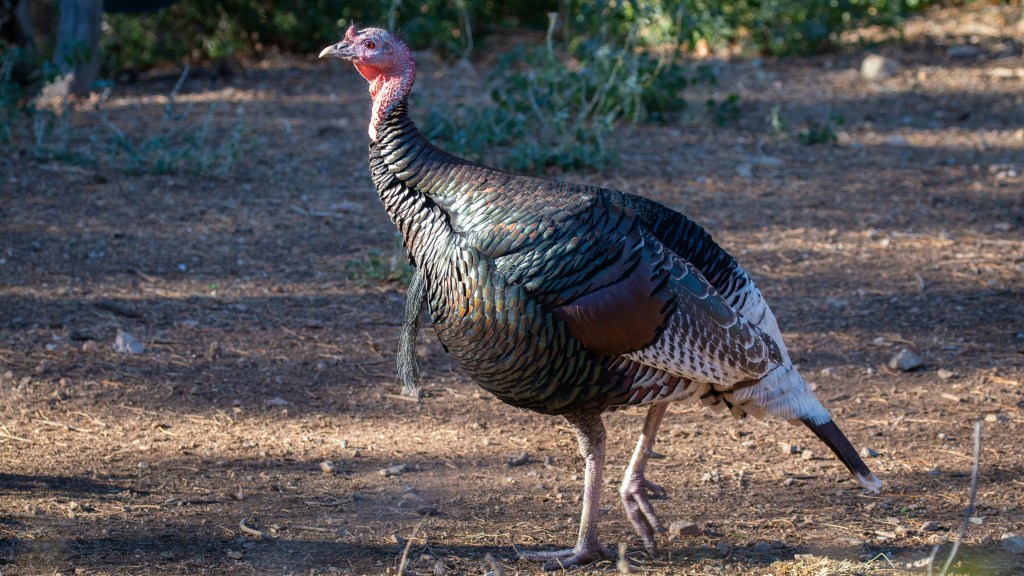
Meleagris gallopavo
By Jim Gain

Learn 100 Common Valley Birds is a photo blog series highlighting the 100 most common Valley bird species.
Post #14 in the Learn 100 Common Valley Birds series. (Species 19/100.)
INTRODUCTION
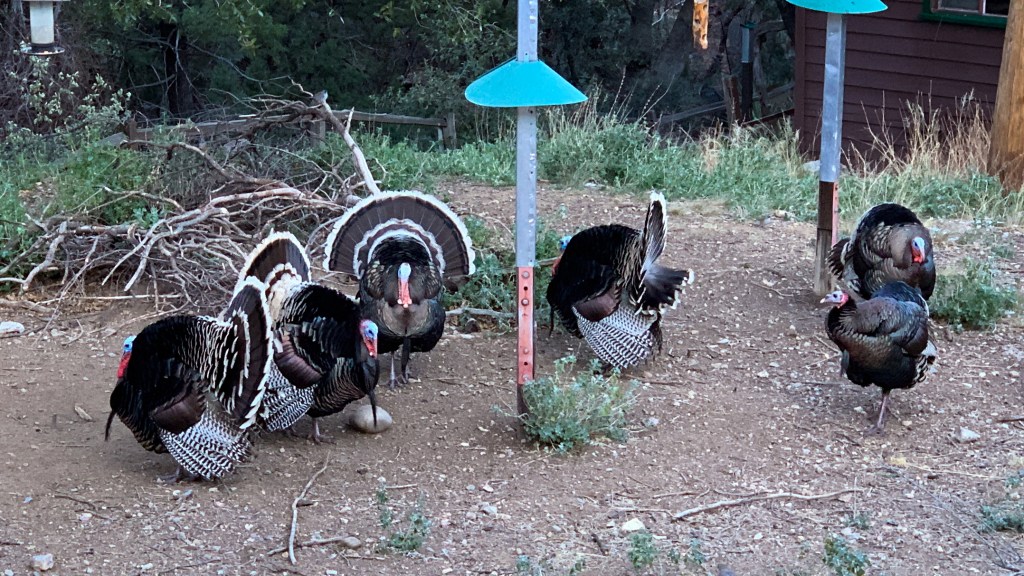
The Wild Turkey (Meleagris gallopavo) is the heaviest upland ground bird native to North America. It is the ancestor to the domestic turkey, which was originally derived from a southern Mexican subspecies of wild turkey. With the population steadily increasing over the past decade, Wild Turkey is an Uncommon to Fairly Common Resident with higher numbers found in the foothills than on the valley floor.
THANKSGIVING DINNER?
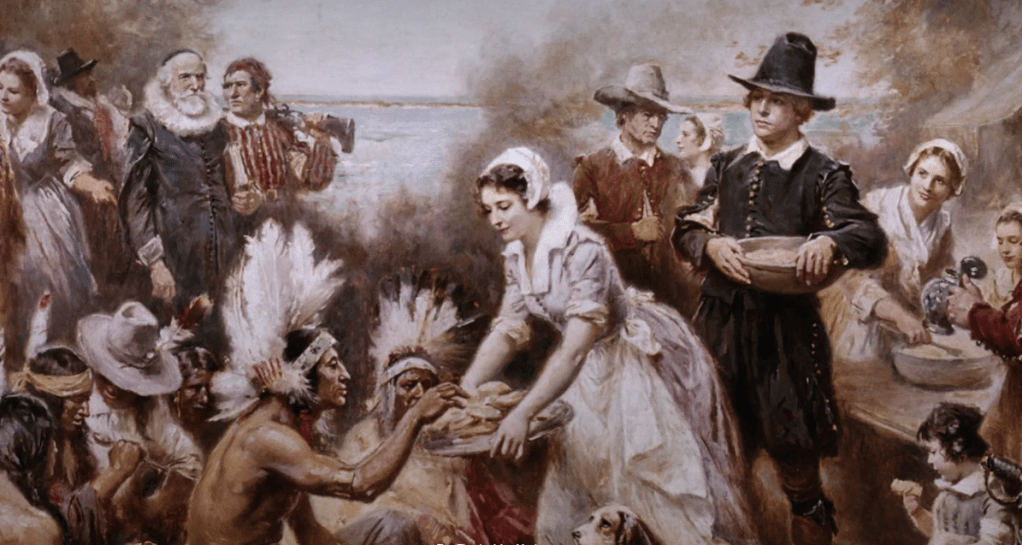
There’s a good chance the Pilgrims and Wampanoag did in fact eat turkey as part of that very first Thanksgiving. Wild turkey was a common food source for people who settled Plymouth. In the days prior to the celebration, the colony’s governor sent four men to go “fowling”—that is, to hunt for birds. Did they come back with any turkey? We don’t know for sure, but probably. At the very least, we know there was a lot of meat, since the native Wampanoag people who celebrated with the Pilgrims added five deer to the menu. (First Thanksgiving Meal)
WILD TURKEY IMMIGRATION TO CALIFORNIA
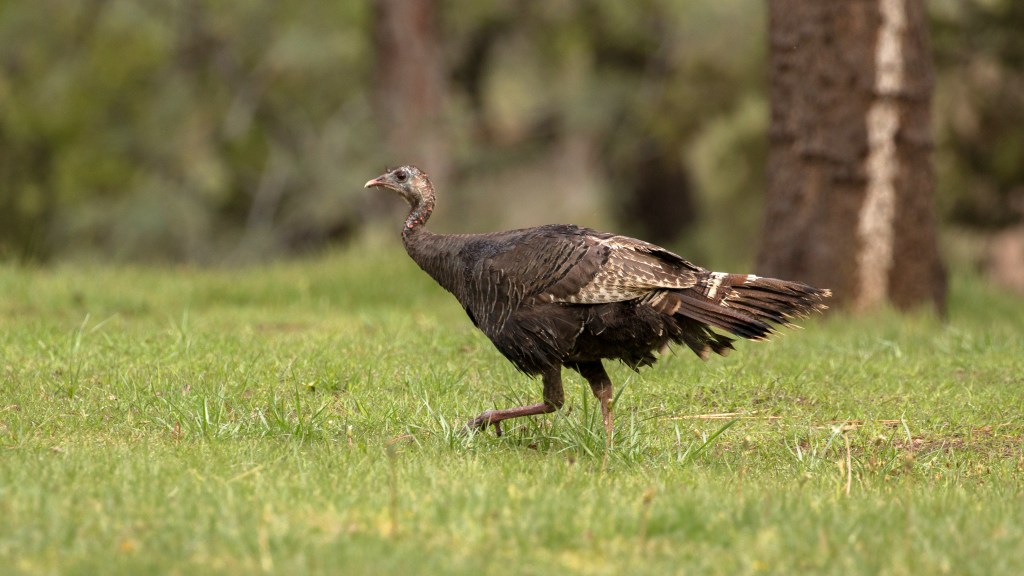
The Wild Turkey is not native to the Central Valley of California. It was introduced from the 1950s through the end of the twentieth century by the California Fish and Game Commission (now the California Department of Fish and Wildlife Fish & Wildlife imported thousands of non-native Rio Grande wild turkeys to California, releasing them in over 200 locations throughout the state. The turkeys quickly adapted and can now be found living everywhere from oak savannas to the suburbs.
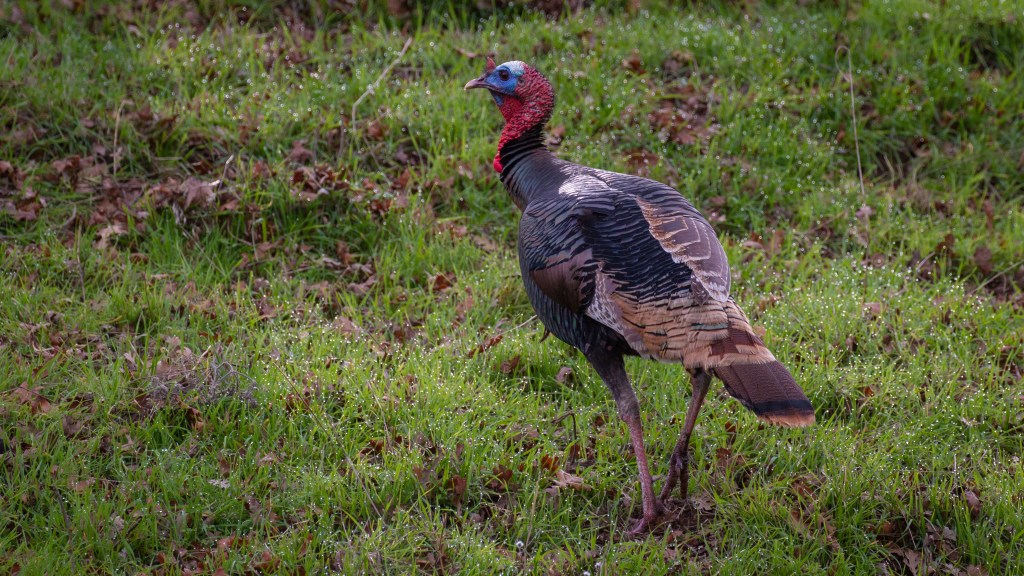
A couple of local spots to find Wild Turkeys would be Henderson Park in Merced County, in the upper foothills of Del Puerto Canyon in Stanislaus County and the Mokelumne River Day Use Area in San Joaquin County.
TWO TURKEYS
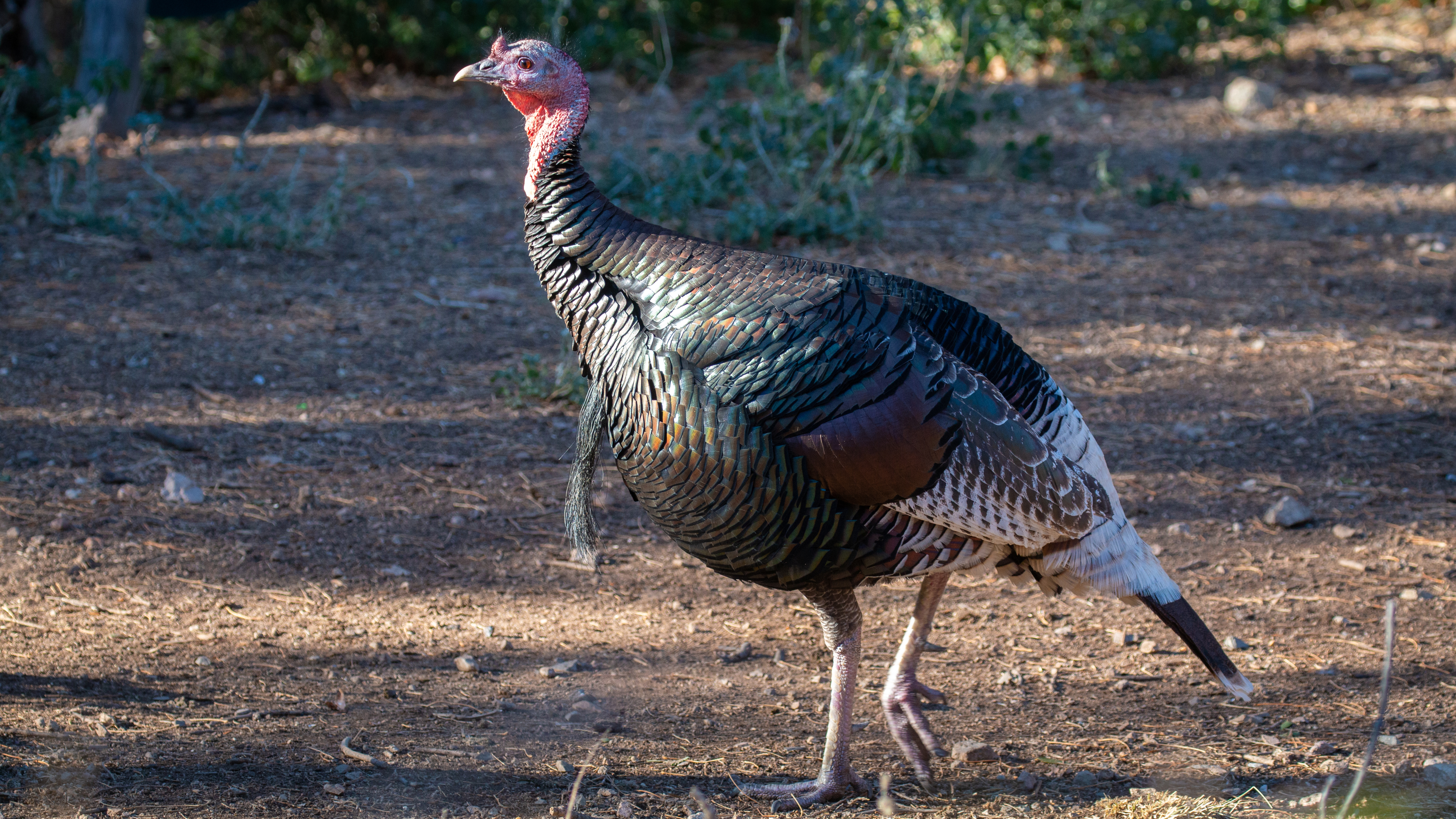
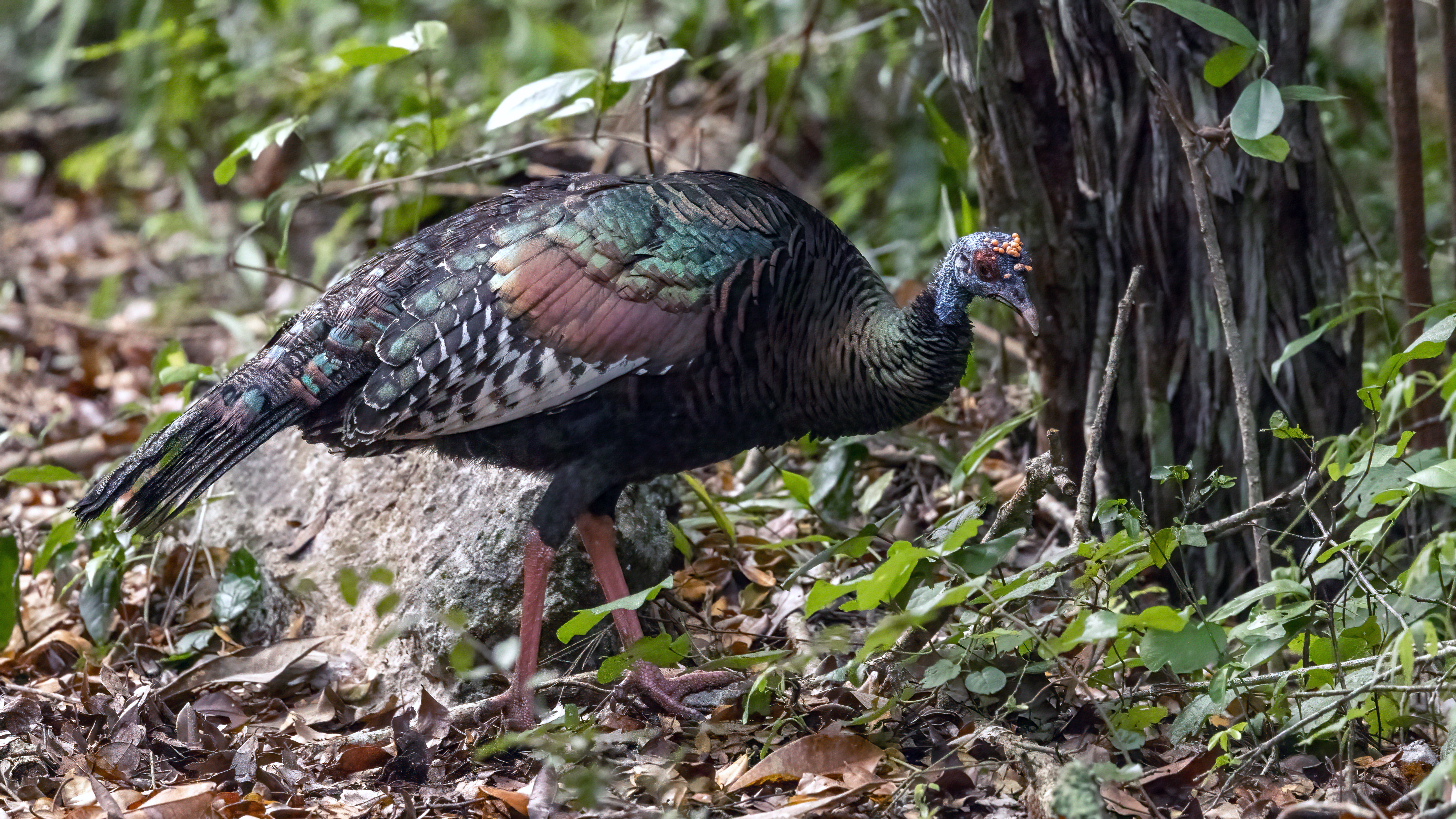
In addition to the Wild Turkey, the only other member of the Meleagris genus in the world is the Ocellated Turkey of the Yucatan Peninsula.
COOL FACT:
When they need to, Turkeys can swim by tucking their wings in close, spreading their tails, and kicking.
Previous posts from the Learn 100 Common Valley Birds series,
- Northern Pintail
- Say’s Phoebe
- Cinnamon Teal
- Phainopepla
- Sandhill Crane
- Song Sparrow
- Northern Harrier
- Pied-billed Grebe
- Horned Lark
- Northern Shoveler
- White-crowned Sparrow
- Turkey Vulture
- Cedar Waxwing
- Ring-necked Duck
- California Towhee
- House Finch
- Double-crested Cormorant (CVB)
- American Pipit (CVB)
- Fox Sparrow (CVB)
- White-faced Ibis (CVB)
- Long-billed Curlew (CVB)
- American Crow (CVB)
- Greater White-fronted Goose (CVB)
- Osprey (CVB)
- Common Raven (CVB)
- Yellow-rumped Warbler (CVB)
- Great Blue Heron (CVB)
- Black-necked Stilt (CVB)
- Red-shouldered Hawk (CVB)


 Reflections of the Natural World
Leave a reply to Richard Brown Cancel reply