

HAIKU – Nature’s Reflections
At the simplist level, a Haiku is an unrhymed, 17 syllable (5-7-5) poem about nature. However, at its core, there is more involved here beyond the basic pattern that we learned as children. While Haiku deals mostly with visuals, it tells little, so the reader takes an active role, also becoming subject and object.

HISTORY OF HAIKU
The history of haiku is complex, with origins in 13th century Japan and a gradual development into the stand-alone poem we know today:
Origins. Haiku originated as the opening stanza, or hokku, of a longer poem called renga. Renga was a collaborative poem written by multiple poets, with each poet alternating sections. The hokku was the first stanza, and it set the tone of the poem by mentioning the season, time of day, and/or landscape. The term “haiku” was given to the hokku in the late 19th century by Japanese writer Masaoka Shiki. Haiku began to spread outside of Japan in the 19th century, first to France and the Netherlands, and then to North America. In the English-speaking world, the form was popularized by Imagists like Ezra Pound and Beat poets like Allen Ginsberg.

WHAT MAKES A HAIKU?
A haiku is an unrhymed poetic form consisting of 17 syllables arranged in three lines of 5, 7, and 5 syllables respectively, about things that make the reader feel connected to nature. The Haiku Society of America states, ”A haiku is a short poem that uses imagistic language to convey the essence of an experience of nature or the season intuitively linked to the human condition.”

While at the simplist level a Haiku is an unrhymed, 17 syllable (5-7-5) poem about nature, however at its core, there is more involved here beyond the basic pattern that we learned as children. While Haiku deals mostly with visuals, it tells little, so the reader takes an active role, also becoming subject and object.
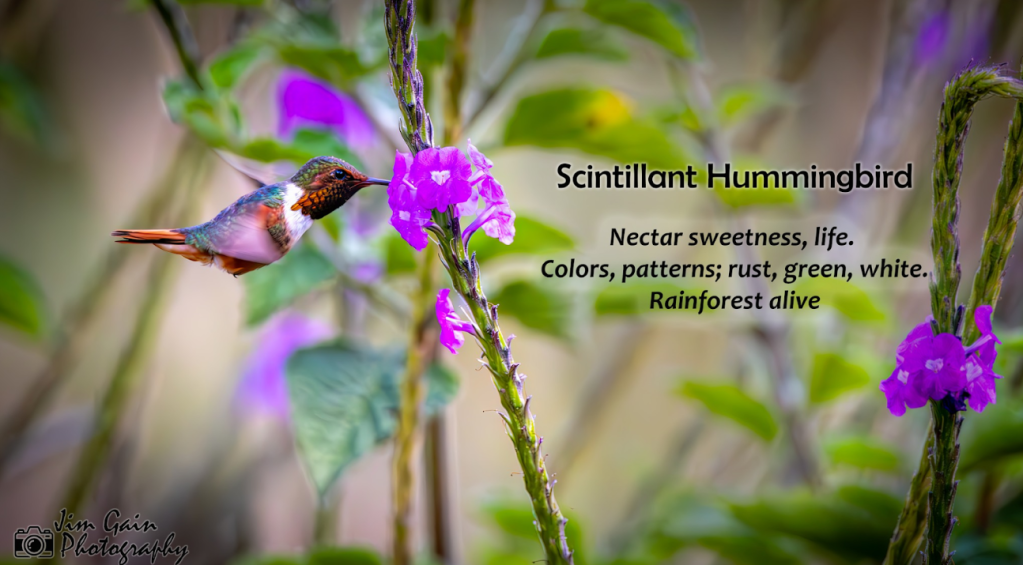
The best haiku have always pushed boundaries and reached for something deeper than words themselves. Despite this, they’re easy to start writing and enjoyable to read. Why not try writing haiku yourself? Head outside, open your eyes, and write. If you like it, try to incorporate more of the rules. Think of the season. Pull yourself out of the scene. And be true to what you feel in the moment.
Most recent Haiku posts using my photographs:


 Reflections of the Natural World