
Central Valley Birds and Birding Blog Post Series
Few things on earth fill us with as much delight as the winged creatures we call birds. Over 300 wild bird species either live in or pass through California’s Central Vally on a regular basis. The intent of this blog is to ignite a spark of curiosity in our followers that motivates them to learn more about these wild inhabitants and the environs they frequent. Curiosity leads to inquiry, Inquiry leads to visitation, Visitation leads to caring and Caring leads to Conservation
A Reflections of the Natural World Blog Post Series hosted by Jim Gain
“No One Will Protect What They Don’t Care About;
Sir David Attenborough
And No One Will Care About What They Have Never Experienced”
Wildlife and nature conservation blogs provide an outlet for the curious to learn about and explore the wild areas of Planet Earth as shared through the personal experiences provided by our local Audubon Chapter Bloggers. Kate on Conservation emphasizes that the sharing of these stories of wildlife and nature is a vital part of inviting those outside of the conservation world to experience the moments of wonder and inspiration that continue to move us to protect it.


3 Most recent CV Birds posts below:
- American Barn Owl
 “One Moment in Nature” reflects on discovery in natural settings, aiming to inspire readers to advocate for environmental conservation. The series features the American Barn Owl, detailing its physical traits, habitat in California’s Central Valley, and behavioral patterns. Despite being of least concern, regional population stability is influenced by land use and pesticides.
 - One Good Tern Deserves Another Forster’s Tern
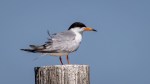 One Moment in Nature reflects on the author’s exploration of the natural world, aiming to inspire readers to advocate for environmental conservation. Highlighting the Forster’s Tern’s breeding at Turlock Lake, the post details the tern’s characteristics, distribution, and challenges amidst California’s changing wetlands, emphasizing its importance in the ecosystem.
 - An Alternate Eared Grebe
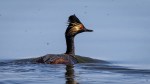 “One Moment in Nature” emphasizes the importance of environmental awareness through the exploration of the Eared Grebe, a widely distributed bird. It discusses naming conventions, habitat preferences, physical characteristics, and conservation status, encouraging readers to become passionate advocates for nature and conservation efforts amidst threats like wetland loss.
 - A Rose-bellied Lewis’s Woodpecker
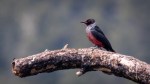 “One Moment in Nature” reflects on a past experience of discovering the Lewis’s Woodpecker in Stanislaus County. The author hopes to inspire conservation advocacy through such observations. The woodpecker, though uncommon in California’s Central Valley, exhibits unique behaviors and faces habitat-related challenges, highlighting the need for awareness and appreciation of nature.
 - Vesper Sparrow – The bird that makes her bed in the grass
 One Moment in Nature reflects Jim Gain’s discoveries in nature, inspiring readers to advocate for conservation. He recounts a challenging experience spotting Vesper Sparrows in Stanislaus County, describing their physical traits, habitat, and unique song. Despite their decline in breeding populations due to habitat loss, they remain a least concern species.

 Reflections of the Natural World