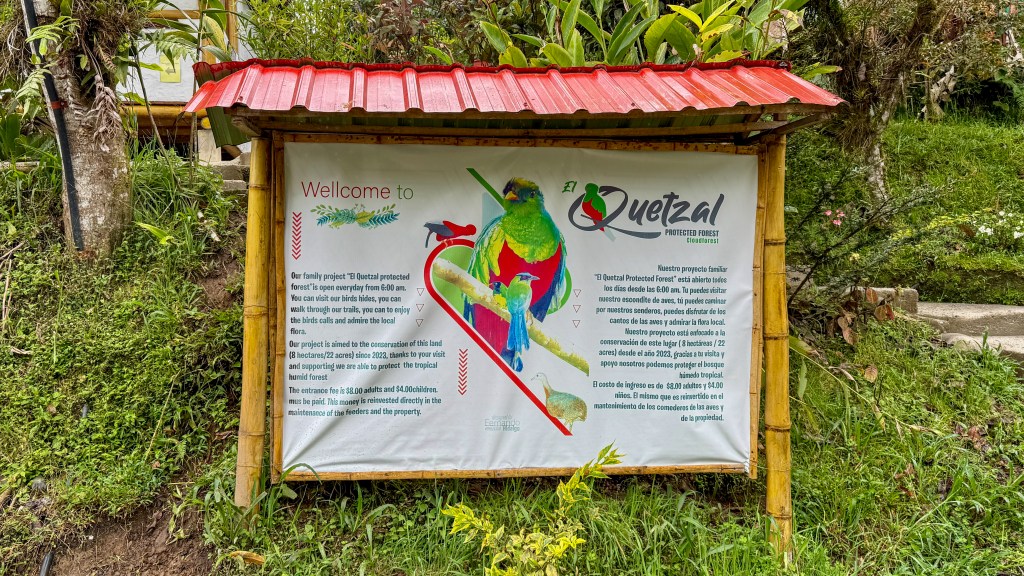
Synopsis: An afternoon walk through El Quetzal revealed a calmer, more contemplative side of the forest, where understated songbirds and familiar species offered quiet beauty and character before the journey carried us onward toward new habitats and fresh surprises.

Ecuador Birding – Where Every Feather Tells a Story
From October 26, 2025 through November 8, 2025 I joined 5 other adventurers and an outstanding photographer and birding guide (Liron Gertsman) with Eagle-Eye Tours to Ecuador. This blog series highlights the animals (mostly birds), people and locations we encountered over the 14 full days in this beautiful land.
A Reflections of the Natural World Blog Post Series by Jim Gain
**Due to the high resolution and quality of the images in this blog series it is highly recommended
that readers view posts in Landscape Mode on a desktop PC from the actual blogsite at Ecuador Birding**
DAY 8 – Mid-Morning
By early afternoon, the forest’s tempo began to change around us.

After lunch, the forest shifted. The frenetic energy of the hummingbirds softened, replaced by the quieter, more deliberate movements of the songbirds that inhabit the deeper understory and midstory layers. The light mellowed, the air cooled, and the forest seemed to breathe in a slower rhythm as we continued along the trail.
A quick flick of motion at the clearing’s boundary signaled the next arrival.

A Lemon-browed Flycatcher was the first to appear, working the edges of the clearing with crisp, confident sallies. Its bright yellow eyebrow glowed against olive plumage, giving it a perpetually alert expression as it snapped up insects with practiced precision. When it perched, it flicked its wings with a brisk, businesslike energy, as if always ready for the next opportunity.
Then, with a confident push from the shadows, a richer, heavier shape stepped into the open as if claiming the moment for itself.

In the shadows, a Chestnut-bellied Thrush stepped into view—richly colored, contemplative, and far more elegant than its understated name suggests. Its deep chestnut underparts seemed to absorb the dim light, giving the bird a warm, earthy presence amid the cool understory. It moved with a quiet, deliberate grace, pausing often to tilt its head and listen for movement beneath the leaf litter.
The next visitor appeared all at once yet almost silently, materializing at the fruit station as if it had been there the whole time.

From a sunlit perch, a female White-lined Tanager offered a softer kind of contrast—her warm, cinnamon‑brown plumage glowing gently where the light touched it. The pale edging on her wings and tail created delicate highlights, giving her a quietly refined elegance compared to her more boldly marked mate. Her sharp, insistent calls carried through the clearing, adding a bright, rhythmic thread to the forest’s afternoon hush.
The next arrival needed no introduction, hopping boldly into the open as if stepping onto a stage.

A Rufous-collared Sparrow soon hopped into the open and, despite being one of the most common birds across the Andes, put on a show that stopped everyone in their tracks. Its bold rufous collar and crisp facial stripes glowed in the afternoon light, giving the bird a surprisingly dapper appearance for such a familiar species. It sang with theatrical enthusiasm—head thrown back, chest puffed out—delivering a performance so spirited it felt as though it were auditioning for the role of the forest’s unofficial ambassador.
After a final sweep of color and movement, the forest seemed ready to release us back to the road.

Together, these species painted a different side of El Quetzal—less frenetic than the hummingbirds, but equally rich in character and presence.
By the time we stepped back onto the road, the forest had offered a full spectrum of color, sound, and movement. The dense green of El Quetzal Bosque Protegido slowly receded behind us as we continued our journey, the winding route leading us toward our next destination along Borja Road and ending up at Rio Quijos, where new habitats—and a fresh set of surprises—waited just around the bend.
NEXT UP: EB#47 “Ascending Into Mist and Mountain Air at Río Quijos EcoLodge”
Additional Photographs


Previous Ecuador Birding Blog Posts:
- EB46 – El Quetzal Bosque Protegido: Songbirds of the Afternoon
 An afternoon walk through El Quetzal revealed a calmer, more contemplative side of the forest, where understated songbirds and familiar species offered quiet beauty and character before the journey carried us onward toward new habitats and fresh surprises. This blog series chronicles Jim Gain’s experiences with a birding tour in Ecuador.
 - EB45 – Midday Birding Adventures in the El Quetzal Protected ForestEl Quetzal Bosque Protegido unfolded as a lush, hummingbird‑filled sanctuary where the cloudforest’s color, motion, and quiet magic set the stage for a vibrant midday interlude before the forest shifted toward an entirely new cast of characters. This blog series chronicles Jim Gain’s experiences with a birding tour in Ecuador.
- EB44 – Warm Light in a Cool World: The Cinnamon Flycatcher of San Isidro
 A gentle, steady presence in the cloudforest, the Cinnamon Flycatcher became the quiet emblem of renewal—its warm glow and unhurried grace mirroring the author’s own return to clarity and grounding. This blog series chronicles Jim Gain’s experiences with a birding tour in Ecuador.
 - EB43 – A New Day of Luck and Light at Cabañas San Isidro
 After days of illness and frustration, a clear morning at San Isidro brought a surge of color, energy, and photographic inspiration, marking a joyful return to presence and purpose as the journey moved forward toward new wonders. This blog series chronicles Jim Gain’s experiences with a birding tour in Ecuador.
 - EB42 – The Day the Photos Disappeared at Cabañas San Isidro
 A day defined by illness, small mistakes, and the devastating loss of an entire set of photos ultimately became a story of resilience, perspective, and the quiet grace of getting a second chance in the Andes. This blog series chronicles Jim Gain’s experiences with a birding tour in Ecuador.
 - EB41 – Same Jay, New World: Discovering the Inca Green Jay of Ecuador
 A familiar species seen across the Americas becomes something astonishingly new in the Andes, where the “Inca” Green Jay reveals a deeper, richer, and more dramatic expression of a bird I thought I already knew. This blog series chronicles Jim Gain’s experiences with a birding tour in Ecuador.

>>Ecuador Birding Blog Home Page Link https://reflectionsofthenaturalworld.com/ecuador-birding/
*This Ecuador Birding blog post was shaped and polished with the assistance of Microsoft Copilot, helping bring clarity and a consistent flow to my field notes and dictated memories.
**Unless otherwise indicated in the image caption, all photographs (>99%) are mine.

 Reflections of the Natural World
Leave a comment