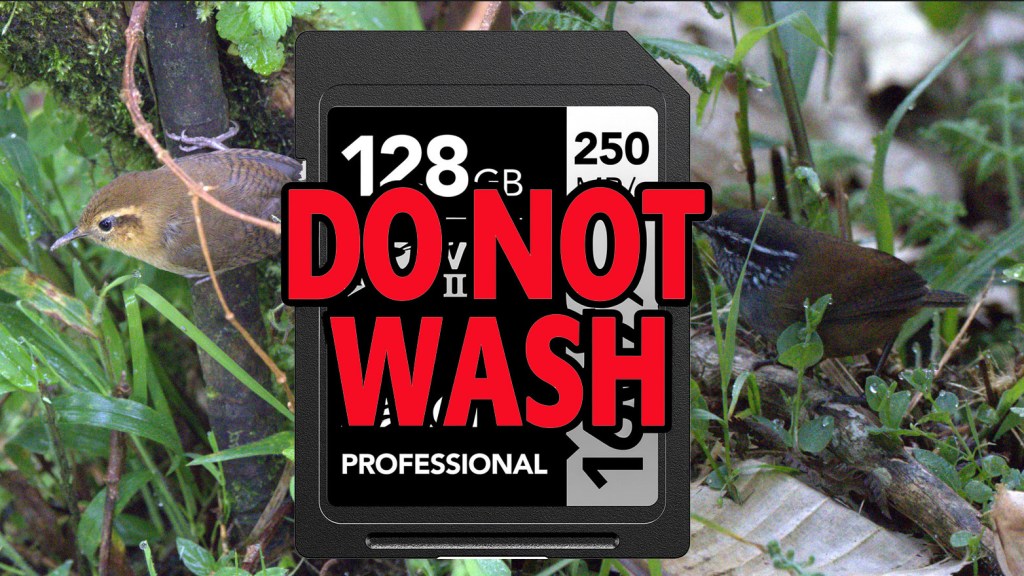
Sometimes the forest takes your breath away. Sometimes it takes your photos.
Synopsis: A day defined by illness, small mistakes, and the devastating loss of an entire set of photos ultimately became a story of resilience, perspective, and the quiet grace of getting a second chance in the Andes.

Ecuador Birding – Where Every Feather Tells a Story
From October 26, 2025 through November 8, 2025 I joined 5 other adventurers and an outstanding photographer and birding guide (Liron Gertsman) with Eagle-Eye Tours to Ecuador. This blog series highlights the animals (mostly birds), people and locations we encountered over the 14 full days in this beautiful land.
A Reflections of the Natural World Blog Post Series by Jim Gain
**Due to the high resolution and quality of the images in this blog series it is highly recommended
that readers view posts in Landscape Mode on a desktop PC from the actual blogsite at Ecuador Birding**
Author’s Note:
This post is a departure from my usual photo‑rich field journals. A combination of illness and an SD‑card mishap left me without the bird images I worked so hard to capture that day. Rather than skip the story, I chose to share it as it unfolded—messy, human, and unforgettable. Sometimes the Andes give you lifers; sometimes they give you lessons.
DAY 7 – Morning
The day unfolded like a slow‑motion unraveling—one of those rare stretches when the Andes felt both breathtaking and brutally indifferent. I woke still dehydrated, my stomach in open revolt, and the normally automatic rhythm of photography—observe, compose, shoot, swap cards—felt scrambled, as if my brain were running on crossed wires. My SD‑card system was supposed to protect me from exactly this kind of chaos: each card numbered, each slot in the case assigned, each swap a simple, logical step. But partway through the first shoot at San Isidro, my thinking simply slipped. Instead of reaching for the next numbered card in the rotation, I grabbed an “extra” from my wallet and kept going, unaware that this tiny lapse would become the pivot point of the entire day. The irony is that this mistake came with the faintest glimmer of a silver lining. That “extra” card was the smallest SD card I owned—capable of holding only about 1,200 images instead of my usual 3,500. Had I grabbed one of my regular cards, the loss that awaited me would have been nearly triple. Even through the fog of illness, I managed another 300–400 images at San Isidro before we moved on, and the day itself should have been extraordinary.
But even without the bird photos, the places themselves still tell part of the story.
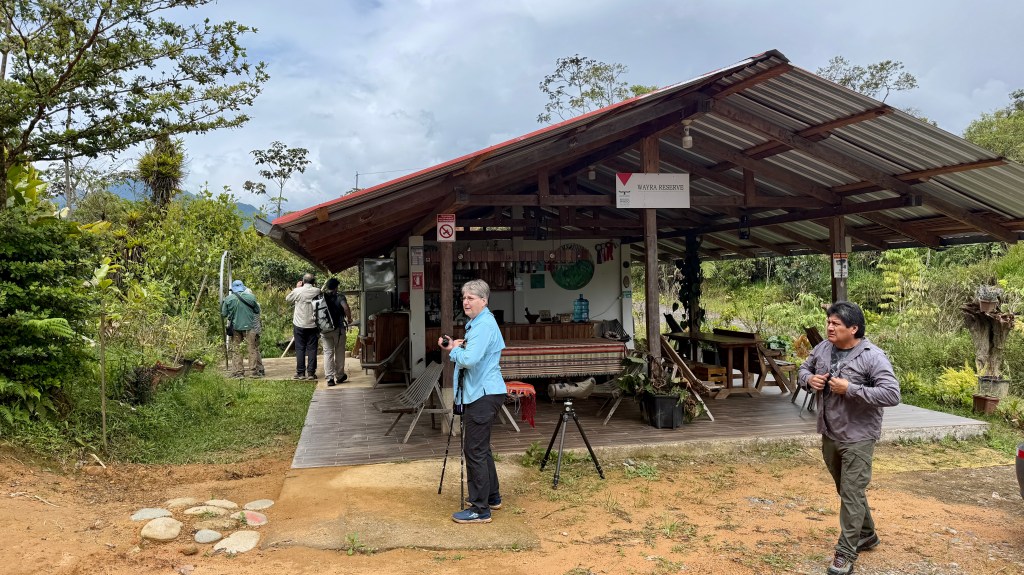
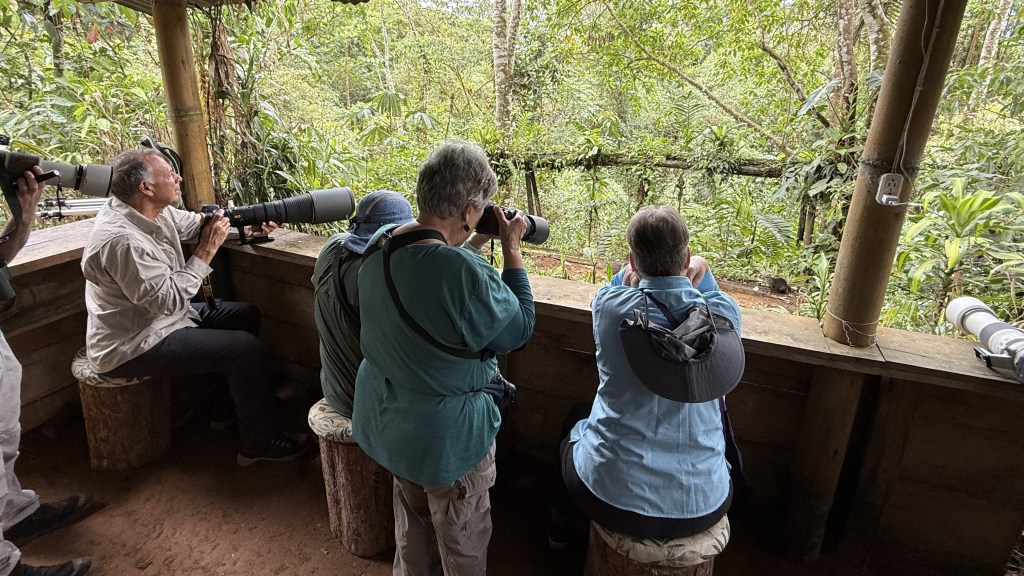
At Wayra Reserve, we logged around 30 species—many of them lifers—each one a spark of joy against the haze of dehydration. From there we continued to the Cosanga River, where nine more new species waited for us, and then on to La Brisa, which delivered another twenty. In total, I captured roughly 1,200 images on that little “extra” card, each one a small triumph squeezed out of a body that was barely cooperating. Between stops, though, the reality was far less triumphant. Do to worsening stomach issues I was constantly peeling away from the group—ducking behind buildings, trees, and whatever cover I could find—hoping the leaves I grabbed in desperation weren’t poisonous. I was embarrassed, exhausted, and struggling to keep pace, the day blurring into a mix of birds, sweat, and survival. By late afternoon, I finally took Xifaxan, and the relief was almost immediate. When we returned to San Isidro that evening, I felt the first hints of clarity returning. I remembered the SD‑card rotation and decided to switch back to my normal system. But instead of placing the used card back into its numbered slot, I slipped it into my shirt pocket—another tiny lapse, another crack in the routine.
And then came the moment I didn’t know I’d be dreading
I showered, tossed my dirty clothes into the laundry bag, and collapsed into bed, unaware that disaster was already in motion. Three days later, when all my dirty clothes were laundered, the truth surfaced: the SD card had gone through the wash, hidden in that shirt pocket.
An entire day’s worth of images — gone in the spin cycle.
An entire day’s worth of images—around 1,200 photographs—was gone. Lost with it were my lifer shots of Smoke-colored Pewee, Saffron-crowned Tanager, Flavescent Flycatcher, Bronzy Inca, and White-breasted Antpitta. The only consolation was a short video of the antpitta, safely stored on a different card. It was a gut punch, the kind that leaves you staring at the wall in disbelief.
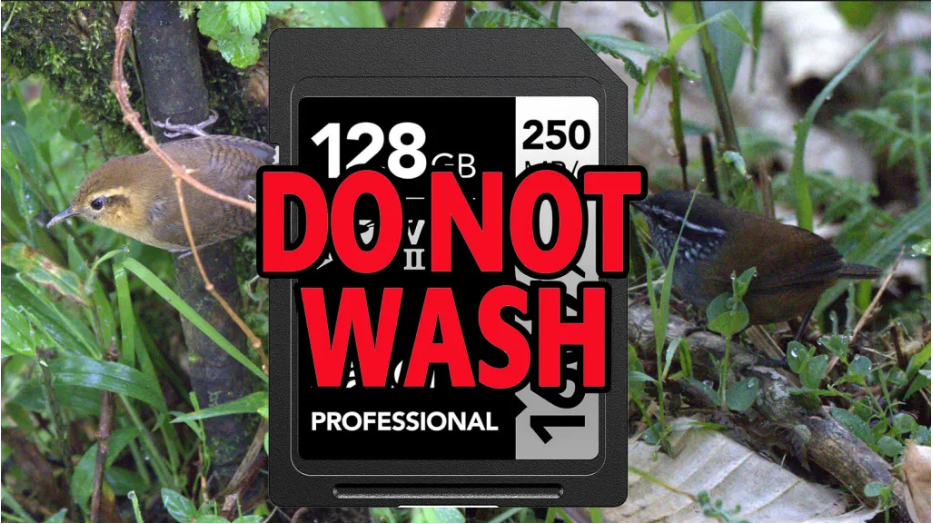
Machine wash cold. Do not bleach. Do not tumble dry. Do not photograph rare birds.
Because even when the photos disappear, the story doesn’t.
And yet, as the next morning dawned, something shifted. My stomach had settled, my strength was returning, and the new SD card in my camera was ready for a fresh start. The Andes, in their quiet, forgiving way, were offering me another chance to begin again.
What I Learned That Day
- Systems fail when your body does
- Small mistakes can snowball
- And sometimes, losing the photos helps you remember the experience more clearly
NEXT UP: EB#43 “– A New Day of Luck and Light at Cabañas San Isidro“
Previous Ecuador Birding Blog Posts:
- EB43 – A New Day of Luck and Light at Cabañas San Isidro
 In October 2025, Jim Gain joined a birding tour in Ecuador, exploring its rich biodiversity and stunning landscapes over 14 days. The blog series chronicles his experiences with birds and nature.
 - EB42 – The Day the Photos Disappeared at Cabañas San Isidro
 In October 2025, Jim Gain joined a birding tour in Ecuador, exploring its rich biodiversity and stunning landscapes over 14 days. The blog series chronicles his experiences with birds and nature.
 - EB41 – Same Jay, New World: Discovering the Inca Green Jay of Ecuador
 In October 2025, Jim Gain joined a birding tour in Ecuador, exploring its rich biodiversity and stunning landscapes over 14 days. The blog series chronicles his experiences with birds and nature.
 - EB40 – Early Morning Wings at the Moth Light Feeders of Cabañas San Isidro
 In October 2025, Jim Gain joined a birding tour in Ecuador, exploring its rich biodiversity and stunning landscapes over 14 days. The blog series chronicles his experiences with birds and nature.
 - EB39 – Wildlife and Mountain Mists on the Road to San Isidro
 In October 2025, Jim Gain joined a birding tour in Ecuador, exploring its rich biodiversity and stunning landscapes over 14 days. The blog series chronicles his experiences with birds and nature.
 - EB38 – Sunlit Surprise: The Golden‑Tailed Sapphire’s Rainbow Glow
 In October 2025, Jim Gain joined a birding tour in Ecuador, exploring its rich biodiversity and stunning landscapes over 14 days. The blog series chronicles his experiences with birds and nature.

>>Ecuador Birding Blog Home Page Link https://reflectionsofthenaturalworld.com/ecuador-birding/
*This Ecuador Birding blog post was shaped and polished with the assistance of Microsoft Copilot, helping bring clarity and a consistent flow to my field notes and dictated memories.
**Unless otherwise indicated in the image caption, all photographs (>99%) are mine.

 Reflections of the Natural World
Leave a comment