
Central Valley Birds and Birding Blog Post Series
Few things on earth fill us with as much delight as the winged creatures we call birds. Over 300 wild bird species either live in or pass through California’s Central Vally on a regular basis. The intent of this blog is to ignite a spark of curiosity in our followers that motivates them to learn more about these wild inhabitants and the environs they frequent. Curiosity leads to inquiry, Inquiry leads to visitation, Visitation leads to caring and Caring leads to Conservation
A Reflections of the Natural World Blog Post Series hosted by Jim Gain
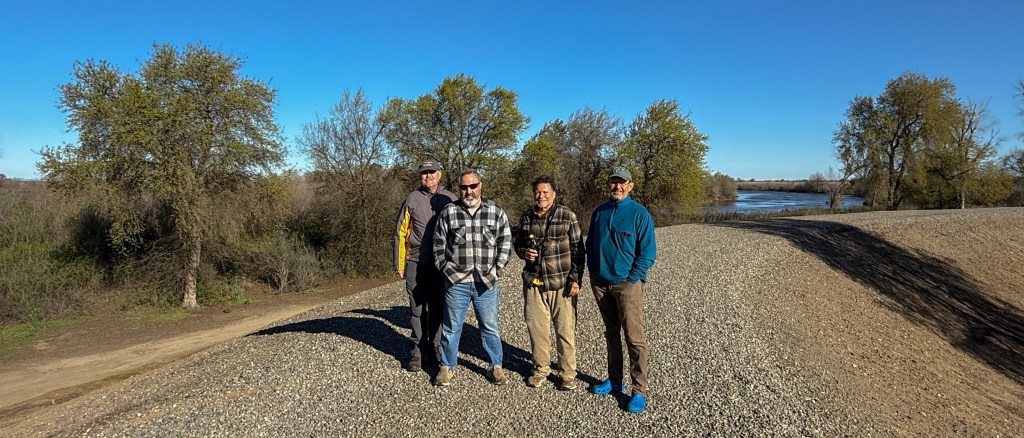
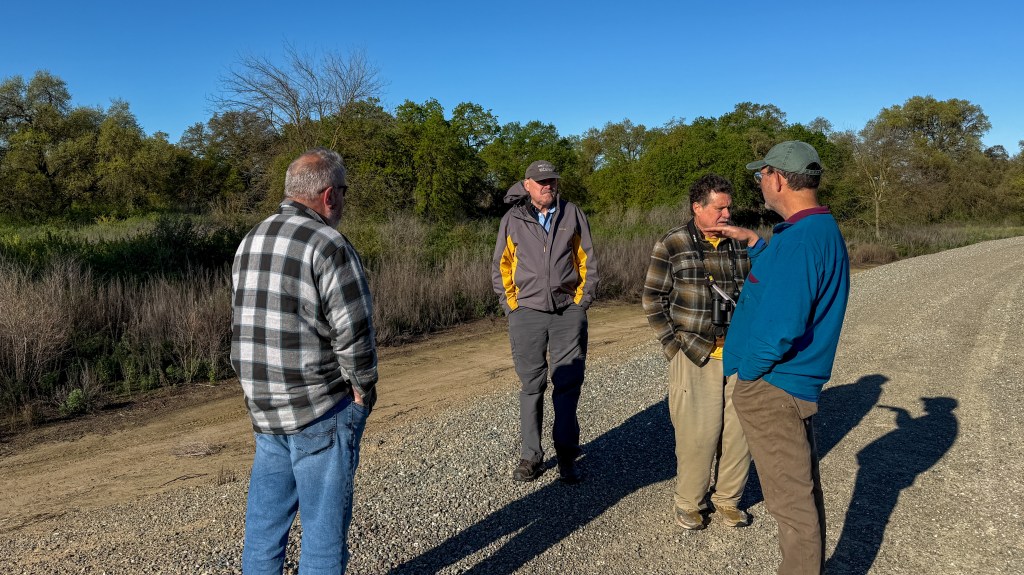
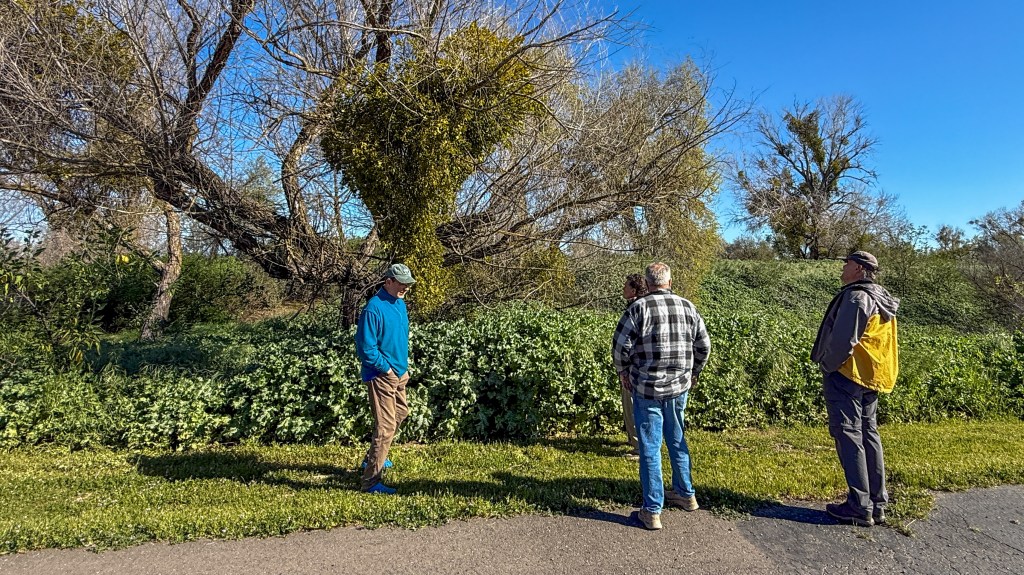
The idea for the habitat survey at the Durham Ferry Outdoor Recreation Facility was sparked as the result of a simple invitation to visit from Kristine Stepping, the Outdoor Education and Environmental Literacy Coordinator for the San Joaquin County Office of Education to Jim Rowoth, a former volunteer with the program, to discuss their planned nest box program. Students there will be building bird boxes in April. Knowing of Durham Ferry’s local environment and ongoing commitment to environmental education and support of local habitat and wildlife, and a concurrent nest box project at the nearby San Joaquin River Club, Jim took the initiative and invited an impromptu team of regional experts to meet at Durham Ferry, walk the grounds, and share their insights with Kristine at the end of the survey.
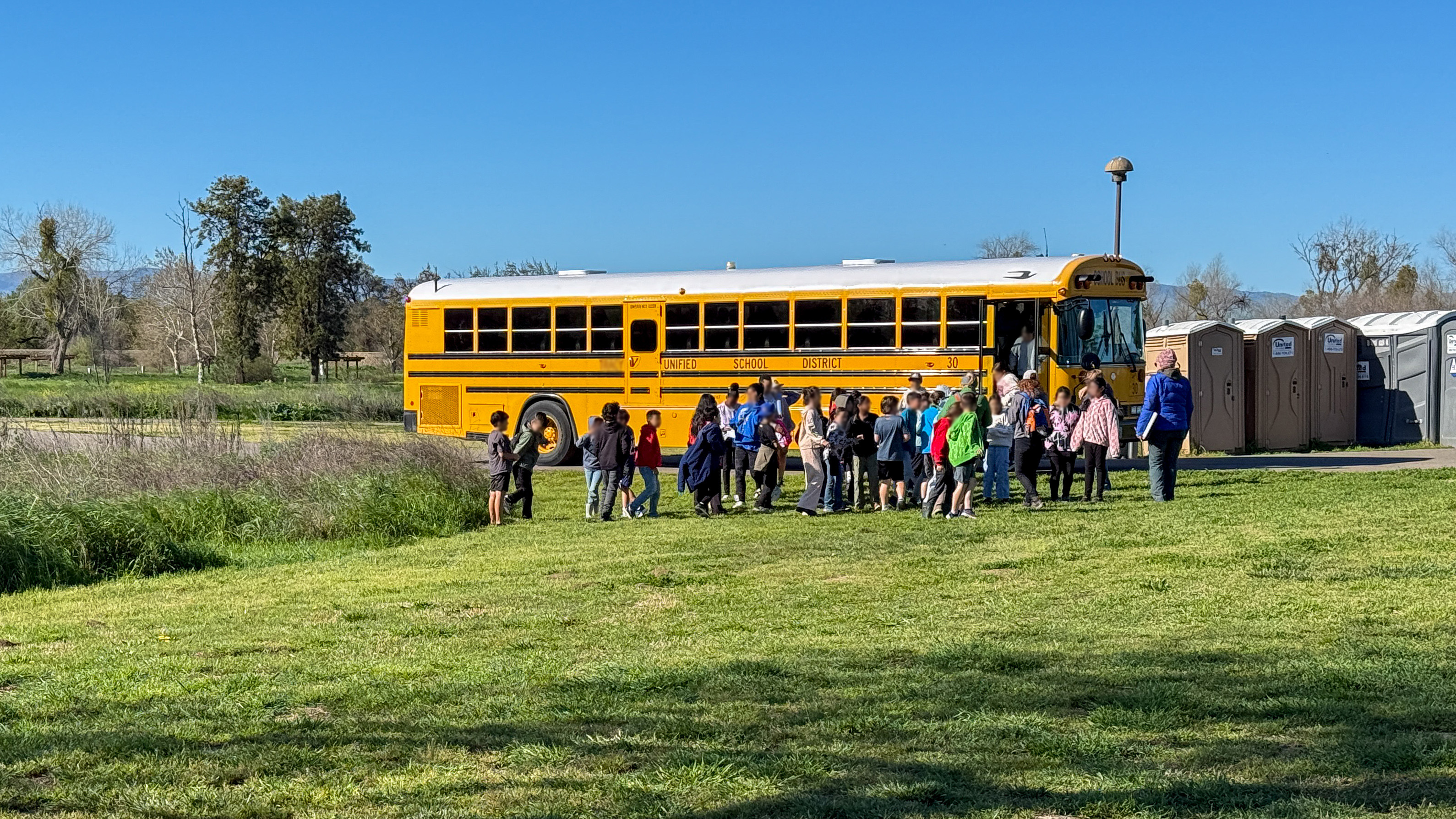
Durham Ferry itself has a layered history. Once a San Joaquin County park, it has since transitioned into a quieter outdoor education site, offering students and visitors access to a surprisingly diverse stretch of land along the San Joaquin River.
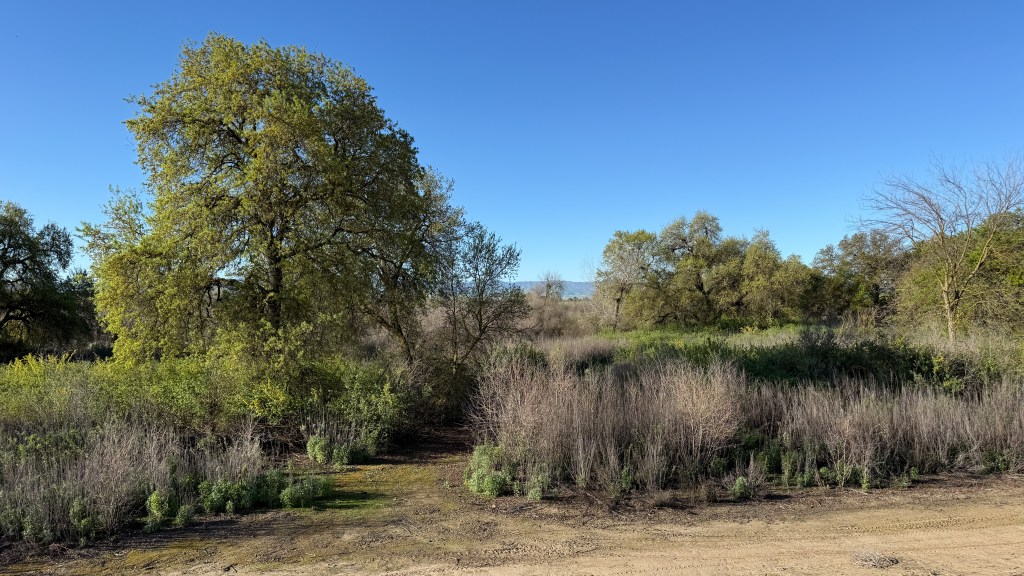
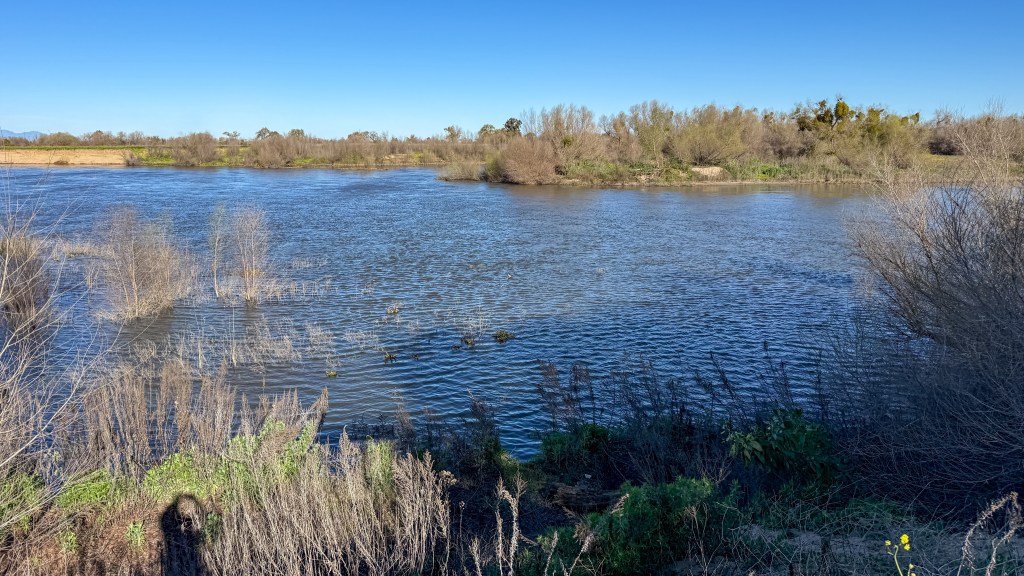
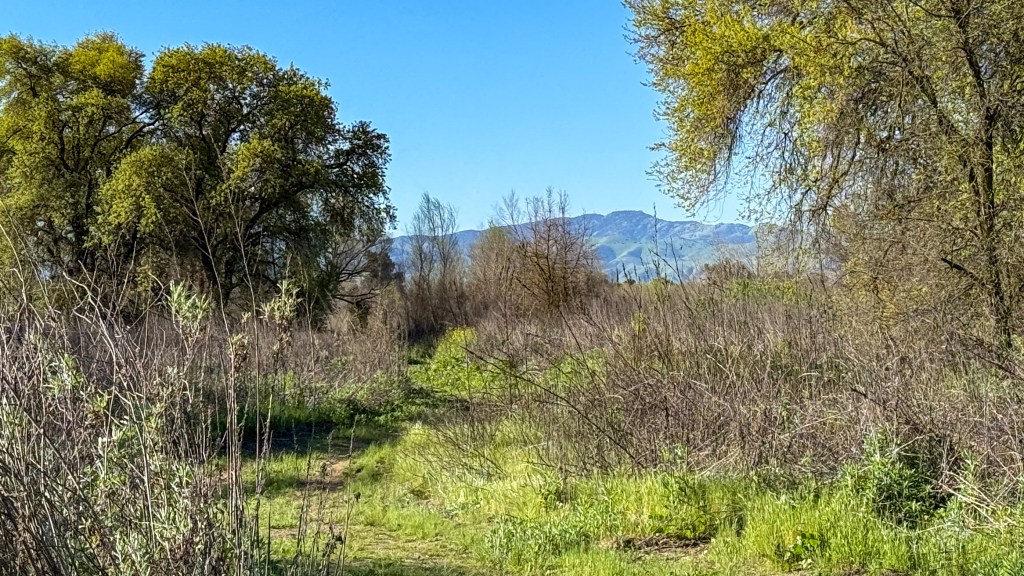
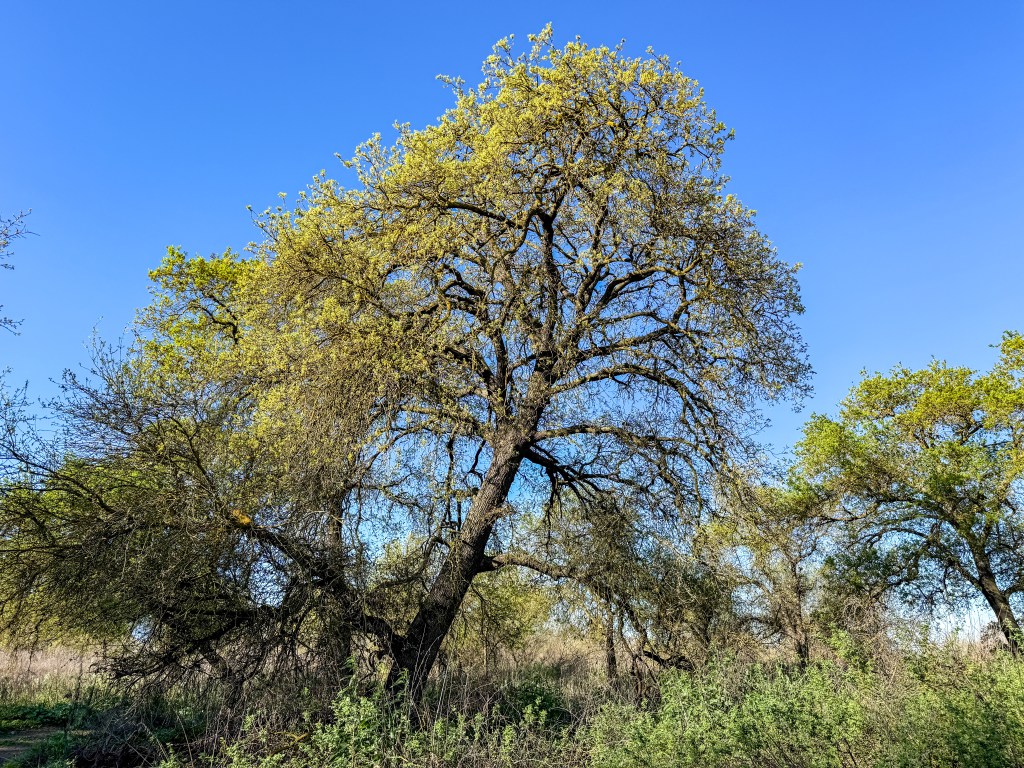
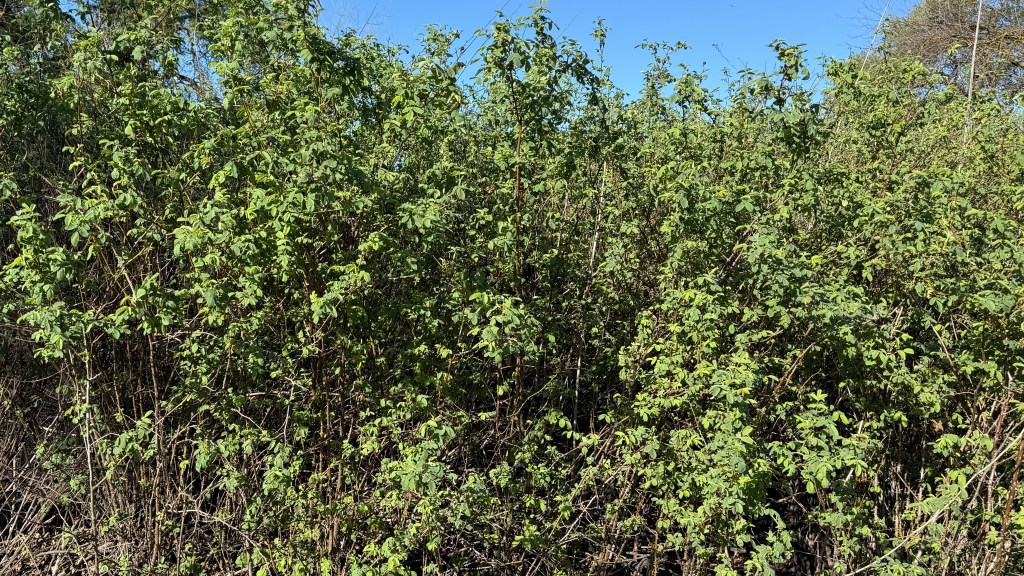
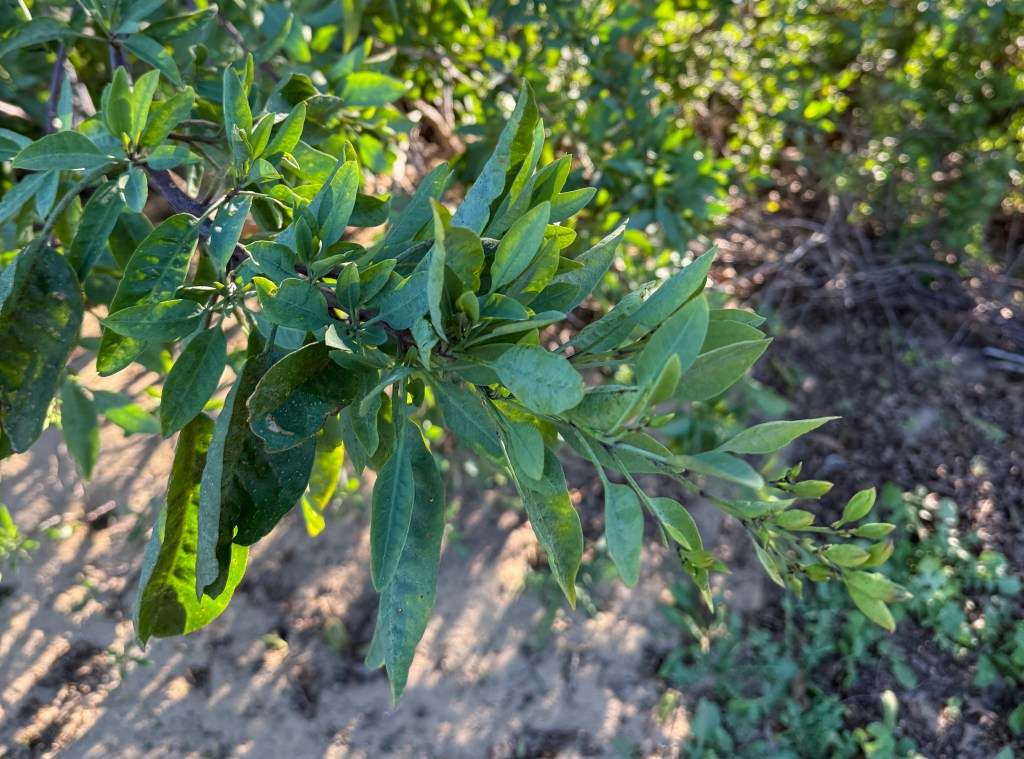
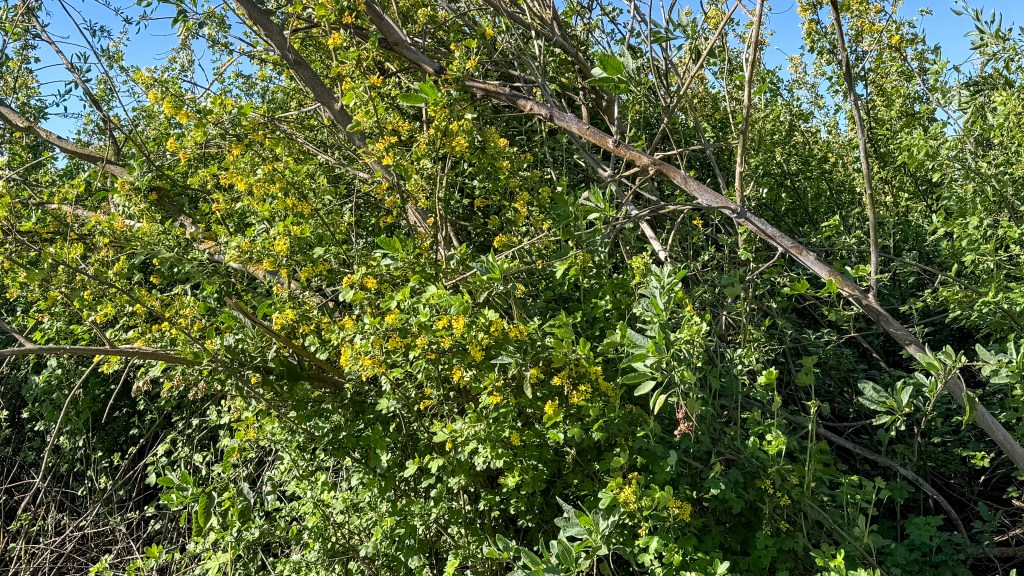
The property includes riparian forest, open grassland, valley oak savanna, and dense shrublands near the river’s edge—habitats that together form a mosaic capable of supporting a wide range of bird species. It was this ecological variety that made the site an ideal candidate for evaluating which cavity‑nesting birds might benefit from the addition of nest boxes.
Cavity‑nesting birds fall into two categories. Primary cavity nesters, such as woodpeckers, excavate their own nest holes in dead or decaying wood. Secondary cavity nesters, such as Western Bluebirds, Tree Swallows, Oak Titmice, and Western Screech‑Owls, rely on existing cavities—either natural hollows or those created by primary excavators. In landscapes where old trees and snags are limited, secondary cavity nesters often face a shortage of suitable nesting sites, making nest boxes an effective conservation tool.
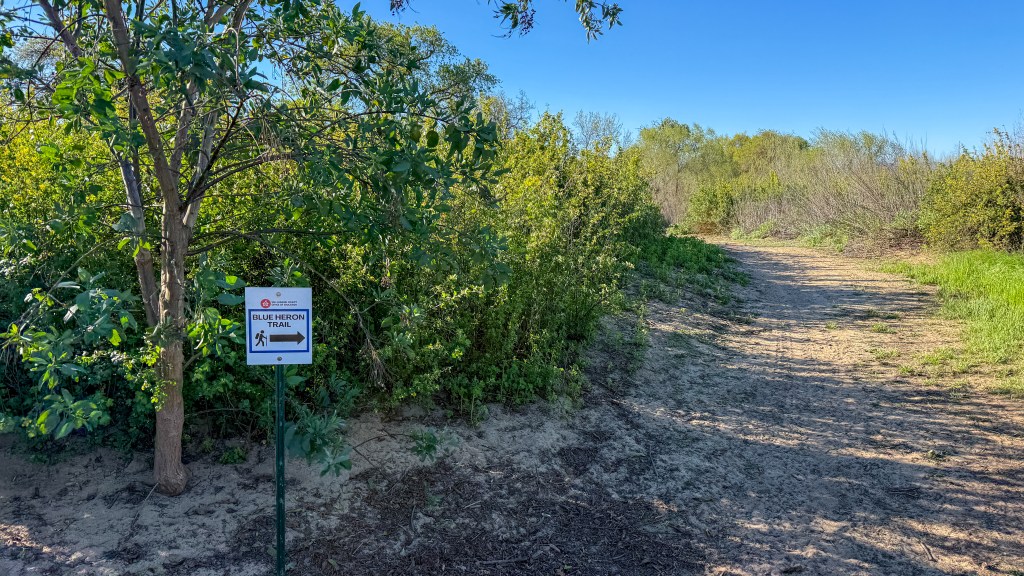
As we walked the property, we evaluated each habitat type for its potential to support these species. The riparian corridor offered the strongest natural cavity potential, while the surrounding grasslands and oak savanna provided excellent foraging habitat but fewer natural nest sites. Based on the structure of the landscape and the species already present, the birds most likely to benefit from nest boxes at Durham Ferry include Wood Ducks, American Barn Owls, Western Bluebirds, Tree Swallows, Bewick’s and Northern House Wrens, White-breasted Nuthatches, Ash-throated Flycatchers, Oak Titmice, and Western Screech‑Owls.
The strength of this survey came from the diverse expertise of the team. Mike Azevedo, with decades of experience in cavity‑nester conservation and nest‑box trail management, offered detailed guidance on box design, placement, and long‑term monitoring. Jim Rowoth, whose deep familiarity with Central Valley bird communities comes from years of leading surveys at the Cosumnes River Preserve, helped assess habitat quality and identify subtle indicators of species presence. Henry Koertzen, a skilled field‑trip leader and community naturalist, contributed his sharp observational skills and understanding of how to engage volunteers in future monitoring efforts. Lawrence Abbott, with his background in habitat restoration and native planting, evaluated vegetation structure and suggested ways to enhance long‑term habitat resilience. And I brought my own experience in wildlife biology, environmental education, and species documentation to help synthesize our observations into a clear set of recommendations.
By the end of the walk, it was clear that Durham Ferry holds strong potential as a cavity‑nester hotspot—one that could be significantly enhanced with a thoughtfully designed nest‑box program. With its blend of riverine habitat, open foraging areas, and educational mission, the site is well positioned to support both wildlife and the students who come here to learn. What began as a casual conversation has now become the first step toward creating a thriving network of nest boxes that will benefit birds for years to come.
Most recent Blog Posts from the Central Valley Birds and One Moment in Nature series.

 Reflections of the Natural World
Leave a comment