A Reflections of the Natural World Blog Post Series by Jim Gain

Ecuador Birding – Where Every Feather Tells a Story
From October 26, 2025 through November 8, 2025 I joined 5 other adventurers and an outstanding photographer and birding guide (Liron Gertsman) with Eagle-Eye Tours to Ecuador. This blog series highlights the animals (mostly birds), people and locations we encountered over the 14 full days in this beautiful land.
DAY 3 – Afternoon
- My Ecuador Species Count up to and including the Sani Isla Community jumps up to: 125 (85 lifers)
- Primary eBird Public Hotspots: Random Spots
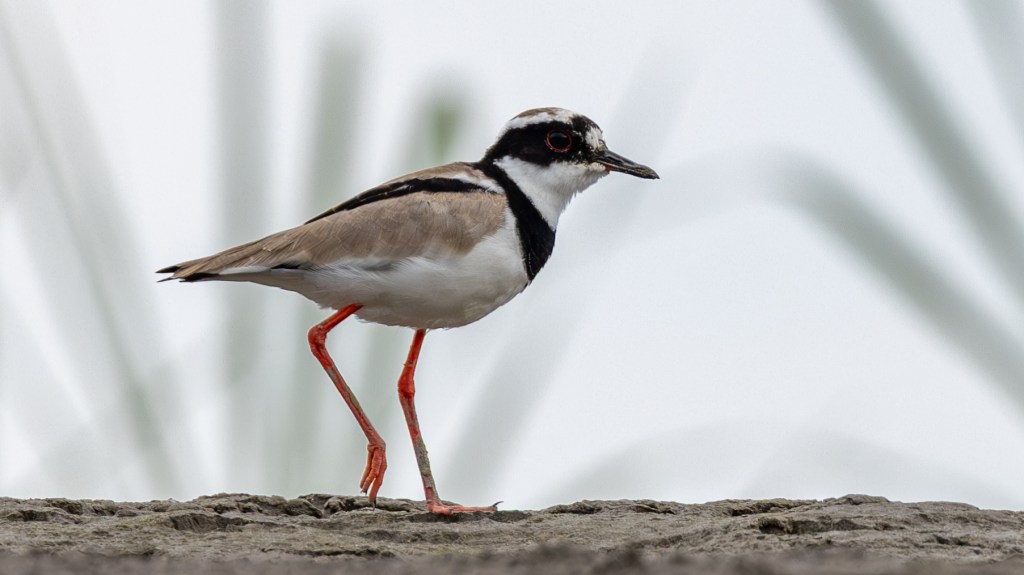
On our cruise back from the Sani Isla community, we made several stops along the river, picking up a handful of new species as the afternoon light softened over the Napo. At scattered sandbars and pale river beaches, we found more PIED PLOVERS, their clean white underparts and soft gray backs giving them a delicate, almost porcelain look as they darted along the shoreline. Nearby, COLLARED PLOVERS patrolled the sand with their crisp black breastbands and warm cinnamon tones, moving with quick, purposeful steps. A lone SPOTTED SANDPIPER bobbed its tail in the shallows, its speckled flanks and teetering gait unmistakable even from a distance.

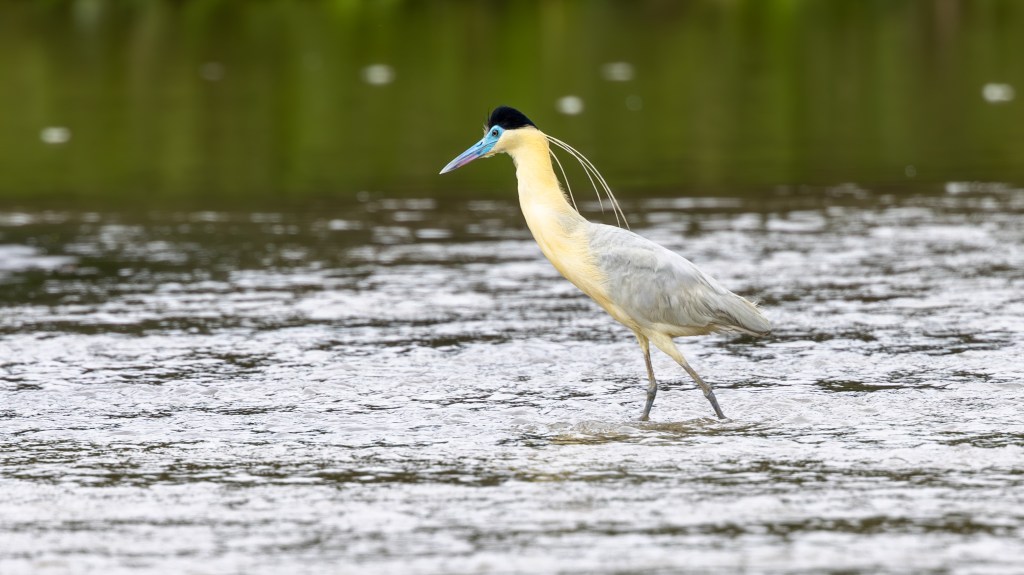
The herons added their own elegance to the scene. A towering GREAT EGRET stood in luminous white, its long neck curved like a question of light against the riverbank. A CAPPED HERON glowed with creamy plumage and a powder‑blue face, looking almost ethereal as it hunted quietly along the water’s edge. And a STRIATED HERON, smaller and more compact, perched low over the water, its slate‑green feathers blending beautifully with the tangled roots and shadows.


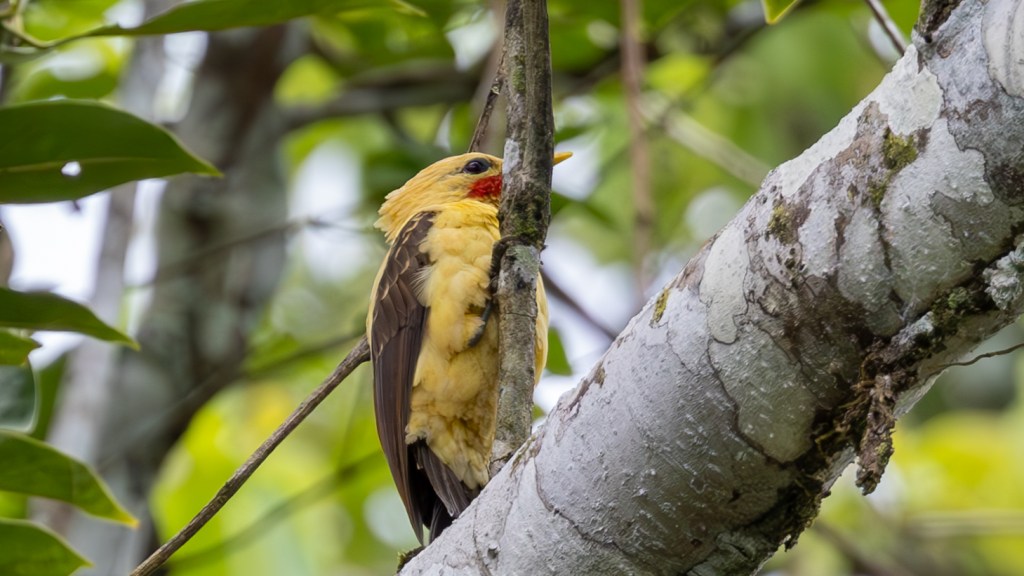
After transferring back into the canoes, we slipped once more into the blackwater channels, the forest closing in around us like a living cathedral. WHITE-WINGED SWALLOWS skimmed low over the surface, their dark bodies flashing bright white patches each time their wings caught the fading light. A CREAM-COLORED WOODPECKER appeared briefly on a mossy trunk, its pale buff plumage and bold black markings giving it a striking, almost sculptural presence against the deep greens of the forest.

As we continued silently, the forest canopy above us suddenly came alive with movement. A lively troupe of ECUADORIAN SQUIRREL MONKEYS scampered through the branches, their small, expressive faces and quick, darting leaps giving them an almost playful curiosity as they peered down at us. Mixed among them were BROWN-HEADED CAPUCHINS, far bolder and more acrobatic, swinging effortlessly from vine to vine and pausing only long enough to inspect fruits or investigate one another’s antics. Their combined energy turned the treetops into a bustling aerial stage.


From deeper in the forest came the deep, resonant roars of Red Howler Monkeys, their voices rolling across the canopy like distant thunder. Though they remained hidden from view, their calls added a wild, primeval soundtrack to our slow glide through the shaded waterway.
NEXT UP: EB#24 “Drenched but Undeterred: Exploring Sani Lodge After the Rain“
Additional Photographs and Video


Previous Ecuador Birding blog posts will be linked below.
- EB43 – A New Day of Luck and Light at Cabañas San Isidro
 In October 2025, Jim Gain joined a birding tour in Ecuador, exploring its rich biodiversity and stunning landscapes over 14 days. The blog series chronicles his experiences with birds and nature.
 - EB42 – The Day the Photos Disappeared at Cabañas San Isidro
 In October 2025, Jim Gain joined a birding tour in Ecuador, exploring its rich biodiversity and stunning landscapes over 14 days. The blog series chronicles his experiences with birds and nature.
 - EB41 – Same Jay, New World: Discovering the Inca Green Jay of Ecuador
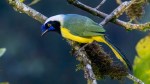 In October 2025, Jim Gain joined a birding tour in Ecuador, exploring its rich biodiversity and stunning landscapes over 14 days. The blog series chronicles his experiences with birds and nature.
 - EB40 – Early Morning Wings at the Moth Light Feeders of Cabañas San Isidro
 In October 2025, Jim Gain joined a birding tour in Ecuador, exploring its rich biodiversity and stunning landscapes over 14 days. The blog series chronicles his experiences with birds and nature.
 - EB39 – Wildlife and Mountain Mists on the Road to San Isidro
 In October 2025, Jim Gain joined a birding tour in Ecuador, exploring its rich biodiversity and stunning landscapes over 14 days. The blog series chronicles his experiences with birds and nature.
 - EB38 – Sunlit Surprise: The Golden‑Tailed Sapphire’s Rainbow Glow
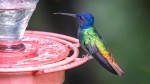 In October 2025, Jim Gain joined a birding tour in Ecuador, exploring its rich biodiversity and stunning landscapes over 14 days. The blog series chronicles his experiences with birds and nature.

>>Ecuador Birding Blog Home Page Link https://reflectionsofthenaturalworld.com/ecuador-birding/
*This Ecuador Birding blog post was shaped and polished with the assistance of Microsoft Copilot, helping bring clarity and a consistent flow to my field notes and dictated memories.
**Unless otherwise indicated in the image caption, all photographs (>99%) are mine.

 Reflections of the Natural World
Leave a comment