
One Moment in Nature is a reflection back in time to a moment of discovery as I explored the natural settings around me. Through the sharing of this moment, is my hope that readers will become motivated to learn more about our environment and its inhabitants, and become passionate advocates for conservation. One Moment in Nature is a Reflections of the Natural World Blog Post Series by Jim Gain

THE WOOD DUCKS MOMENT
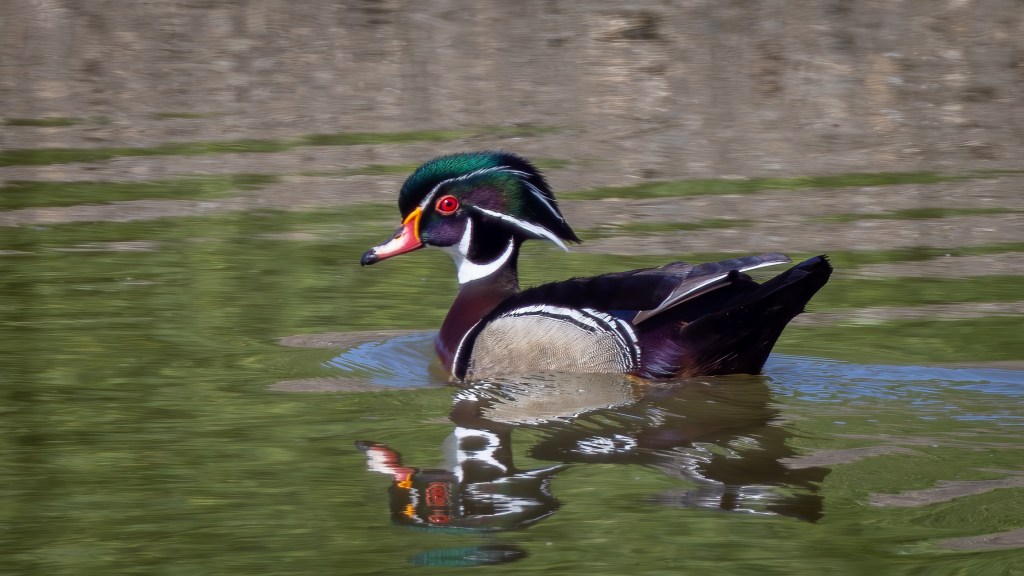
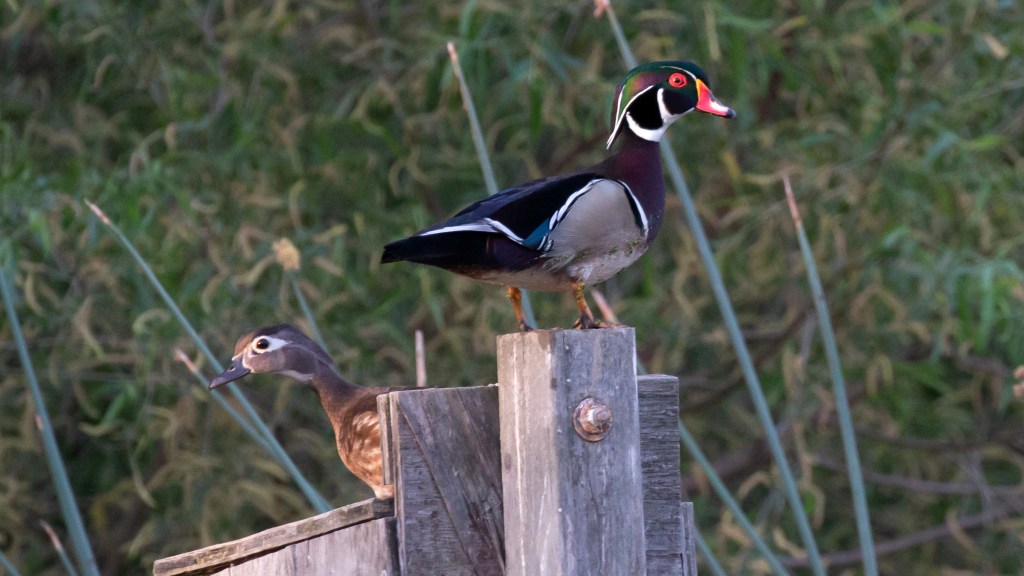
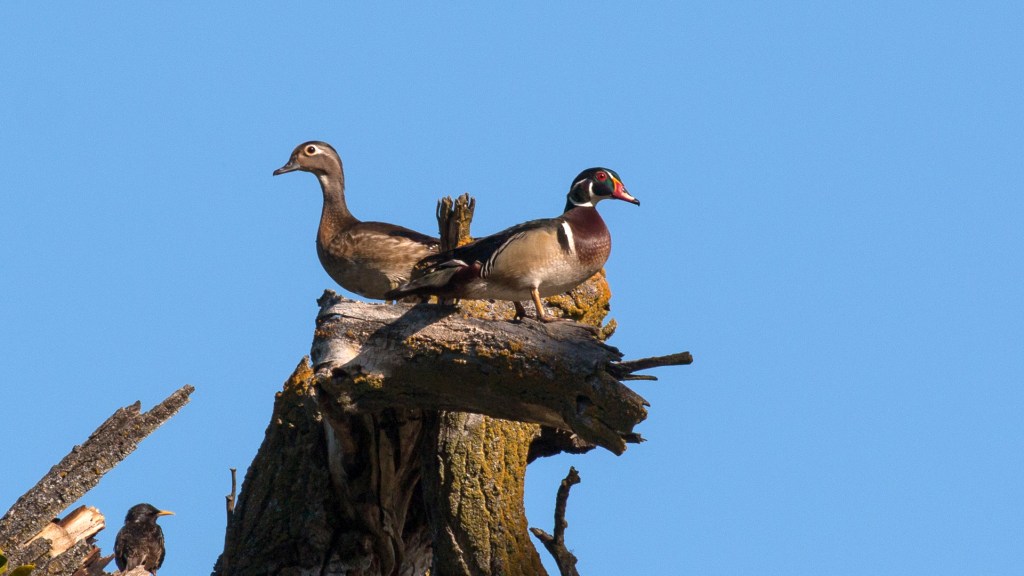
With the local wildlife refuge water all but gone and with no access to the Modesto Water Treatment Plant, the Ceres Water Reclamation Facility was getting all of my wetland waterbirding attention. A quick drive along the western ponds netted several hundred Canada Geese, a couple dozen Mallards with a handfull of Black-necked Stilts still hanging around. I had checked out the far NE “Riparian” grown over cell and had turned back around to head back to the office when I spotted a small group of Wood Ducks swimming slowly away from my location. Typically by the time I get close enough to Wood Ducks to get a decent photograph, all I see is their hind ends as they are flying away while giving their distinctive call. This time however, one of the males just continued lazily swimming away while keeping a close eye on me.
ABOUT THE WOOD DUCK IN CALIFORNIA’S CENTRAL VALLEY
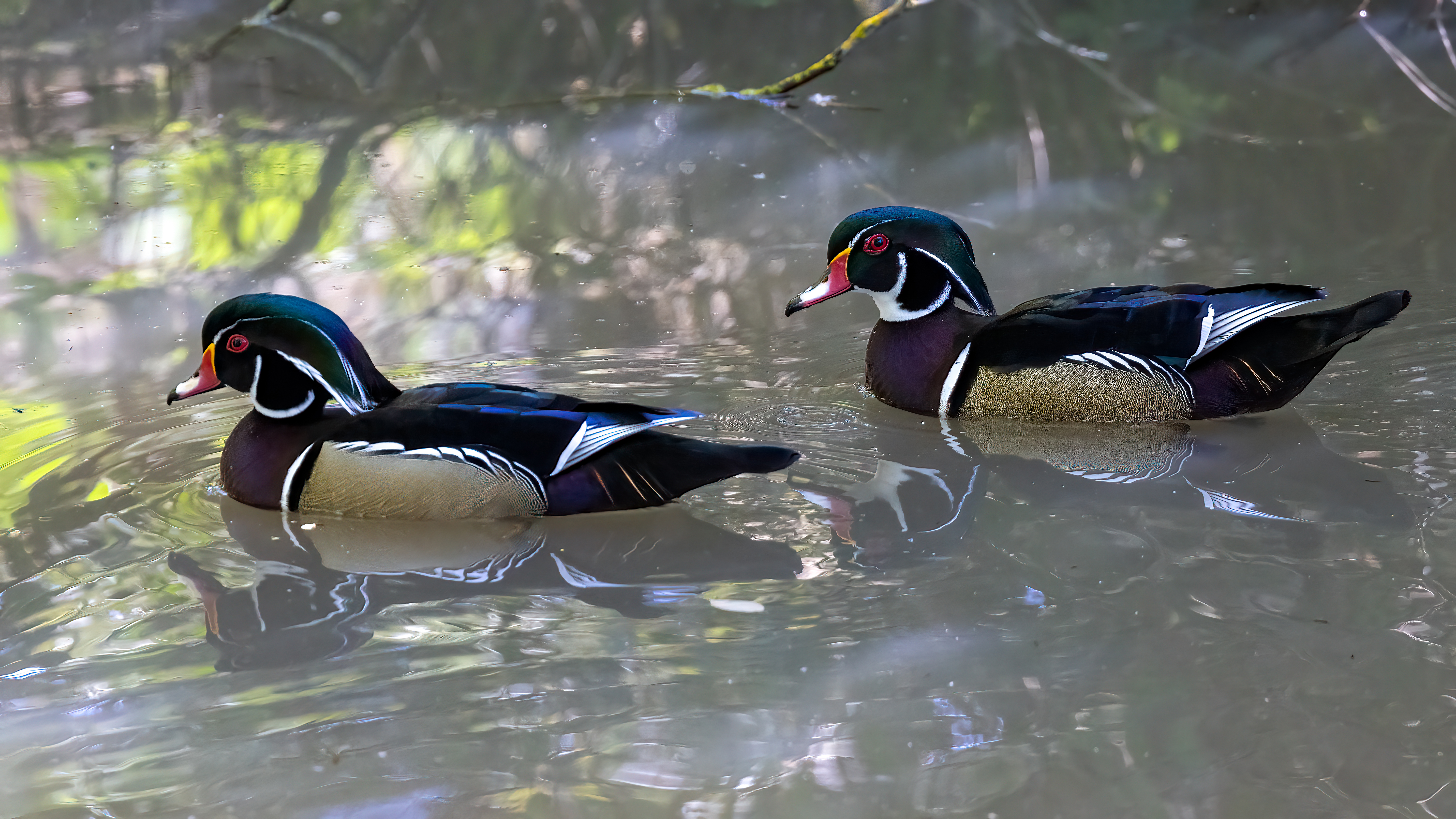
In California’s Central Valley, the Wood Duck is a year-round resident, most abundant in riparian corridors, oxbow lakes, and managed wetlands where mature trees overhang slow-moving water. Once nearly extirpated from the region due to habitat loss and the effects of DDT, the species has rebounded dramatically thanks to targeted conservation efforts. Today, it is locally common throughout the Sacramento and San Joaquin Valleys, especially in areas with restored riparian habitat and artificial nest boxes. Breeding occurs from April through August, with peak nesting in wooded sloughs, shaded ponds, and agricultural canals lined with cottonwoods and willows.

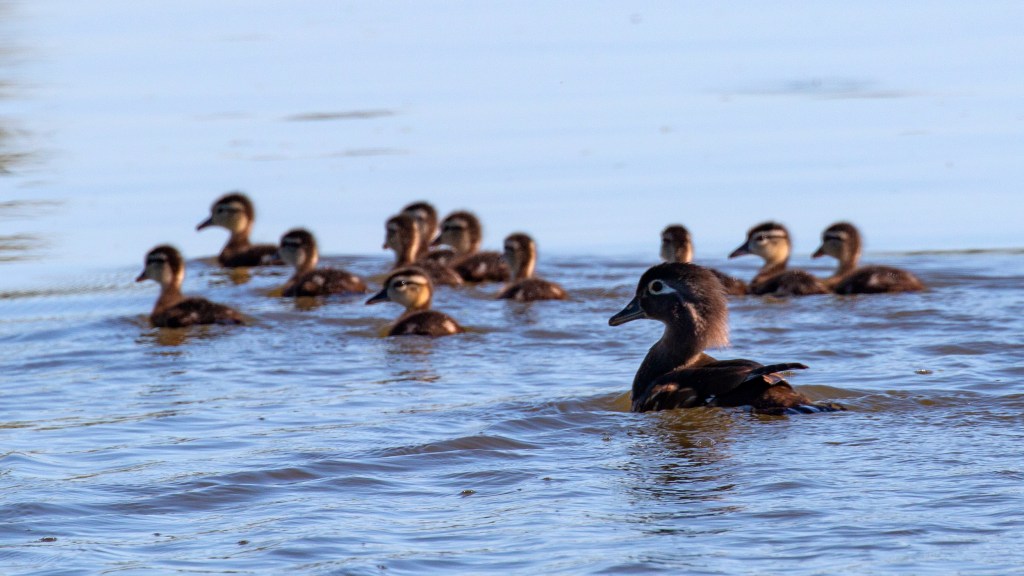
The species’ occurrence is closely tied to the availability of nesting cavities and shallow foraging waters. Natural tree cavities are increasingly scarce due to logging and urban development, but nest box programs—such as the California Wood Duck Program—have played a pivotal role in stabilizing and expanding local populations. These boxes mimic the tree hollows that hens require for nesting and have produced over a million ducklings since the program’s inception. In winter, Wood Ducks gather in larger flocks, often roosting in sheltered wetlands and feeding in nearby fields, especially where acorns, waste grain, and aquatic vegetation are abundant.
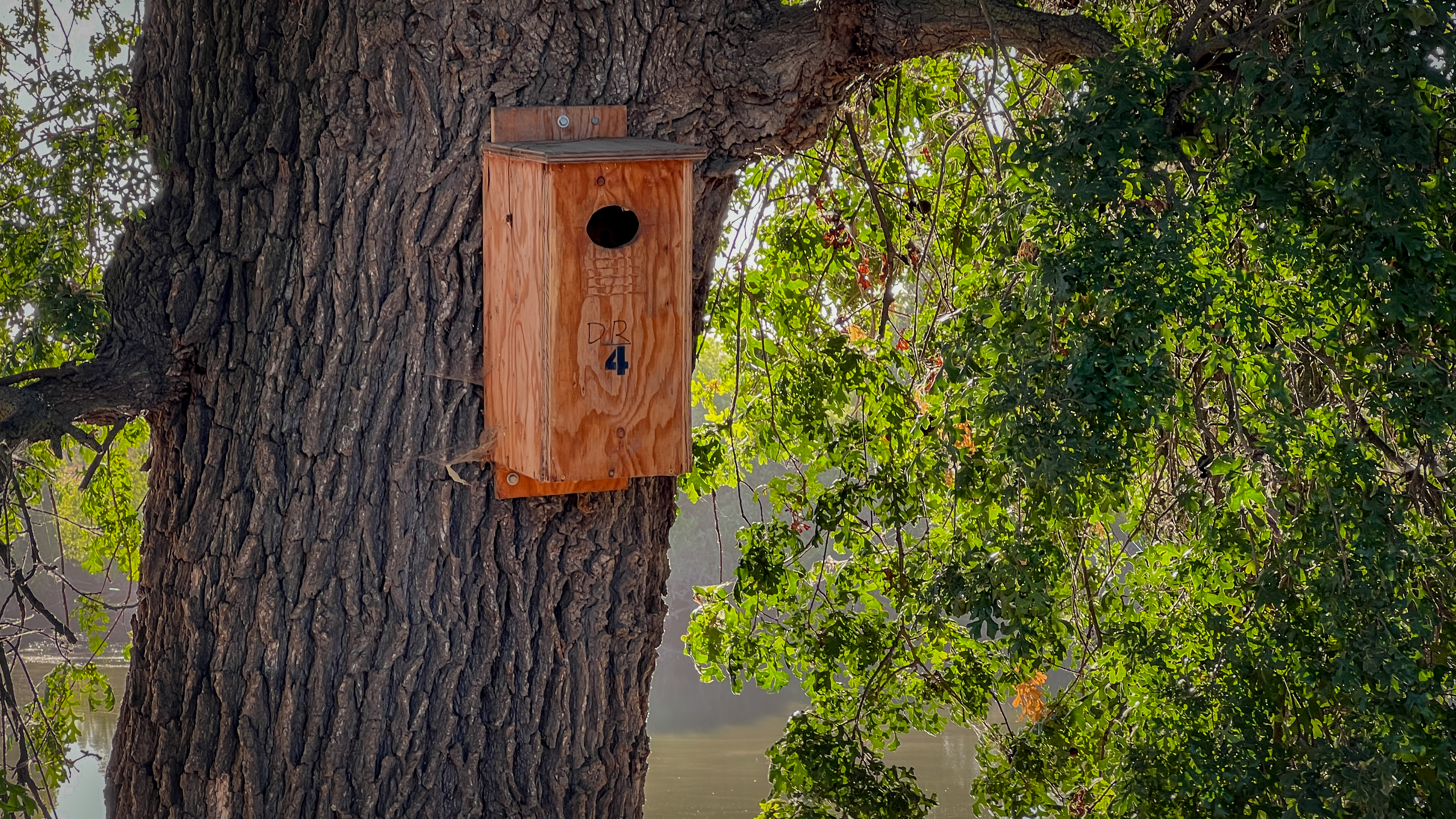
Globally, the Wood Duck is listed as Least Concern, and its population trend in California is considered stable or increasing. However, its dependence on riparian woodlands and shallow freshwater habitats makes it vulnerable to drought, water diversion, and land-use change. Conservation strategies that protect riparian zones, maintain water levels in breeding wetlands, and support nest box installation remain essential. In the Central Valley, where over 95% of historic wetlands have been lost, the species’ recovery is a testament to the power of targeted habitat management and community science.
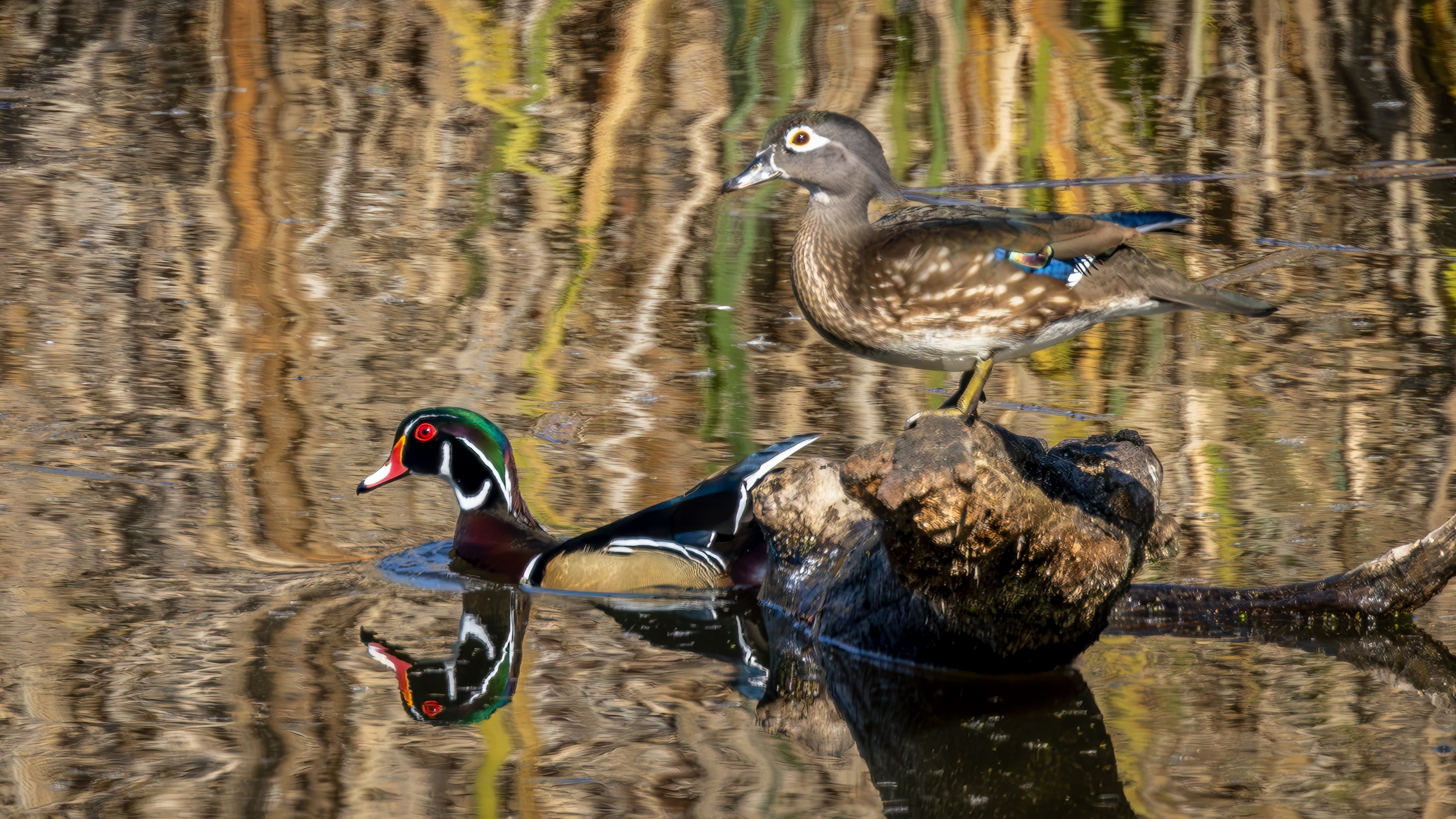
Natural history reveals a duck of striking beauty and unusual habits. Males sport iridescent plumage with bold white markings, while females are more subtly patterned but equally elegant. Unlike most ducks, Wood Ducks nest in trees, and their ducklings must leap from the cavity within a day of hatching—sometimes from heights of over 30 feet. The young feed on insects and aquatic invertebrates before shifting to a more herbivorous diet. Agile and alert, Wood Ducks forage both in water and on land, often venturing into oak woodlands to feed on fallen acorns. In the Central Valley, their presence adds a splash of color and charisma to the quiet backwaters of California’s working landscape.
A PHOTO GALLERY OF WOOD DUCKS


Most recent Blog Posts from the One Moment in Nature series.


 Reflections of the Natural World
Leave a comment