
Learn 100 Common Valley Birds Blog Post Species #89/100
Few things on earth fill us with as much delight as birds, and knowing them by name only adds to our pleasure. In California’s Central Valley, with only a little bit of effort, anyone can learn 100 local bird species. Especially since on a daily basis Valley Residents come in contact with at least a dozen species that most recognize, but may not know the name of. The intent of this blog is for followers to learn about and be able to identify 100 common valley birds.
A Reflections of the Natural World Blog Post Series by Jim Gain

**LODI SANDHILL CRANE FESTIVAL – Nov 1-3, 2024
WHAT’S IN A NAME
Sandhill Crane – Grus canadensis
Name Roots: (L. grus, “crane, to cry out” – of Canada)
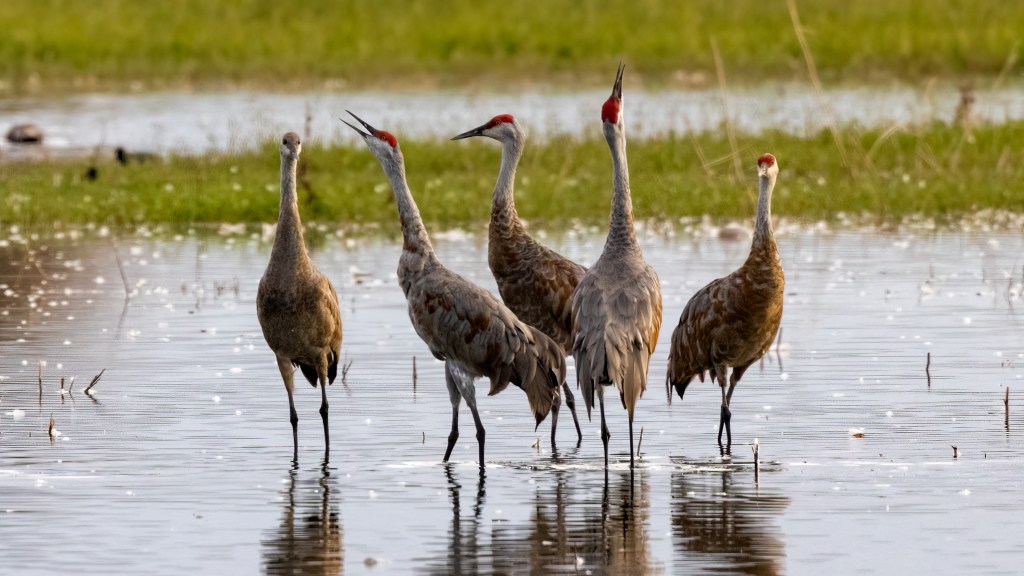
PHYSICAL CHARACTERISTICS
The Common Yellowthroat is a small North American warbler known for its distinctive appearance. Males have olive-green upperparts with a bright yellow throat and breast with a dark black mask covering their eyes. Females lack the black mask but share the yellow throat and greenish plumage.

DISTRIBUTION STATUS IN THE CENTRAL VALLEY
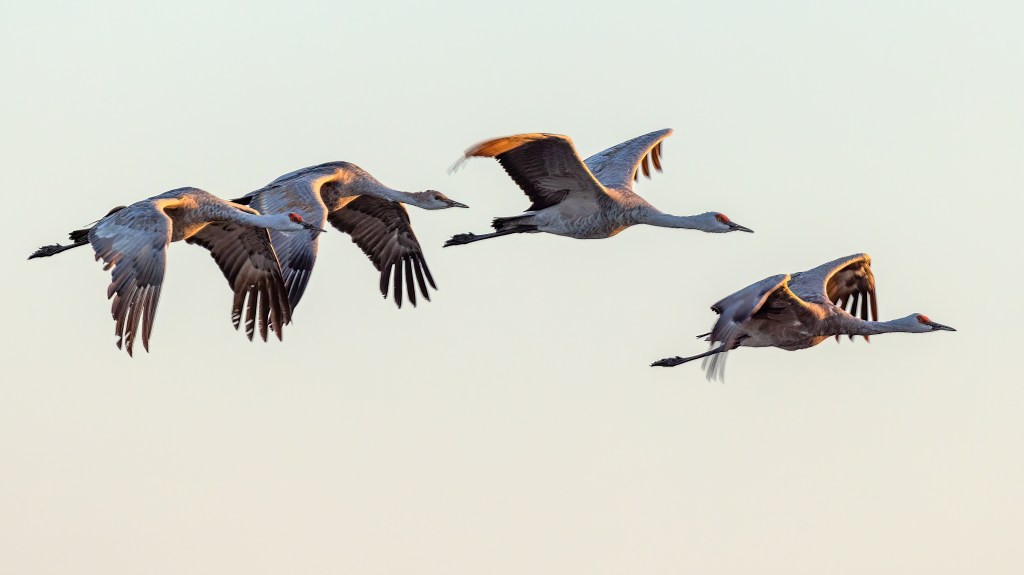
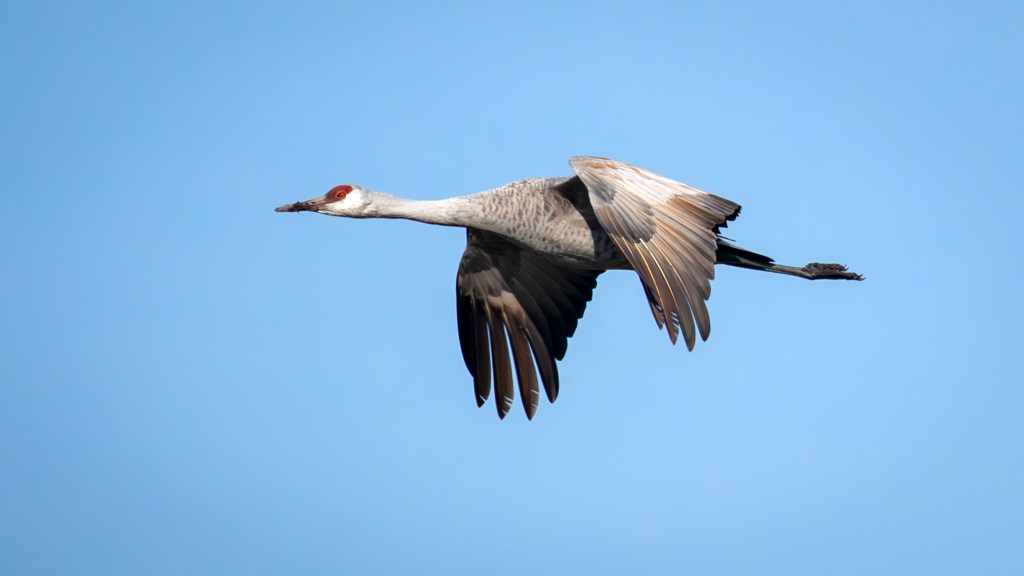
The Sandhill Crane is a Common Winter Visitor in California’s Central Valley and can be found in Freshwater Wetlands, Grasslands and Flooded Fields.
eBird Bar Charts & Map Grid


Previous Learn 100 Common Valley Birds Posts

 Reflections of the Natural World
Leave a comment