
Western Europe Birds & Birding (#41/52): From the Highland Willow Scrub of Scotland to the Aegean Islands in the Sea of Crete, Western Europe is home to over 800 resident, migratory and vagrant birds. From songbirds to gamebirds and from waterfowl to raptors, you can find birds virtually in every nook and cranny of this beautiful area. *All images showcased in this blog series were taken and edited by me.
A Reflections of the Natural World Blog Post Series by Jim Gain
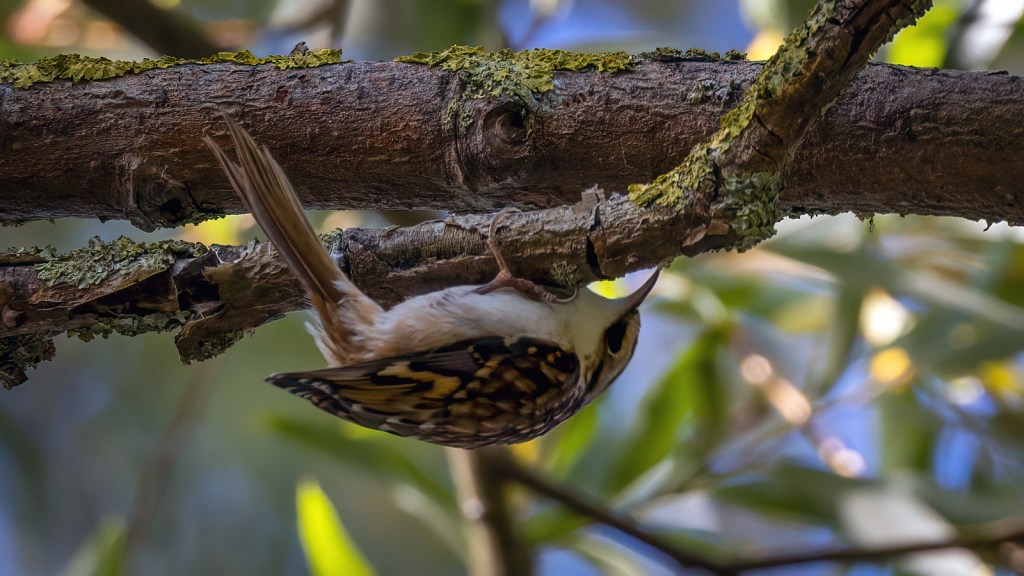
The Eurasian Treecreeper (Certhia familiaris) is a masterful climber, a diligent insect hunter, and a resilient inhabitant of our forests.

Physical Characteristics:
The Eurasian treecreeper is a small woodland bird with cryptic plumage. Its warm brown upperparts are intricately patterned with black, buff, and white. The belly, flanks, and vent area have a subtle buff tinge. These birds have long decurved bills and rigid tail feathers that provide support as they creep up tree trunks in search of insects. The sexes are similar, but juveniles have duller upperparts and their underparts exhibit dark fine spotting on the flanks.

Diet:
Eurasian treecreepers are carnivorous insectivores. They feed on a wide variety of insects and arthropods, contributing to natural pest control in arboreal ecosystems. During winter, they also consume seeds, aiding in their dispersal throughout the forests.

Abundance and Distribution:
- Population Size: Approximately 40 to 76 million individuals.
- Life Span: These birds typically live between 2 to 8 years.
- Habitat Preference: Eurasian treecreepers breed across the Palearctic, spanning from Ireland to Japan. They prefer mature trees and are commonly found in coniferous forests, especially spruce and fir. However, in European Russia and the British Isles, they frequent broadleaved or mixed woodlands. You might even spot them in parks and large gardens.
- Migratory Behavior: While non-migratory in milder regions, some northern birds migrate south during winter. Populations breeding in mountainous areas may descend to lower altitudes in winter¹[1]²[2].

IUCN Red List Status:
The Eurasian treecreeper is classified as a species of Least Concern by the International Union for Conservation of Nature (IUCN). This status indicates that their population is relatively stable and not currently facing significant threats. However, it’s essential to continue monitoring their habitats and conserving the woodlands they rely on for survival.
For more information, you can explore the IUCN Red List and learn about the conservation status of various species.

EURASIAN TREECREEPER WAS LIFER #823

 Reflections of the Natural World
Leave a comment