
Western Europe Birds & Birding (#34/52): From the Highland Willow Scrub of Scotland to the Aegean Islands in the Sea of Crete, Western Europe is home to over 800 resident, migratory and vagrant birds. From songbirds to gamebirds and from waterfowl to raptors, you can find birds virtually in every nook and cranny of this beautiful area. *All images showcased in this blog series were taken and edited by me.
A Reflections of the Natural World Blog Post Series by Jim Gain
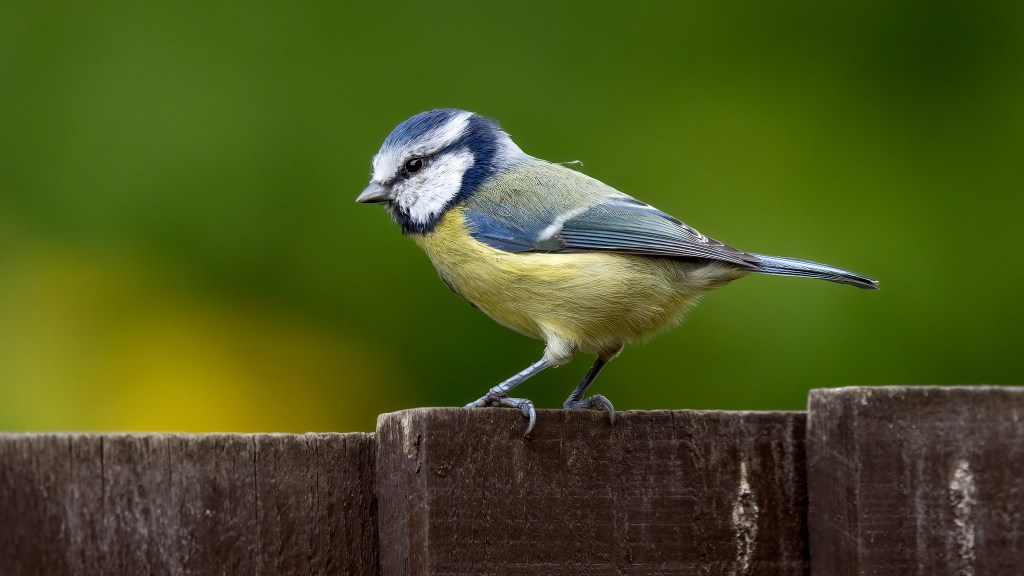
The Eurasian Blue Tit’s (Cyanistes caeruleus) vibrant appearance, acrobatic skills, and adaptability make it a delightful and resilient bird in our natural world.

The Eurasian Blue Tit is a small passerine bird that can be easily recognized by its striking blue and yellow plumage. Here are some key details about this delightful avian species:
Physical Characteristics:
- Size: The Eurasian Blue Tit measures approximately 12 cm (4.7 inches) in length, with a wingspan of 18 cm (7.1 inches) for both sexes.
- Coloration:
- The crown of the blue tit is a vivid azure-blue.
- A dark blue line passes through its eye, encircling the white cheeks and extending to the chin, giving it a distinctive appearance.
- The forehead and a bar on the wing are white.
- The nape, wings, and tail are blue, while the back is yellowish-green.
- The underparts are mostly sulphur-yellow, with a dark line down the abdomen.

Diet:
The Eurasian Blue Tit is primarily a carnivorous insectivore. Its diet includes:
- Insects (such as caterpillars, spiders, and beetles).
- Invertebrates.
- Occasionally, it may consume seeds and fruits.

Abundance and Distribution:
- Population Size: The exact population size of Eurasian Blue Tits remains unknown, but estimates suggest there are between 19 and 42 million pairs across their range.
- Habitat: These birds are widespread and common resident breeders throughout:
- Temperate and subarctic Europe.
- Parts of the Middle East.
- Preferred Habitats:
- Deciduous or mixed woodlands with a high proportion of oak.
- Shrubland with scattered trees.
- Hedgerows.
- They are also commonly found in parks, gardens, and even in the center of towns.

IUCN Red List Status:
The Eurasian Blue Tit is considered Least Concern by the International Union for Conservation of Nature (IUCN). Its population is stable and increasing, which is a positive sign for its conservation status.
For more information, you can explore the IUCN Red List and learn about the conservation status of various species.

EURASIAN BLUE TIT WAS LIFER #770

 Reflections of the Natural World
Leave a comment