Western Europe Birds & Birding (#32/52): From the Highland Willow Scrub of Scotland to the Aegean Islands in the Sea of Crete, Western Europe is home to over 800 resident, migratory and vagrant birds. From songbirds to gamebirds and from waterfowl to raptors, you can find birds virtually in every nook and cranny of this beautiful area. *All images showcased in this blog series were taken and edited by me.
A Reflections of the Natural World Blog Post Series by Jim Gain
The Rook is a resourceful and adaptable bird, thriving in various environments while maintaining a stable population.

Physical Characteristics:
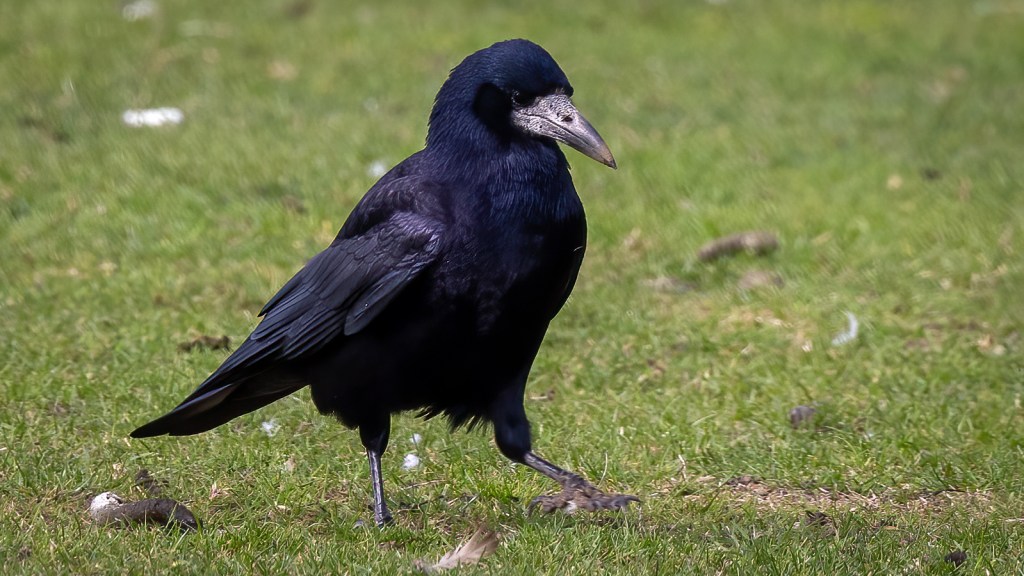
The Rook (Corvus frugilegus) is a medium-sized member of the crow family (Corvidae). Here are its key physical features:
- Size: Rooks measure around 45 to 47 centimeters in length.
- Coloration: Their plumage is predominantly black, with a slightly glossy sheen. The base of their bill is bare and pale, and their legs are also pale.
- Bill: The bill is sturdy and slightly curved, adapted for probing the ground for food.
- Feathers: Unlike the Carrion Crow, Rooks have a shaggy appearance due to their loose feathers around the throat and neck.
- Voice: Rooks emit a distinctive “kaa” or “kraa” call.

Diet:
Rooks are omnivorous and opportunistic feeders. Their diet includes:
- Invertebrates: They forage for insects, earthworms, and other small invertebrates in fields and grasslands.
- Grains and Seeds: Rooks are notorious for raiding agricultural fields, especially during sowing and harvesting seasons. They consume grains, seeds, and crops.
- Carrion: While they are not true scavengers like vultures, Rooks do feed on carrion when available.
- Fruits and Berries: They also enjoy fruits, berries, and other plant material.

Abundance and Distribution:
- Abundance: Rooks are common and widespread across their range.
- Distribution: They inhabit a vast area spanning from western Europe to western Asia. You can find them in agricultural landscapes, woodlands, and even urban areas.

IUCN Red List Status:
The Rook is currently assessed as Least Concern on the IUCN Red List. This status indicates that their population is stable, and they do not face immediate threats to their survival.
For more information, you can explore the IUCN Red List and learn about the conservation status of various species.

ROOK WAS LIFER #788

 Reflections of the Natural World
Leave a comment