Western Europe Birds & Birding (#27/52): From the Highland Willow Scrub of Scotland to the Aegean Islands in the Sea of Crete, Western Europe is home to over 800 resident, migratory and vagrant birds. From songbirds to gamebirds and from waterfowl to raptors, you can find birds virtually in every nook and cranny of this beautiful area. *All images showcased in this blog series were taken and edited by me.
A Reflections of the Natural World Blog Post Series by Jim Gain
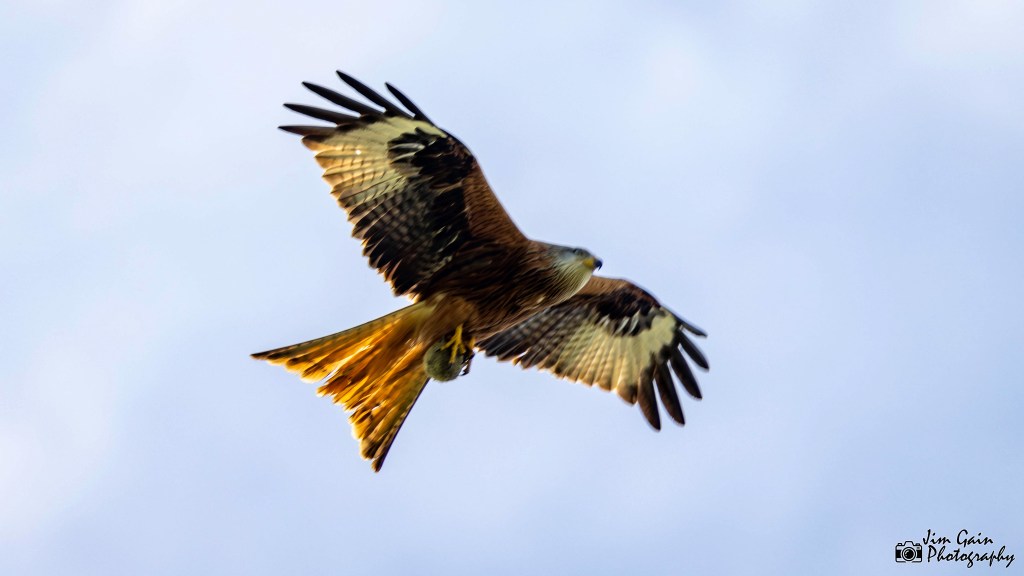
The Red Kite is an elegant bird with distinctive features:

Physical Characteristics:
- Size: It measures 60 to 70 cm (24 to 28 inches) in length.
- Wingspan: The wingspan spans 175–179 cm (69–70 inches).
- Weight:
- Males weigh between 800–1,200 g (28–42 ounces).
- Females are slightly heavier, ranging from 1,000–1,300 g (35–46 ounces).
- Appearance:
- The Red Kite has a rufous coloration on its body, upper tail, and wing coverts.
- It soars gracefully on long wings held at a dihedral, with a long forked tail that twists as it changes direction.

Diet:
The Red Kite is a carnivorous bird of prey. Its diet includes:
- Scavenging: It primarily feeds on carrion, often scavenging for dead animals.
- Opportunistic Hunting: Additionally, it opportunistically hunts small mammals, birds, and insects.
- Foraging Behavior: The kite is known for its graceful aerial foraging, gliding low over fields and woodlands in search of food.

Abundance and Distribution:
- Population Size: The total Red Kite population is estimated to be around 25,200–33,400 pairs, which translates to approximately 50,000–67,000 mature individuals.
- Geographical Range: The Red Kite is found across parts of Europe, including the United Kingdom, Spain, France, and Germany.
- Habitat: It prefers open countryside, woodlands, and areas near water bodies.

IUCN Red List Status:
Currently, the Red Kite is classified as Near Threatened (NT) on the IUCN Red List. Its numbers are decreasing, but it has not yet reached a critical status.
For more information, you can explore the IUCN Red List and learn about the conservation status of various species.

RED KITE WAS LIFER #761

 Reflections of the Natural World
Leave a comment