Western Europe Birds & Birding (#22/52): From the Highland Willow Scrub of Scotland to the Aegean Islands in the Sea of Crete, Western Europe is home to over 800 resident, migratory and vagrant birds. From songbirds to gamebirds and from waterfowl to raptors, you can find birds virtually in every nook and cranny of this beautiful area. *All images showcased in this blog series were taken and edited by me.
A Reflections of the Natural World Blog Post Series by Jim Gain
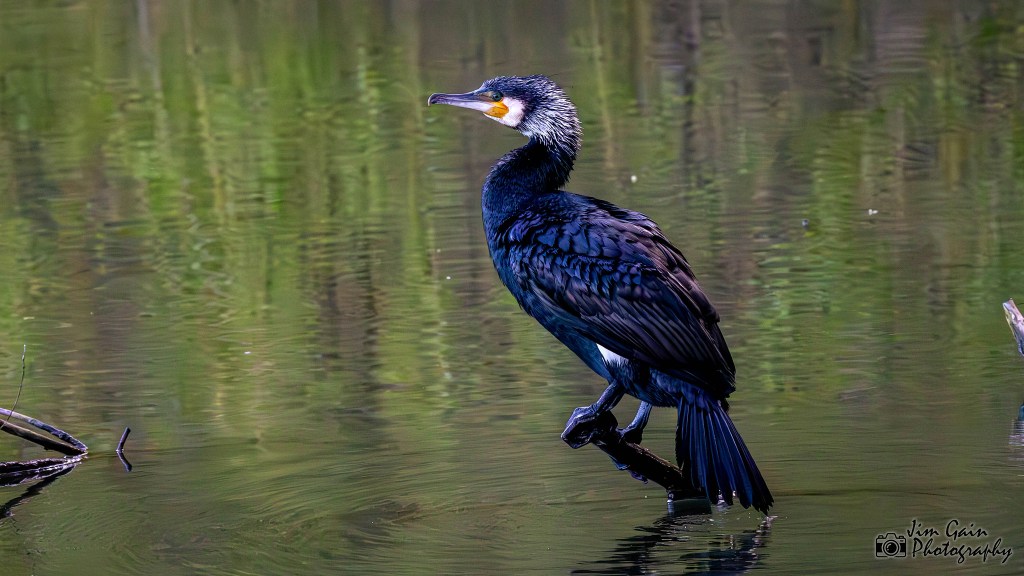
The Great Cormorant (Phalacrocorax carbo) is a large, heavy seabird with a long neck and tail, short legs, and broad wings.

Physical Characteristics:
The Great Cormorant is a large black bird, but its size varies across its wide range. Males are typically larger and heavier than females. Here are some key features:
- Size: It measures between 70 to 102 centimeters in length, with a wingspan of 121 to 160 centimeters.
- Appearance: Adults have white patches on their thighs and throat during the breeding season. In European waters, it can be distinguished from the Common Shag by its larger size, thicker bill, lack of a crest, and plumage without any green tinge. In eastern North America, it is similarly larger and bulkier than the Double-crested Cormorant, with more yellow on the throat and bill and lacking the white thigh patches frequently seen on Great Cormorants.


Diet:
The Great Cormorant is a carnivorous bird with a penchant for fish. Its diet predominantly consists of:
- Fish: Including sculpins, Capelin, gadids, and flatfish.
- Other Prey: Crustaceans, amphibians, mollusks, and nestling birds.

Abundance and Distribution:
- Geography: Great Cormorants occur throughout Europe, Asia, Australia, Africa, and northeastern coastal North America.
- Habitats: They frequent open marine environments, inland waters, sandy or rocky sheltered coasts, and estuaries. They are rarely seen far from the coast.
- Breeding Sites: These birds nest on cliffs, inshore islands, among boulders, and even man-made structures. Inland nesting occurs on trees, bushes, reedbeds, and bare ground.

IUCN Red List Status:
The Great Cormorant’s conservation status is as follows:
- Population Size: Approximately 1.4 to 2.1 million individuals.
- Life Span: Up to 23 years.
- Threats: Historically, it was hunted nearly to extinction due to competition with fishermen. However, conservation efforts have led to population recovery.
- IUCN Red List: The Great Cormorant is currently listed as Least Concern on the IUCN Red List.
For more information, you can explore the IUCN Red List and learn about the conservation status of various species.

GREAT CORMORANT WAS LIFER #777

 Reflections of the Natural World
Leave a comment