Western Europe Birds & Birding (#20/52): From the Highland Willow Scrub of Scotland to the Aegean Islands in the Sea of Crete, Western Europe is home to over 800 resident, migratory and vagrant birds. From songbirds to gamebirds and from waterfowl to raptors, you can find birds virtually in every nook and cranny of this beautiful area. *All images showcased in this blog series were taken and edited by me.
A Reflections of the Natural World Blog Post Series by Jim Gain
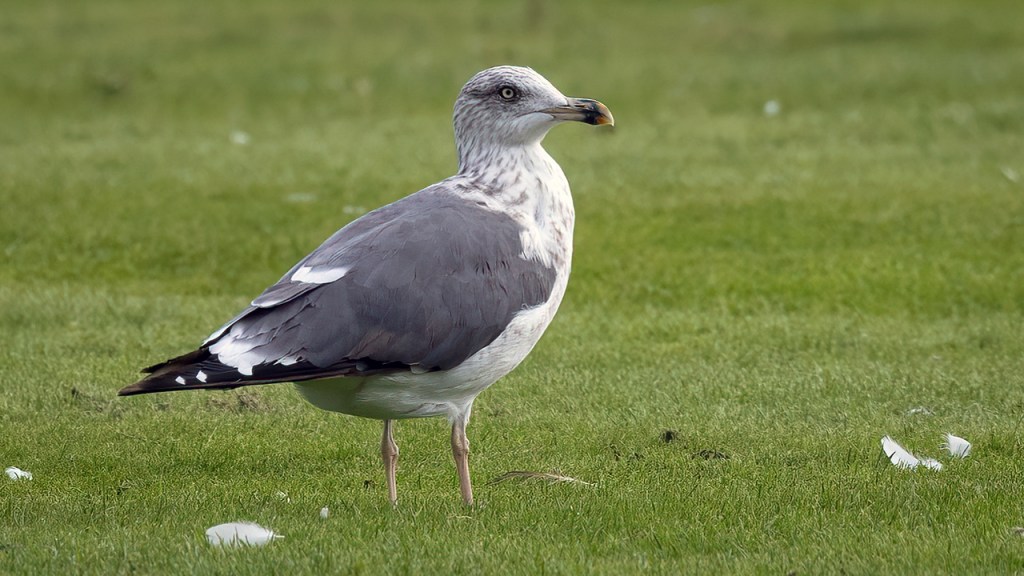
The Lesser Black-backed Gull (Larus fuscus) is a large gull that breeds along the Atlantic coasts of Europe.

Physical Characteristics:
The Lesser Black-backed Gull (Larus fuscus) is a large gull that breeds along the Atlantic coasts of Europe. Here are its key physical characteristics:
- Size: These gulls have a wingspan of around 4.5 to 5.2 feet (1.4 to 1.6 meters).
- Plumage: Their plumage is predominantly white, with a pale gray mantle (the upper part of the body). Their wings display a characteristic pattern of gray and white.
- Bill: The bill is yellow with a red spot near the tip.
- Legs: Their legs are pinkish in color.
- Eyes: The eyes are pale yellow.

Diet:
Lesser black-backed gulls are omnivores. Their diet includes fish (piscivores), terrestrial prey, and they are known to scavenge. They are also congregatory, often gathering in groups.

Abundance and Distribution:
Their distribution spans across Europe, North America, Asia, South America, and Africa. Historically, Lesser Black-backed Gulls were rare winter visitors to North America, but their presence has increased significantly. They are now common along the east coast and even appear year-round. On the west coast, they are annual winter visitors, with sightings reported across California, including the Salton Sea.

IUCN Red List Status:
The Lesser Black-backed Gull is classified as Least Concern by the IUCN Red List. Despite its once-rare status in North America, it has adapted and thrives in various regions.
For more information, you can explore the IUCN Red List and learn about the conservation status of various species.

LESSER BLACK-BACKED GULL WAS LIFER #318

 Reflections of the Natural World
Leave a comment