Western Europe Birds & Birding (#19/52): From the Highland Willow Scrub of Scotland to the Aegean Islands in the Sea of Crete, Western Europe is home to over 800 resident, migratory and vagrant birds. From songbirds to gamebirds and from waterfowl to raptors, you can find birds virtually in every nook and cranny of this beautiful area. *All images showcased in this blog series were taken and edited by me.
A Reflections of the Natural World Blog Post Series by Jim Gain
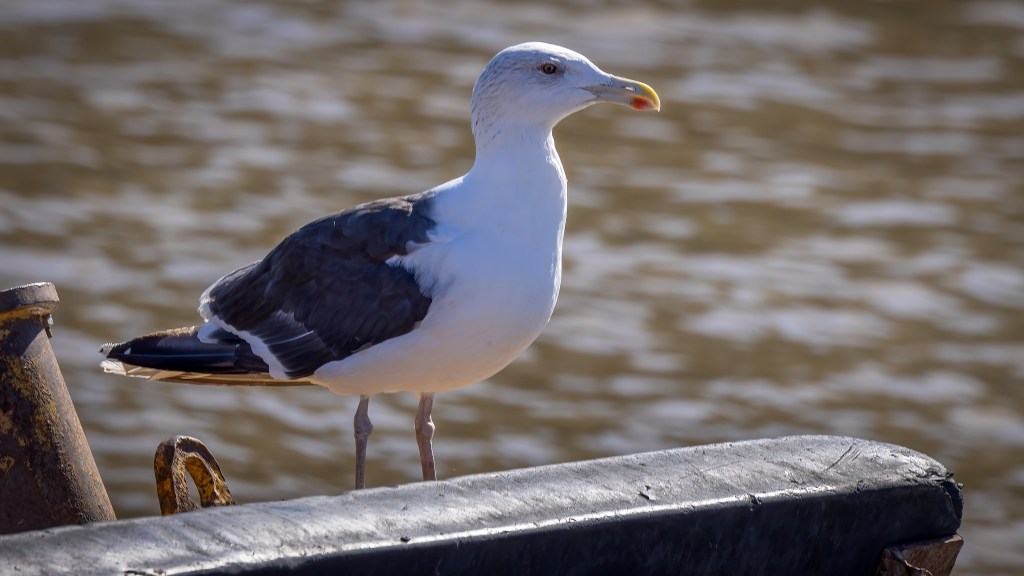
The Great Black-backed Gull (Larus marinus) is the largest gull in the world.

Physical Characteristics:
The Great Black-backed Gull (Larus marinus) is the largest member of the gull family. It boasts a powerful build, with a length ranging from 25 to 31 inches and an impressive wingspan of 4 feet 11 inches to 5 feet 7 inches. Their body weight varies between 1 lb 10 oz to 5 lb 1 oz. These gulls exhibit striking features, including broad black wings, a gleaming white head, and a substantial yellow bill.

Diet:
Great Black-backed Gulls are opportunistic feeders and apex predators. Their curiosity leads them to investigate any small organism they encounter, and they readily consume almost anything they can swallow. Their diet includes a wide range of prey, such as fish, crustaceans, mollusks, seabird chicks, and even adult birds like grebes and puffins.

Abundance and Distribution:
These majestic gulls breed across a vast expanse, from the extreme northwest portion of Russia through coastal Scandinavia, the Baltic Sea coasts, and the United Kingdom to Ireland and northwestern France. In North America, they inhabit Iceland, the Faroe Islands, southern Greenland, and the Atlantic coasts of Canada and the United States. During harsh winters, some populations migrate southward, wintering along the northern European coasts (from the Baltic Sea to southern Portugal) and occasionally venturing down to coastal Florida in North America. When the Baltic Sea freezes, they stay close to the ice boundary, and north of the Åland Islands, they migrate to open waters.
IUCN Red List Status:
The Great Black-backed Gull is classified as a species of Least Concern by the International Union for Conservation of Nature (IUCN). Despite their aggressive hunting behavior and dominance, their large population size—estimated to be between 500,000 to 1 million individuals—ensures their survival. These remarkable birds can live up to 27 years.
For more information, you can explore the IUCN Red List and learn about the conservation status of various species.
GREAT BLACK-BACKED GULL WAS LIFER #776

 Reflections of the Natural World
Leave a comment