Western Europe Birds & Birding (#16/52): From the Highland Willow Scrub of Scotland to the Aegean Islands in the Sea of Crete, Western Europe is home to over 800 resident, migratory and vagrant birds. From songbirds to gamebirds and from waterfowl to raptors, you can find birds virtually in every nook and cranny of this beautiful area. *All images showcased in this blog series were taken and edited by me.
A Reflections of the Natural World Blog Post Series by Jim Gain
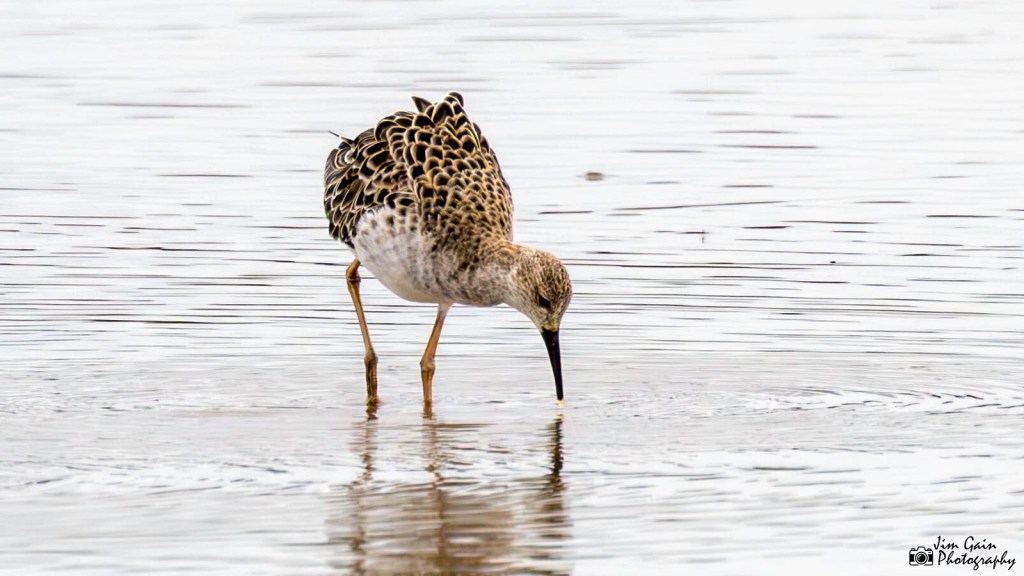
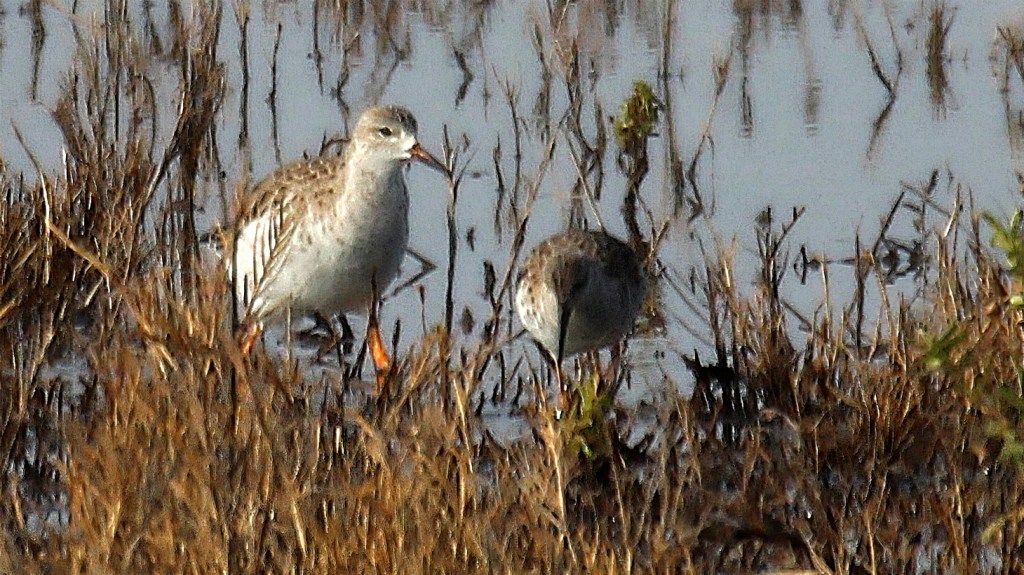
The Ruff (Calidris pugnax) is a fascinating wader bird with distinctive features.

Physical Characteristics:
The Ruff exhibits sexual dimorphism, with males and females displaying different plumage during the breeding season. Males have a striking appearance, with a ruff of elongated feathers around their necks, which they can puff up to attract females. Their plumage varies, with some males sporting a mix of black, white, and reddish-brown colors. Females and non-breeding males have more subdued plumage, typically brown or gray. Their legs are long and slender, adapted for wading in wetlands and marshes.
Diet:
Ruffs are omnivorous and feed on a variety of items. Their diet includes insects, worms, crustaceans, and plant matter. During the breeding season, males focus on high-protein foods to fuel their courtship displays.

Abundance and Distribution:
Ruffs breed across a vast area, spanning from Scandinavia to Siberia. They favor wetlands, marshes, and coastal habitats. Their migration routes extend to Africa, where they spend the non-breeding season. In North America, a regular stray near both coasts, less frequent in the interior. Found somewhat more often in fall than in spring. The abundance of Ruffs varies across their range, with some populations experiencing declines due to habitat loss and disturbance.

IUCN Red List Status:
The Ruff was assessed by the International Union for Conservation of Nature (IUCN) and as of the last assessment, it falls under the Least Concern category, indicating that it is not currently at immediate risk of extinction. However, conservation efforts are crucial to maintain their populations, especially considering the threats posed by habitat degradation and climate change.
For more information, you can explore the IUCN Red List and learn about the conservation status of various species.

RUFF WAS LIFER # 139

 Reflections of the Natural World
Leave a comment