Western Europe Birds & Birding (#13/52): From the Highland Willow Scrub of Scotland to the Aegean Islands in the Sea of Crete, Western Europe is home to over 800 resident, migratory and vagrant birds. From songbirds to gamebirds and from waterfowl to raptors, you can find birds virtually in every nook and cranny of this beautiful area. *All images showcased in this blog series were taken and edited by me.
A Reflections of the Natural World Blog Post Series by Jim Gain
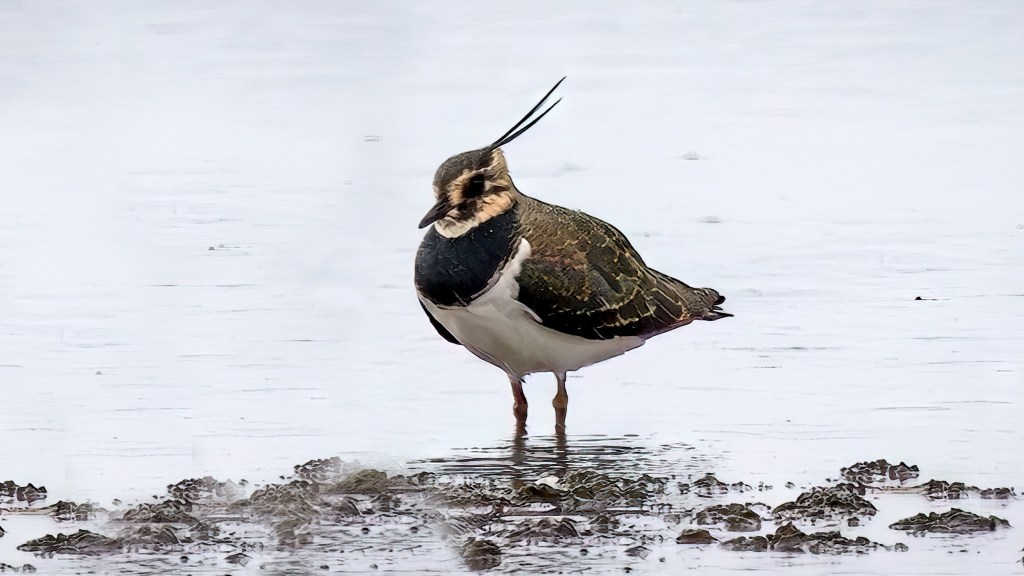
The Northern Lapwing (Vanellus vanellus) is a wading bird commonly found across temperate Eurasia.

Physical Characteristics:
The Northern Lapwing has rounded wings and a distinctive crest. It boasts a striking black-and-white plumage, with a greenish tint on its back. Males exhibit a long crest, a black crown, throat, and breast, contrasting with an otherwise white face.

Females and young birds have shorter crests and less pronounced head markings, but their overall plumage is similar.

Diet:
The Northern Lapwing, a creature of both land and water, thrives on a diet as diverse as the habitats it frequented. It feasts on insects, spiders, worms, and other invertebrates, plucking them from the soil with its sharp vision and quicker beak. Occasionally, it indulges in seeds and grains, a testament to its omnivorous nature.

Abundance and Distribution:
In terms of abundance, the Northern Lapwing is a common sight, forming flocks that can number in the hundreds, even thousands. These flocks are especially prominent from late summer through winter, painting the sky with their broad, rounded wings tipped in white. The bird’s distribution spans across Europe and Asia, with some venturing as far as North Africa during the winter months. However, it faces challenges, with numbers declining in some areas due to changes in land use.

IUCN Red List Status:
The IUCN Red List, a ledger of the living, has the Northern Lapwing listed as Near Threatened. Its populations have dwindled, not by natural predation, but by the hand of man—intensive agriculture, habitat loss, and other anthropogenic pressures.
For more information, you can explore the IUCN Red List and learn about the conservation status of various species.

NORTHERN LAPWING WAS LIFER # 805

 Reflections of the Natural World
Leave a comment