Western Europe Birds & Birding (#4/52): From the Highland Willow Scrub of Scotland to the Aegean Islands in the Sea of Crete, Western Europe is home to over 800 resident, migratory and vagrant birds. From songbirds to gamebirds and from waterfowl to raptors, you can find birds virtually in every nook and cranny of this beautiful area. *All images showcased in this blog series were taken and edited by me.
A Reflections of the Natural World Blog Post Series by Jim Gain

Physical Characteristics:
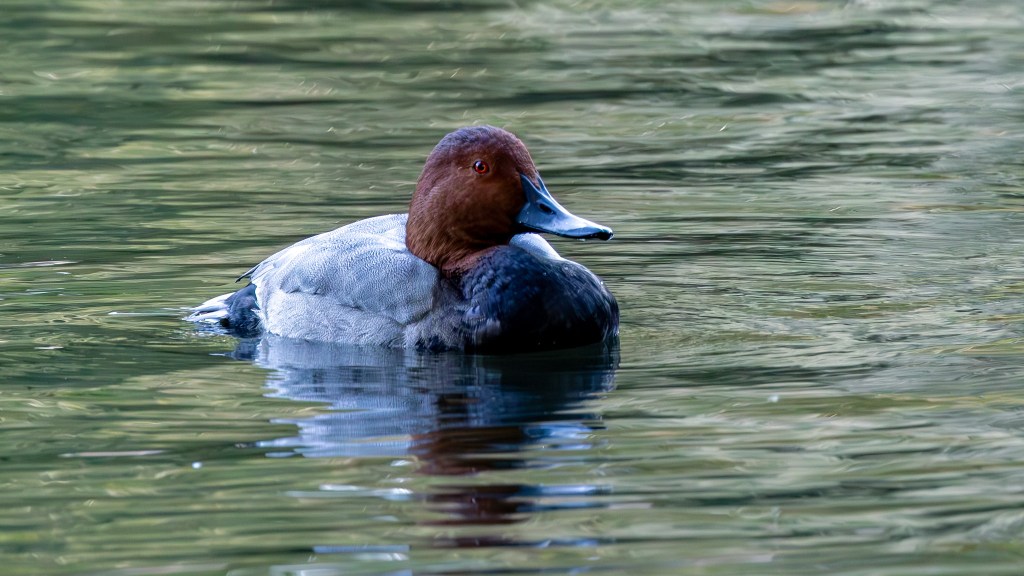
The Common Pochard is a medium-sized diving duck with distinctive features:
- Male: The male has a chestnut-brown head, a black breast, and a pale gray body. During breeding season, it exhibits a striking white stripe on its flanks.
- Female: The female is more subdued, with a brown head and a grayish-brown body. It lacks the white stripe seen in males.
- Both sexes have a blue-gray bill with a black tip.

Diet:
The Common Pochard is an omnivorous bird. Its diet includes: Seeds, Roots, Rhizomes and Vegetative parts of grasses and sedges.

Abundance and Distribution:
The Common Pochard has a large range during both the breeding season and winter. Its global population is estimated to be 760,000-790,000 mature individuals, which translates to approximately 1.14-1.18 million individuals in total. Three flyways are identified:
- North-East/North-West Europe: 100,000 mature individuals (150,000 total)
- Central & NE Europe/Black Sea & Mediterranean: 350,000 mature individuals (530,000 total)
- Western Siberia/South-West Asia: 310,000-330,000 mature individuals (460,000-500,000 total)
The European breeding population is estimated at 89,700-151,000 pairs (equivalent to 179,000-302,000 mature individuals or 270,000-450,000 total individuals).

IUCN Red List Status:
The Common Pochard is classified as Vulnerable. Information suggests that the population has rapidly declined across most of its range and is projected to continue declining. The species faces threats, and conservation efforts are crucial to its survival.
For more information, you can explore the IUCN Red List and learn about the conservation status of various species.
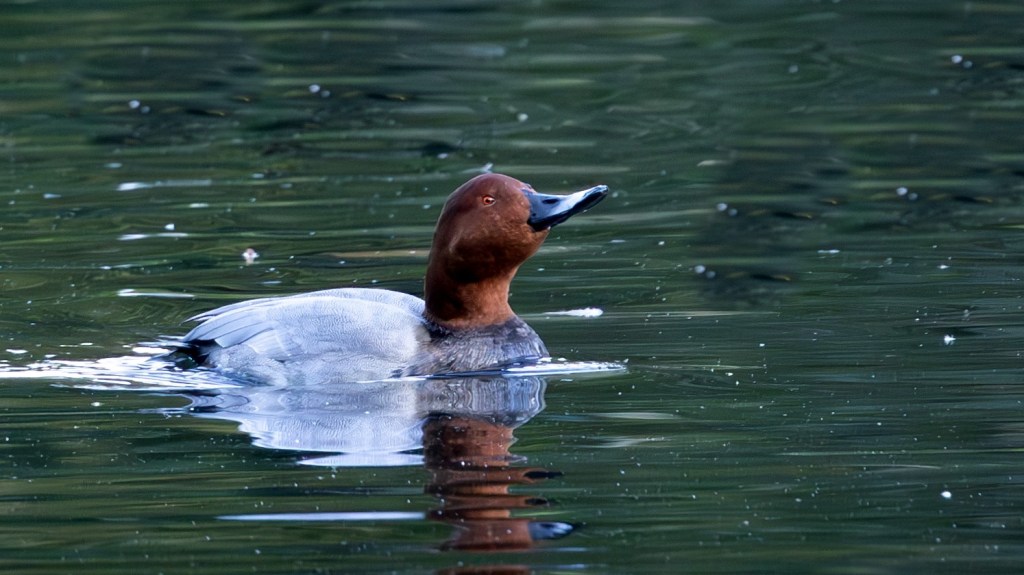
COMMON POCHARD WAS LIFER # 781

 Reflections of the Natural World
Leave a comment