
Western Europe Birds & Birding (#2/52): From the Highland Willow Scrub of Scotland to the Aegean Islands in the Sea of Crete, Western Europe is home to over 800 resident, migratory and vagrant birds. From songbirds to gamebirds and from waterfowl to raptors, you can find birds virtually in every nook and cranny of this beautiful area. *All images showcased in this blog series were taken and edited by me.
A Reflections of the Natural World Blog Post Series by Jim Gain
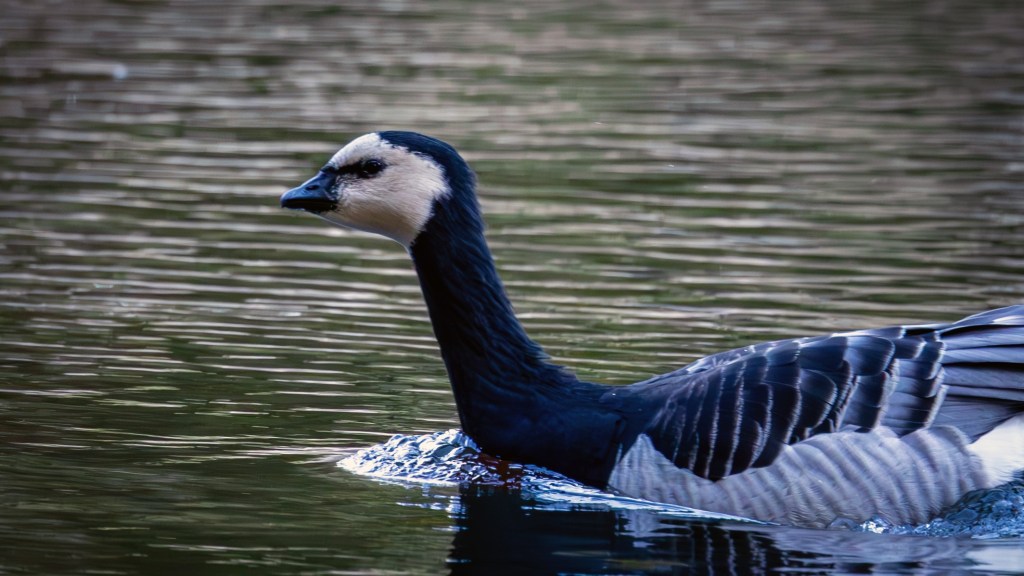
An attractive small goose, nesting on Arctic coasts from northeastern Greenland east to Siberia, and wintering in northwestern Europe. Greenland birds may occasionally go off course and reach northeastern North America. However, this is a popular aviary bird, and most Barnacle Geese seen on this continent have probably escaped from captivity.

Physical Characteristics:
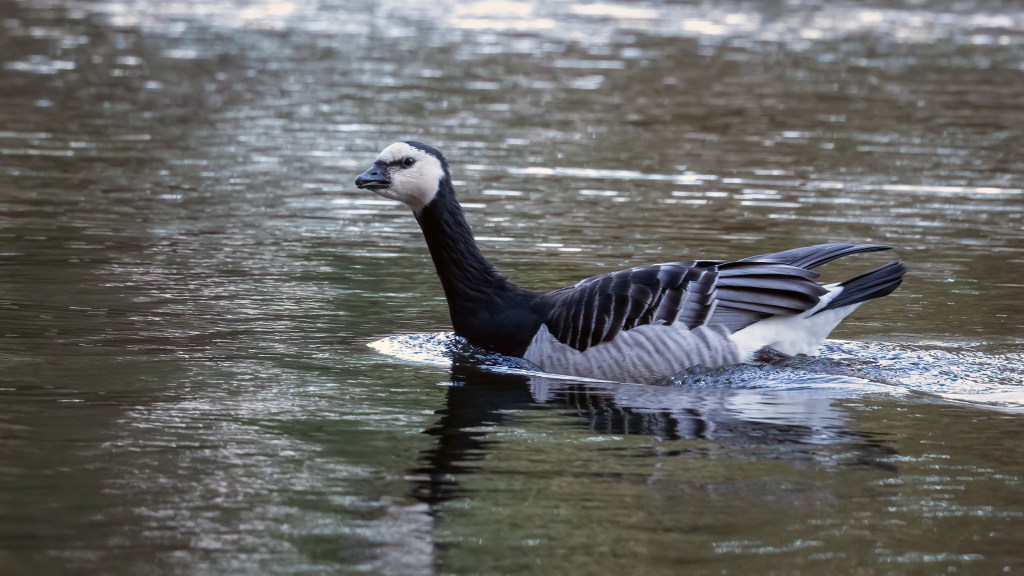
The Barnacle goose boasts a striking appearance. Its white face contrasts sharply with its black head, neck, and upper breast. The belly is pristine white. When in flight, the wings and back exhibit a silver-gray hue adorned with black-and-white bars that shimmer when sunlight dances upon them. Keep an eye out for the V-shaped white rump patch and the silver-gray underwing linings during flight.
Diet:
As a herbivore, the Barnacle goose has a varied diet. It primarily feeds on a diverse array of herbs and grasses. This makes it an essential seed disperser within its ecosystem.

Abundance and Distribution:
Barnacle geese occur in three primary populations, each with distinct breeding and wintering ranges:
- Eastern Greenland Population: Breeds in eastern Greenland.
- Svalbard Population: Breeds in Svalbard.
- Novaya Zemlya Population: Breeds in northern Russia and the extreme northeast of Europe (Novaya Zemlya).
Additionally, a fourth population has emerged since 1975, derived from the Novaya Zemlya group. These geese now breed on the islands and coasts of the Baltic Sea, including Estonia, Finland, Denmark, and Sweden. Occasionally, wild Barnacle geese may appear in the Northeastern United States or Canada.
IUCN Red List Status:
Currently, the Barnacle goose is classified as Least Concern (LC) on the IUCN Red List. Their numbers are increasing, and they are protected throughout their range. These resilient geese continue to thrive in their diverse habitats, contributing to the intricate balance of their ecosystems.
For more information, you can explore the IUCN Red List and learn about the conservation status of various species.

BARNACLE GOOSE WAS LIFER # 779

 Reflections of the Natural World
Leave a comment