
Saskatchewan Birds – Oiseaux in the Land of Living Skies – Post #12
Saskatchewan’s slogan, “The Land of Living Skies” could refer as much to its magnificent birdlife as it does to its awe-inspiring Northern Lights and spectacular thunderstorms experienced there. This centrally located Canadian Province’s “Land of Living Skies” is home to over 400 recorded oiseaux (Fr. bird) species. Using my personal photographs in a blog post format, viewers will learn about the natural history and conservation status of these interesting birds in the Land of Living Skies!
A Reflections of the Natural World Blog Post Series by Jim Gain

WHAT’S IN A NAME
Semipalmated Sandpiper – Calidris pusilla
Name Roots: (Gr. calidris, “a gray speckled sandpiper” – L. pusillos, “very small”)
PHYSICAL CHARACTERISTICS
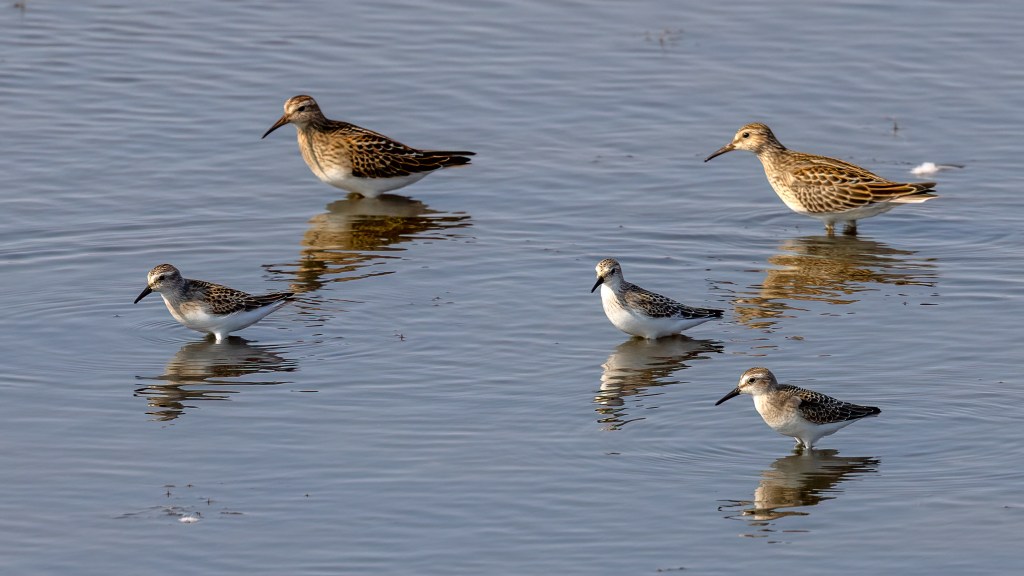
The Semipalmated Sandpiper is a small shorebird that measures 6 to 7 inches in length and has a wingspan of 14 inches. It has a short, straight bill and short legs. The bird’s plumage is brownish-gray on top and white underneath. It has black legs and a black bill with a slight curve and bulge at the tip. The bird’s feet are partially webbed, which is where it gets its name.
DISTRIBUTION & OCCURENCE IN THE LAND OF LIVING SKIES
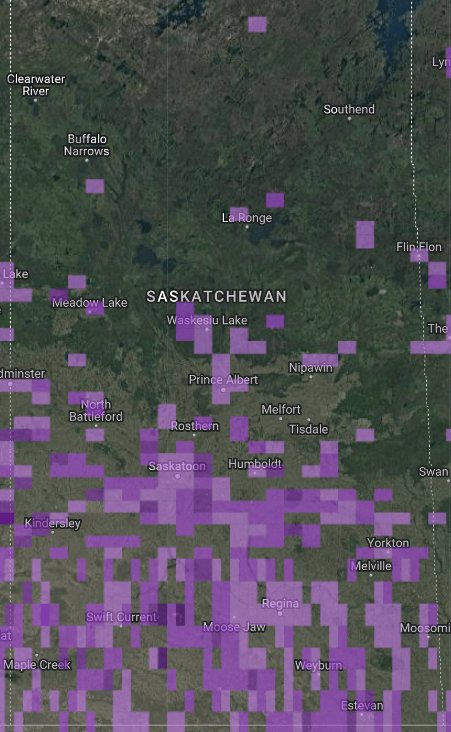
Semipalmated Sandpipers prefer open mudflats but can also be found in marshes and lake shores. In Saskatchewan, Semipalmated Sandpipers can be found in the southern part of the province.
eBird Bar Charts & Map Grid


CONSERVATION STATUS – International Union for Conservation of Nature (IUCN) Red List Category
The Semipalmated Sandpiper is classified as Near Threatened by the IUCN.
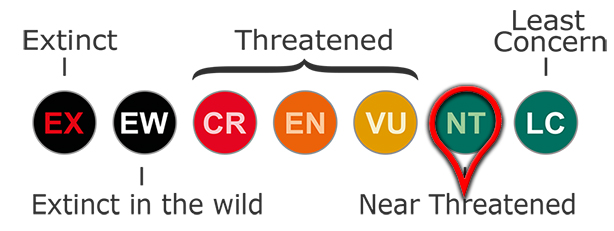
Redlist Classification Justification: This species is listed as Near Threatened because it is estimated to have undergone a moderately rapid decline over the past three generations (22 years). Over-exploitation in the non-breeding range (in particular in Suriname) may be the principal driver of declines, with eastern-breeding populations also potentially declining due to reduced food supply at key staging sites and changes in arctic breeding habitat, but further information on the rate and drivers of declines is needed.

 Reflections of the Natural World
Leave a comment