Adventures in Arkansas Blog Series: Post #5

On the second anniversary of my sister’s translocation from California to Fairfield Bay, Greers Ferry Lake, Arkansas, I finally set foot in “The Natural State” to pay her and the rest of the family a long-overdue visit. When it comes to its avian life, Arkansas is a state with a rich and diversified natural heritage. The state’s location in the south-central United States, along with its varied habitats, such as forests, fields, wetlands, and mountains, make it a hotspot for birdwatching and conservation.
Adventures in Arkansas is a Reflections of the Natural World Blog Post Series by Jim Gain
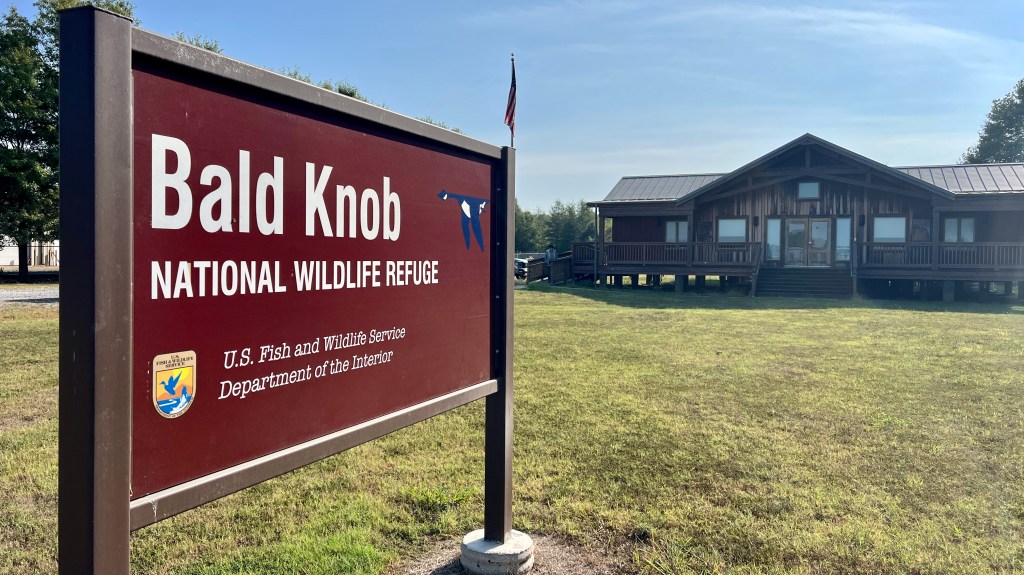
First Stop: Bald Knob National Wildlife Refuge
We left early and drove to the town of Bald Knob to catch breakfast at McDonald’s and then on to explore the Number 1 rated eBird hotspot, Bald Knob NWR, in Arkansas. With almost 300 species observed, it seemed the best place to focus on for birding this morning.
Acquired as part of the North American Waterfowl Management Plan, this refuge provides a winter home for large concentrations of many species of ducks and geese. Bald Knob NWR is a cross section of cypress tupelo brakes, oxbow lakes, bottomland hardwoods, and agricultural fields. This variety of habitats supports a tremendous array of plants and animals throughout the year.
Loop One – Fields North of Silos
For the first half hour we drove slowly towards and around the cells north of the Silos. Unfortunately we missed the best shorebird habitat by about a week as the flooded fields were no longer flooded. Some of the periphery ditches had water and a couple of the fields had a small amount of standing water which attracted a good number of herons and egrets.
As we were stopped at a spot listening, I heard the chatter of a Marsh Wren. I grabbed one distant shot and then heard another wren. I mentally checked it off as another Marsh Wren and didn’t give it much thought. As we continued to creep along I heard another wren, and then another and another. I went to update my eBird checklist and when I entered 5 “Marsh Wrens” it flagged that number as Rare. Then I looked at my Merlin App and noticed SEDGE WREN lighting up over and over. So I pulled up my binoculars and realized that we were surrounded my a wren that I did not have a single photograph of. I had encountered one, once before in Texas, but that was my only ever sighting of one. As is typical of many birds that are the subject of a photographers attention, I started with a long-distance “Record Shot” and then crept steadily closer and closer always trying for the Perfect 10 image. Not sure if I really got a “Perfect 10” shot, but I did score a couple of 9’s.


We walked along the road enjoying the continual serenade of buntings, cardinals, chickadees, wrens, catbirds and titmice. One White-eyed Vireo can relatively close to the road, followed by another. I assumed (I know you shouldn’t assume…) they were both White-eyed Vireos. As I have many very good White-eyed Vireo photographs, they didn’t grab my attention much. I snapped several images of both birds and they eventually worked their way back into the forest.


Once I got back into the car to take a quick check on my LCD back panel, I immediately noticed the gray cap, solid eyeline and yellowish belly of a PHILADELPHIA VIREO.


Loop Two – Over Flow creek loop south of Huntsman Rd.
After a stop at the Administrative offices for a restroom break and to gather information from the refuge personel, we headed back to the Silos, but this time to take a southern loop along Over Flow Creek. Just as I started a new eBird checklist, I noticed movement out the side of my window (south) and spotted a Wilson’s Snipe just above the edge of the water. I called it out to Gary and Jan, and then the true Snipe Hunt started. Due to their exquisite camouflage, it took a few anxious minutes to get both of them on the bird. Or I should say, “the birds” as we espied a second nearby.


A short distance ahead of the snipe a Sora, stepped out of the deep shadows and posed for us briefly. In amongest a flock of Turkey Vultures was a roosting Black Vulture.


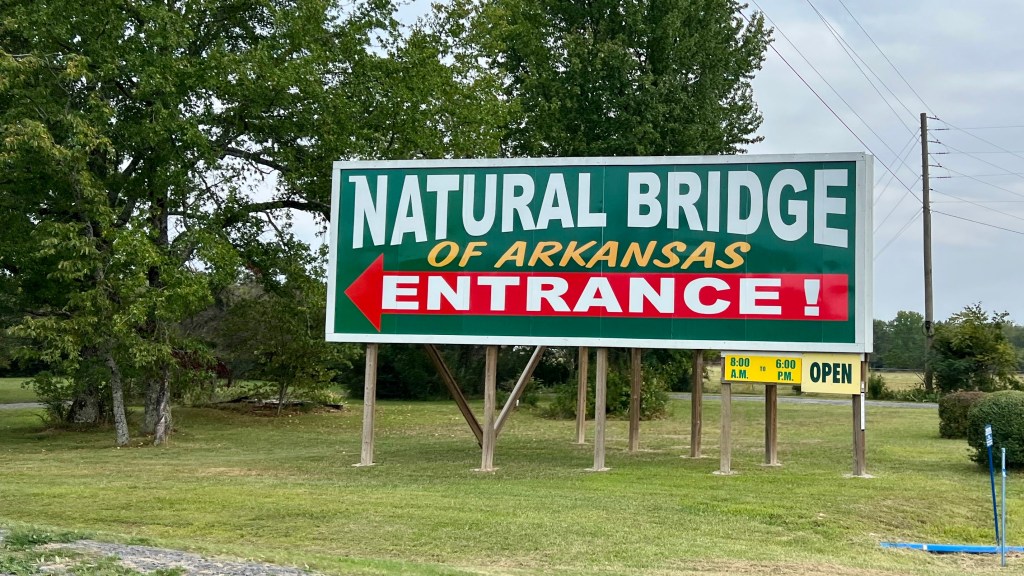
Third Stop – Natural Bridge of Arkansas
After traveling down a very interesting road you reach a parking lot at the bottom. At one end there is a log cabin built in 1871, according to a sign above the door. The cabin is the entrance to the bridge area and also contains a gift shop. Be sure to look at the covered wagon and old well sitting there. Note the natural formations along the way as well.
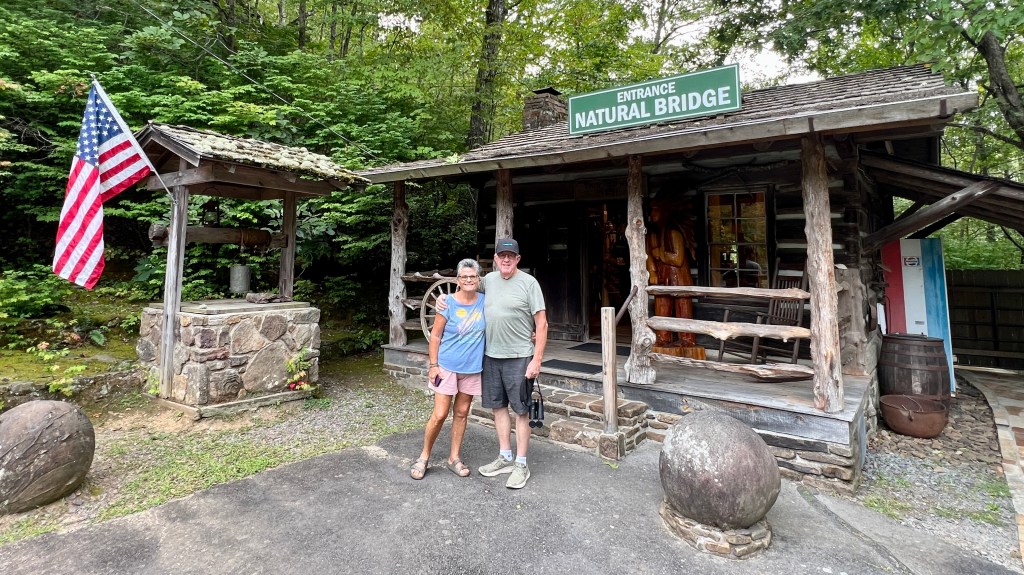
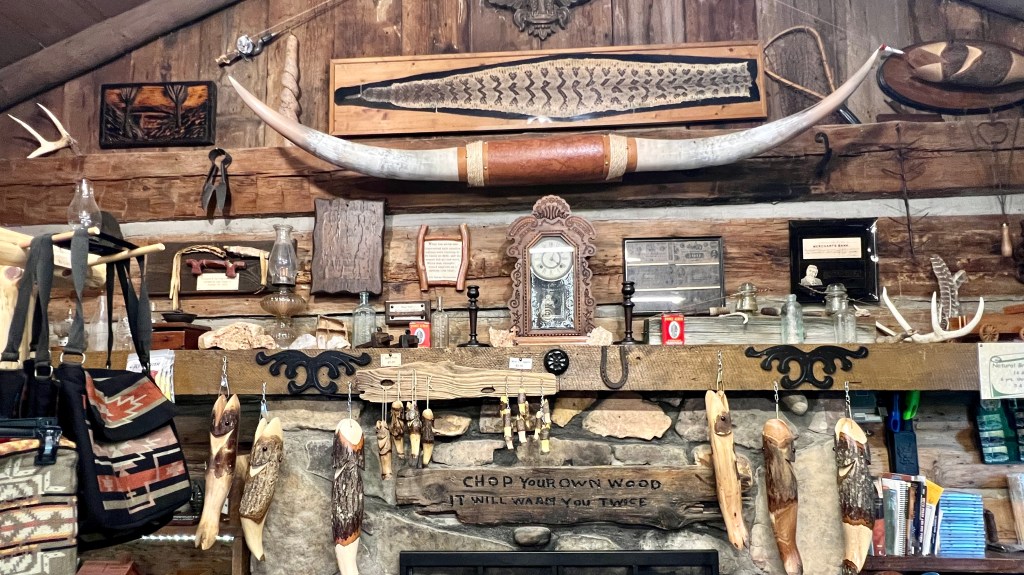
The main slab, supported by two buttresses of stone, is about 120 feet long and over twelve feet off the ground. Situated in a quiet forest area (hazelwood, birch, pine), it is a pretty place to visit, hear some bird calls, smell the forest duff and greenery, and get off the road for half an hour or so.


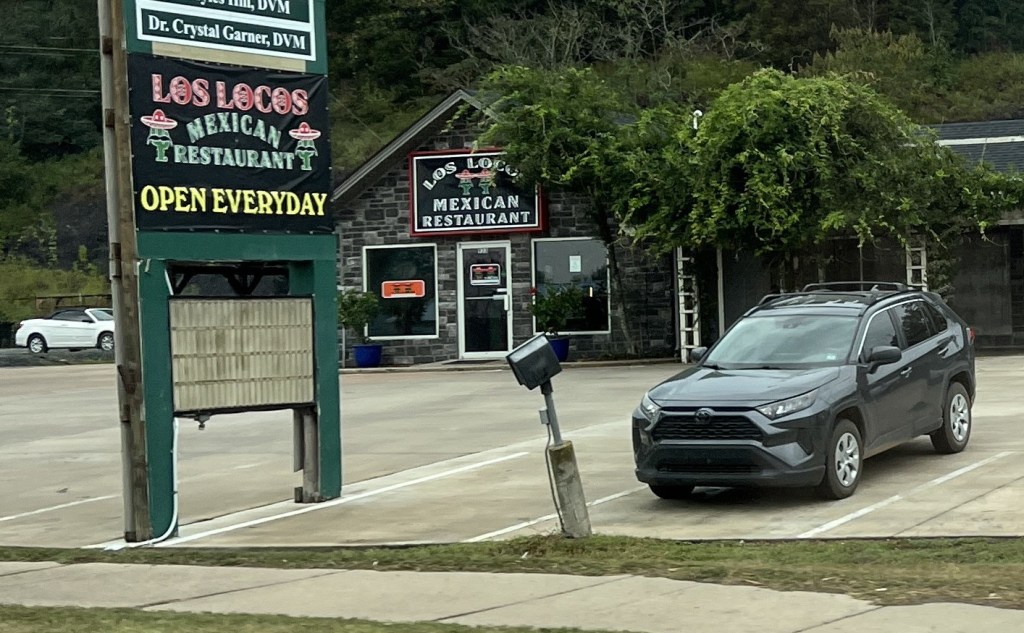
LOS LOCOS MEXICAN RESTAURANT – CLINTON, AR
Probably the best Mexican Food I’ve had outside of Mexico and California!


At the end of the day back at the Hartley Wildlife Center, we had more of the usual suspects; Indigo Buntings (female), Ruby-throated Hummingbirds, Chipping Sparrows and White-breasted Nuthatches.


…with one unexpected surprise, a RED-EYED VIREO!


Previous Adventures in Arkansas Posts

 Reflections of the Natural World
Leave a comment