SASKATCHEWAN BIRDS – OISEAUX IN THE LAND OF LIVING SKIES – Blog Post #5 in the Series
Saskatchewan’s slogan, “The Land of Living Skies” could refer as much to its magnificent birdlife as it does to its awe-inspiring Northern Lights and spectacular thunderstorms experienced there. This centrally located Canadian Province’s “Land of Living Skies” is home to over 400 recorded oiseaux (Fr. bird) species.
A Reflections of the Natural World Blog Post Series by Jim Gain

WHAT’S IN A NAME
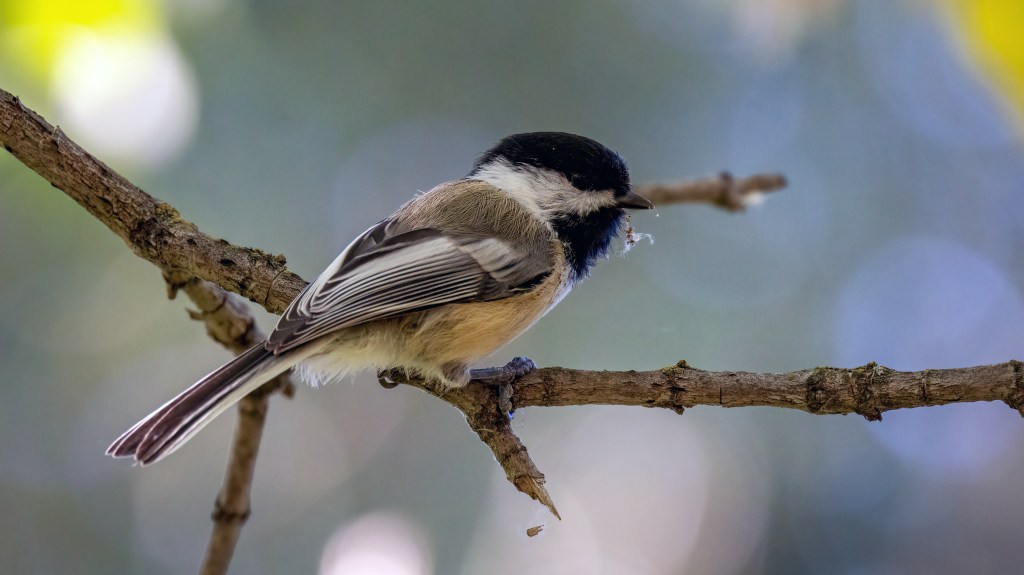
Black-capped Chickadee – Poecile atricapillus
Name Roots: (Gr. poikilos colourful, varied, unknown small bird) (L. ater, “black”; capillus, “hair of the head”)
PHYSICAL CHARACTERISTICS
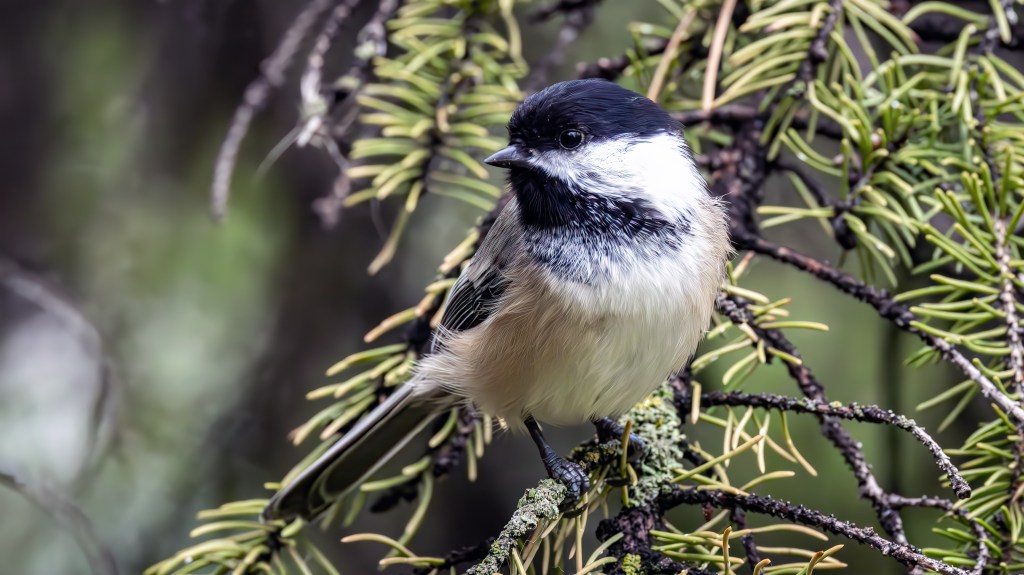
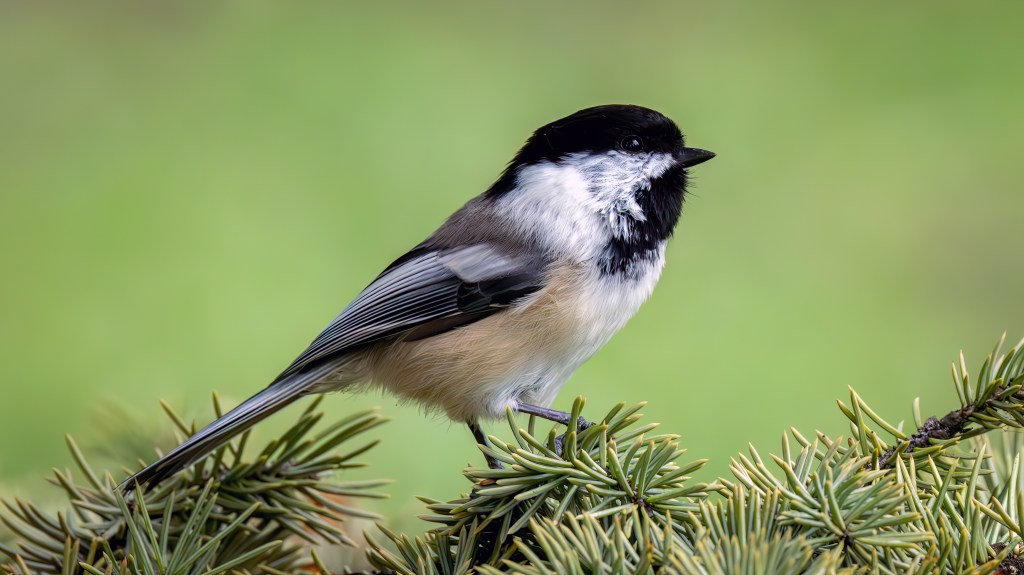
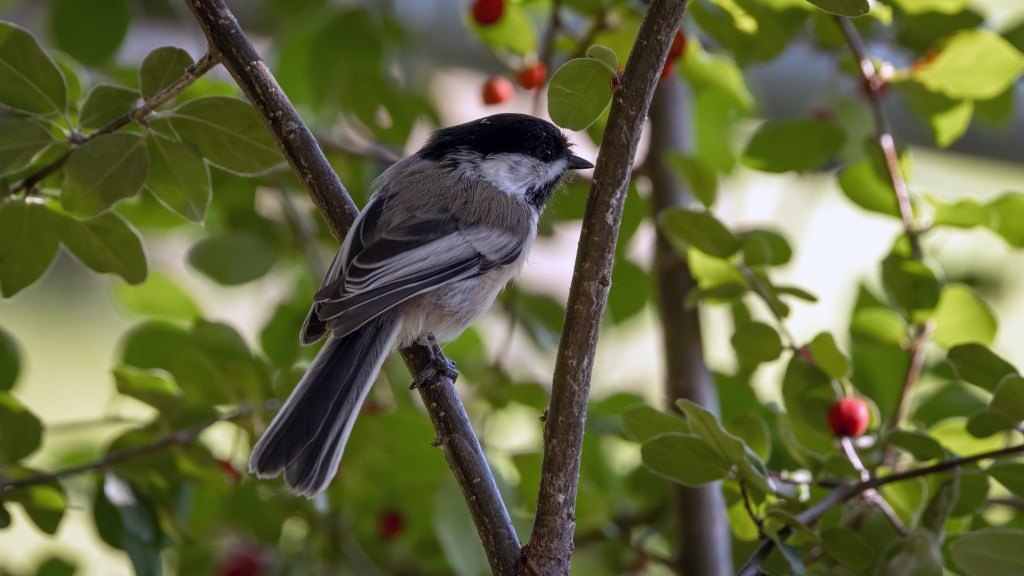
The Black-Capped Chickadee is named for its striking color pattern. It has a black head and neck, with white patches on the sides of the face. Its underparts are white with rusty brown on the flanks. Its back is gray and the tail is normally slate gray. The Black-capped Chickadee is a small bird, weighing less than half an ounce. It is less than 6 inches in length and has a wingspan of 6 to 8 inches. This bird has a short dark beak of 8-9.5 mm (0.31-0.37 in), short, rounded wings, and a long tail of 58-63 mm (2.3-2.5 in).
DISTRIBUTION & OCCURENCE IN THE LAND OF LIVING SKIES
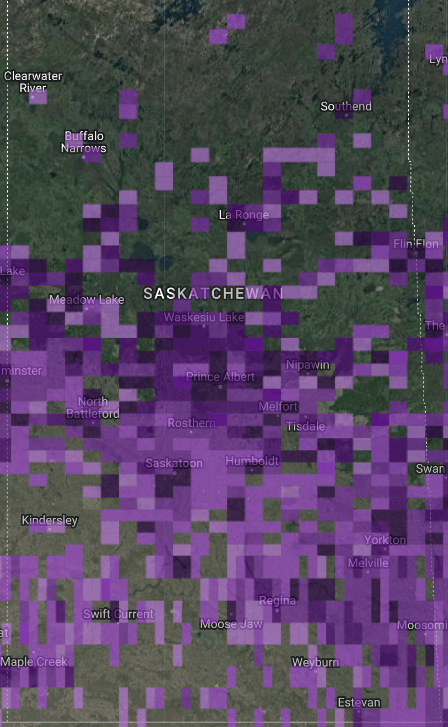
Black-capped Chickadees prefer deciduous and mixed forests, although they also frequent parks, backyards, and thickets.. They are associated with well-wooded areas but prefer the forest edge to the interior and usually occur within a few hundred feet of edges and clearings.
eBird Bar Charts & Map Grid

CONSERVATION STATUS
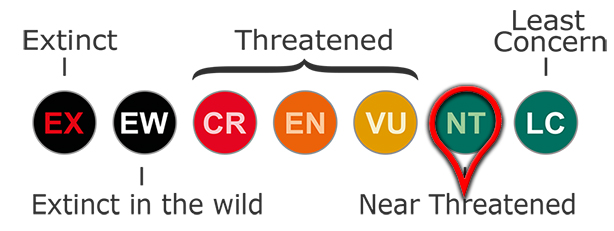
International Union for Conservation of Nature (IUCN) Red List Category
The Black-capped Chickadee (BCCH) is classified as Least Concern by the IUCN.
Redlist Classification Justification: This species has an extremely large range, the population trend appears to be increasing, and the population size is extremely large. For these reasons the species is evaluated as Least Concern.

 Reflections of the Natural World
Leave a comment