

- Scientific Name: Rostrhamus sociabilis
- Name in Spanish (Mexico): Gavilán Caracolero
- ABA 4-Letter Bird Code: SNKI
- Family: Accipitridae – Hawks, Eagles, and Kites
- Order: Accipitriformes – Diurnal Birds of Prey

About this Species
The Snail Kite (Rostrhamus sociabilis) is a medium-sized raptor species that is endemic to the Americas. Males are slate gray with red eyes and orange legs, which turn more reddish during breeding season. Females are brown with red eyes and yellow to orange legs, with varying amounts of white streaking on the face, neck, and chest. Young snail kites are similar in appearance to females except with more cinnamon or buff-colored streaks instead of white (Sykes et al. 1995).

However, the most distinguishing feature of the Snail Kite is its hooked beak, which it uses to feed almost exclusively on apple snails. The bird’s specialized diet means that it is restricted to marshes and other wetland habitats where apple snails are abundant.
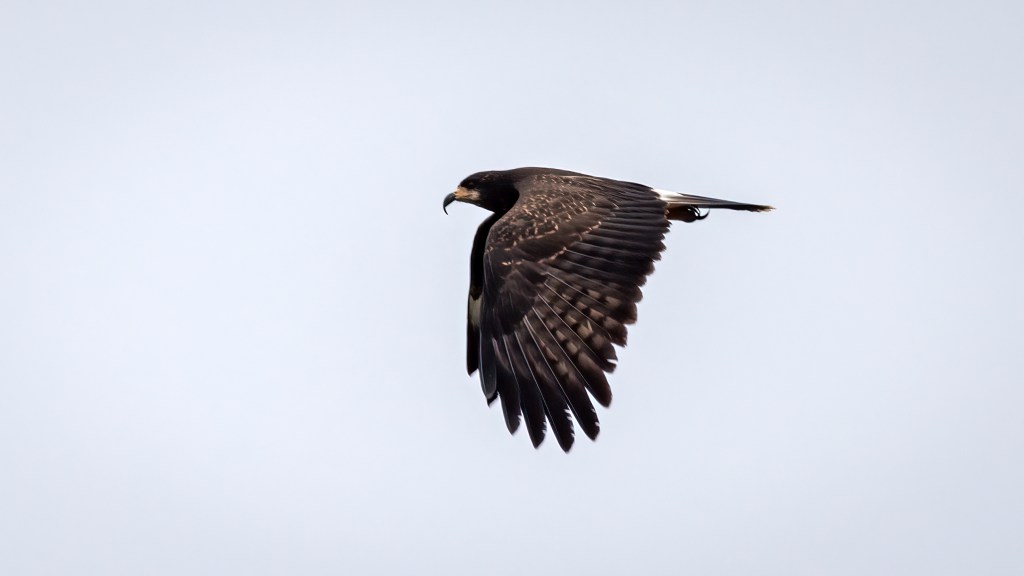
In Belize, the Snail Kite is primarily found in freshwater marshes, wetlands, and slow-moving rivers in the northern and central regions of the country. The bird’s distribution in Belize is limited to a few key areas, such as Crooked Tree Wildlife Sanctuary, the New River Lagoon, and the Sibun River Valley. However, these areas provide ample habitat for the species, and the bird is relatively common within its range in Belize.
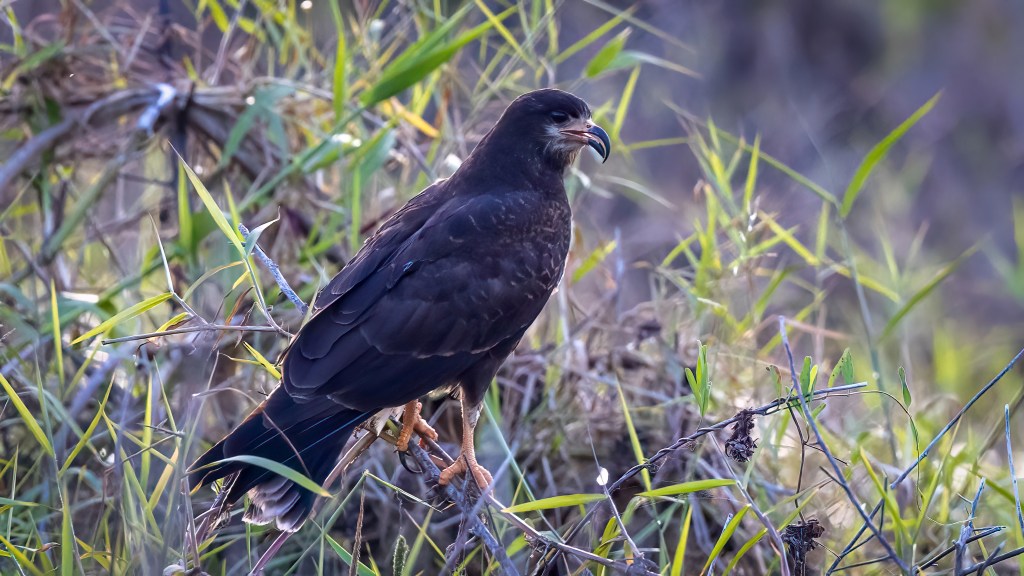
The natural history of the Snail Kite is intricately linked to the apple snail, which makes up almost 100% of its diet. The bird uses its specialized beak to extract the snail from its shell before consuming it. The bird is also known to cache snails by impaling them on sticks or other vegetation in the water, creating a food store that it can access when needed. The bird is monogamous and pairs form long-lasting bonds, typically nesting in tall vegetation near the water’s edge. Snail Kites are known to be opportunistic predators, feeding on other prey items such as frogs, insects, and fish when apple snails are scarce.
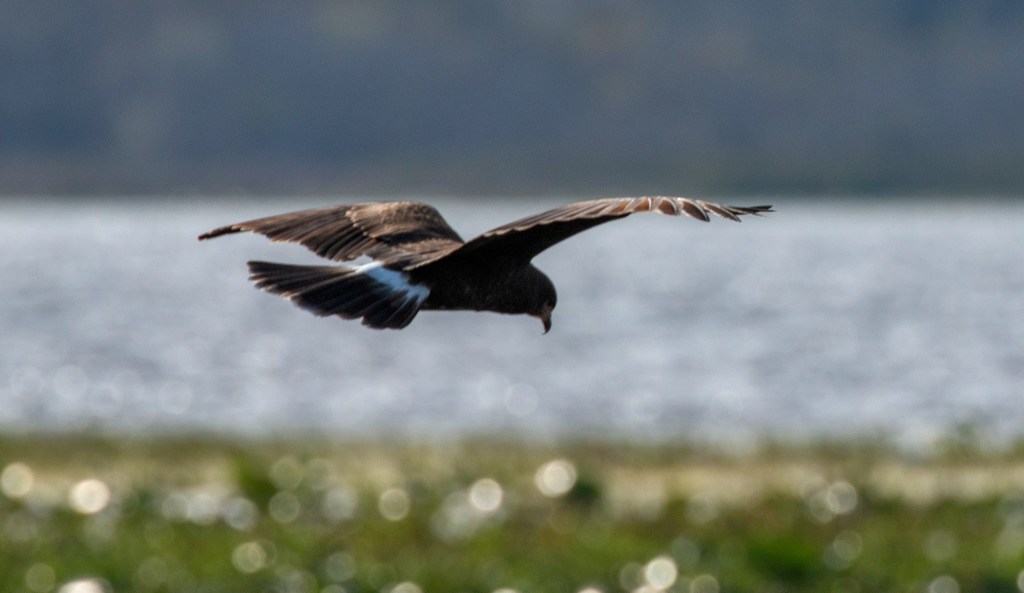
Overall, the Snail Kite is an important species in Belize, where it is relatively common and provides important ecological services by controlling the population of apple snails. However, like many wetland species, the Snail Kite is threatened by habitat loss, pollution, and climate change, highlighting the need for conservation efforts to protect this important bird species.
>> Next Post on Tuesday, 8/22/2023 – Boat-billed Heron
Previous posts from Beautiful Birds of Belize Blog

 Reflections of the Natural World
Leave a comment