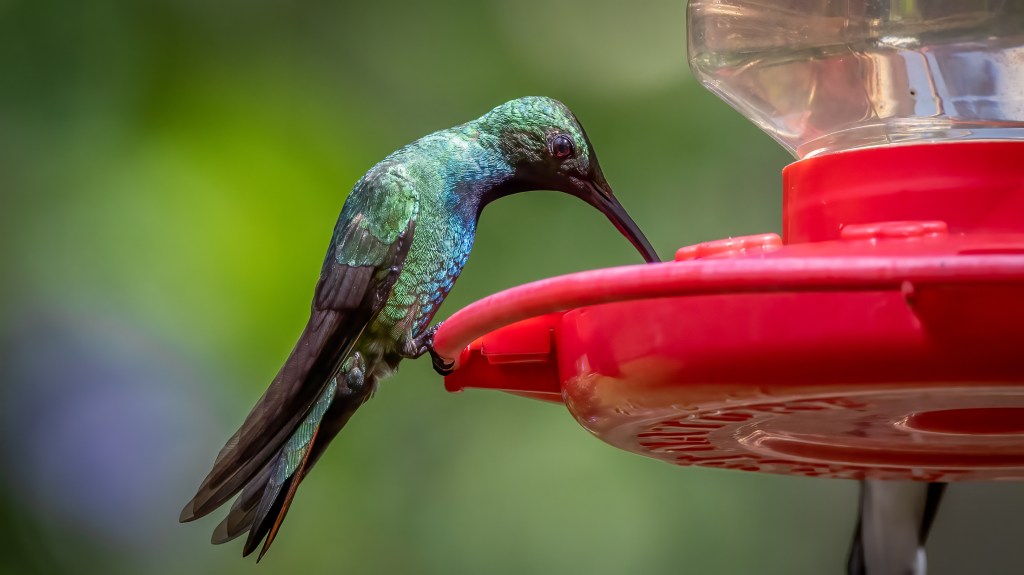

- Scientific Name: Anthracothorax prevostii
- Name in Spanish (Mexico): Colibrí Garganta Negra
- Name in Mayan: X ts’unu’um
- ABA 4-Letter Bird Code: GBMA
- Family: Trochilidae – Hummingbirds
- Order: Caprimulgiformes – Nightjars, Swifts and Hummingbirds

About this Species
The Green-breasted Mango (Anthracothorax prevostii) is a small hummingbird species found in Belize and other parts of Central America. This bird is named after its brilliant green breast feathers and its scientific name honors the French naturalist, Florent Prévost. The males have a shiny green body with a black throat, while the females have a duller green coloration with a white throat.

These birds inhabit a variety of habitats including forests, gardens, and parks. They are known for their impressive aerial acrobatics and can hover in mid-air, fly backwards, and dart from flower to flower with ease. Their primary diet consists of nectar from flowers, which they extract with their long, thin beaks, but they also occasionally feed on small insects and spiders.

During breeding season, male Green-breasted Mangos will perform elaborate courtship displays, which involve singing and hovering in front of females. After mating, females will lay two small white eggs in a nest made of soft plant materials and spider webs. Incubation lasts about two weeks, and the young hatch as naked, blind chicks. They are fed a diet of regurgitated nectar and insects by their parents until they fledge the nest after about three weeks.
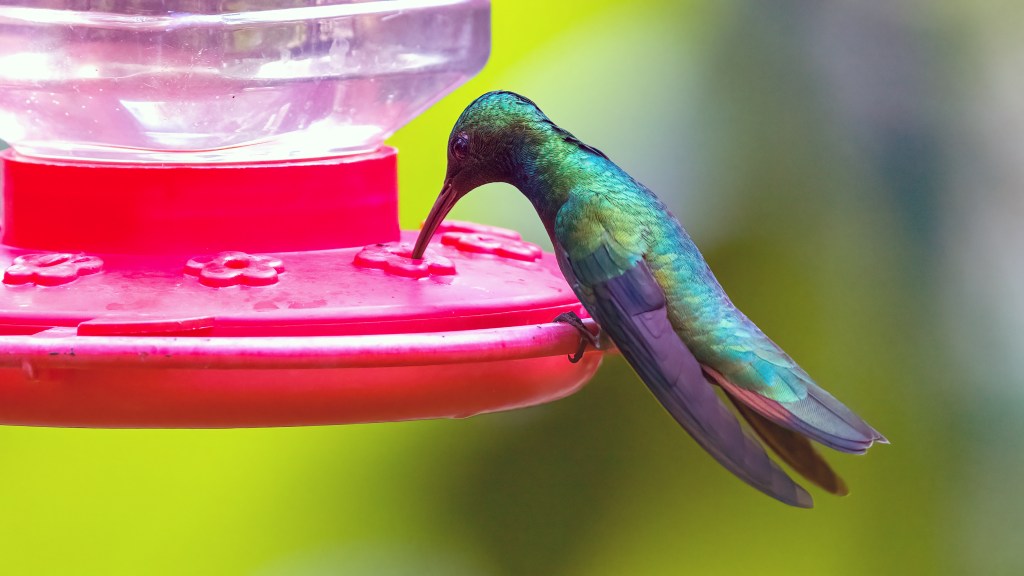
The Green-breasted Mango is a fascinating bird species to observe in the wild, and its bright colors and unique behaviors make it a favorite of birdwatchers and nature enthusiasts alike.
>> Next Post on Tuesday, 6/20/2023 – White Hawk
Previous posts from Beautiful Birds of Belize Blog


 Reflections of the Natural World
Leave a comment