By Jim Gain

Learn 100 Common Valley Birds is a photo blog series highlighting the 100 most common Valley bird species.
Post #5 in the Learn 100 Common Valley Birds series. (Species 9/100.)
About Juncos
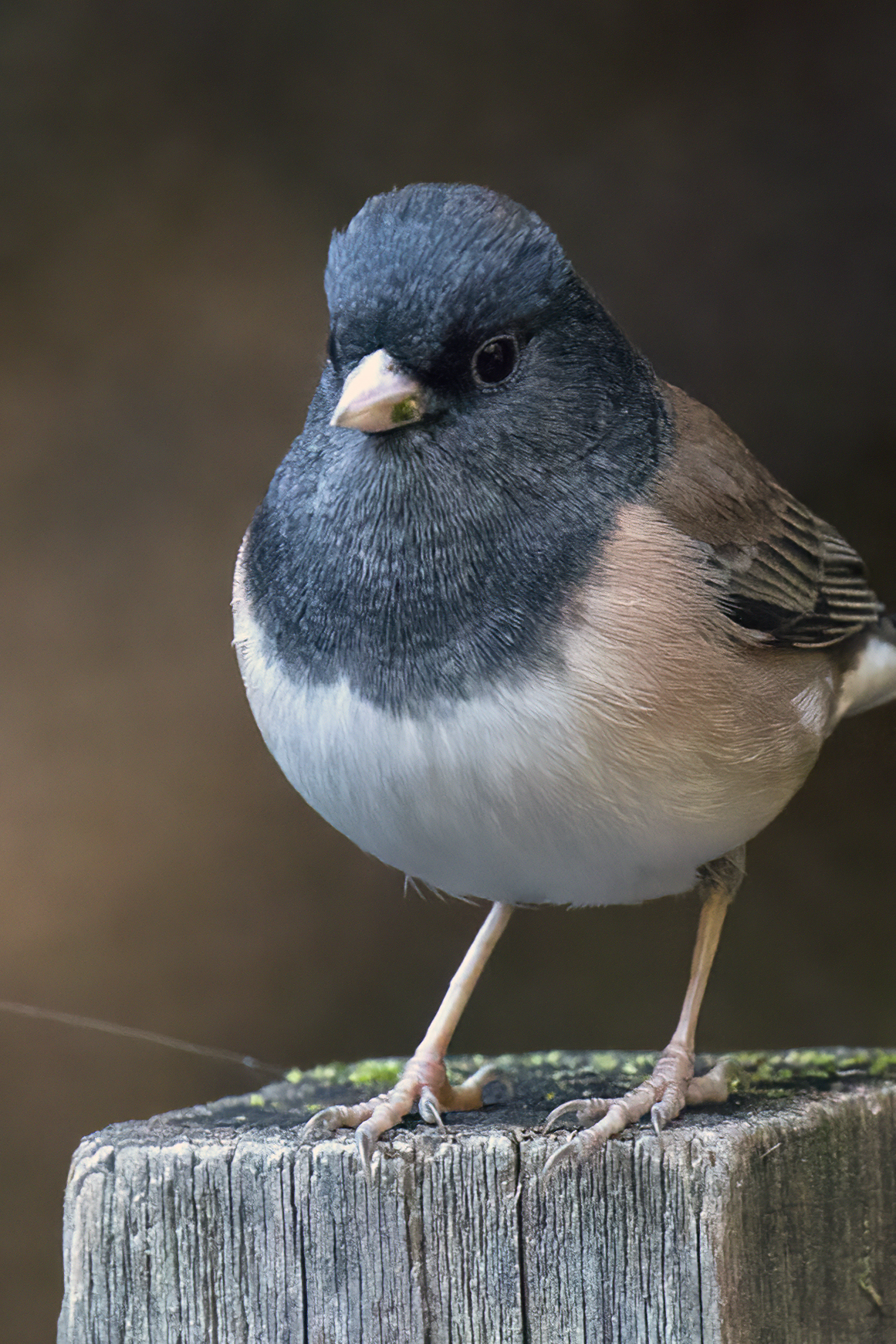
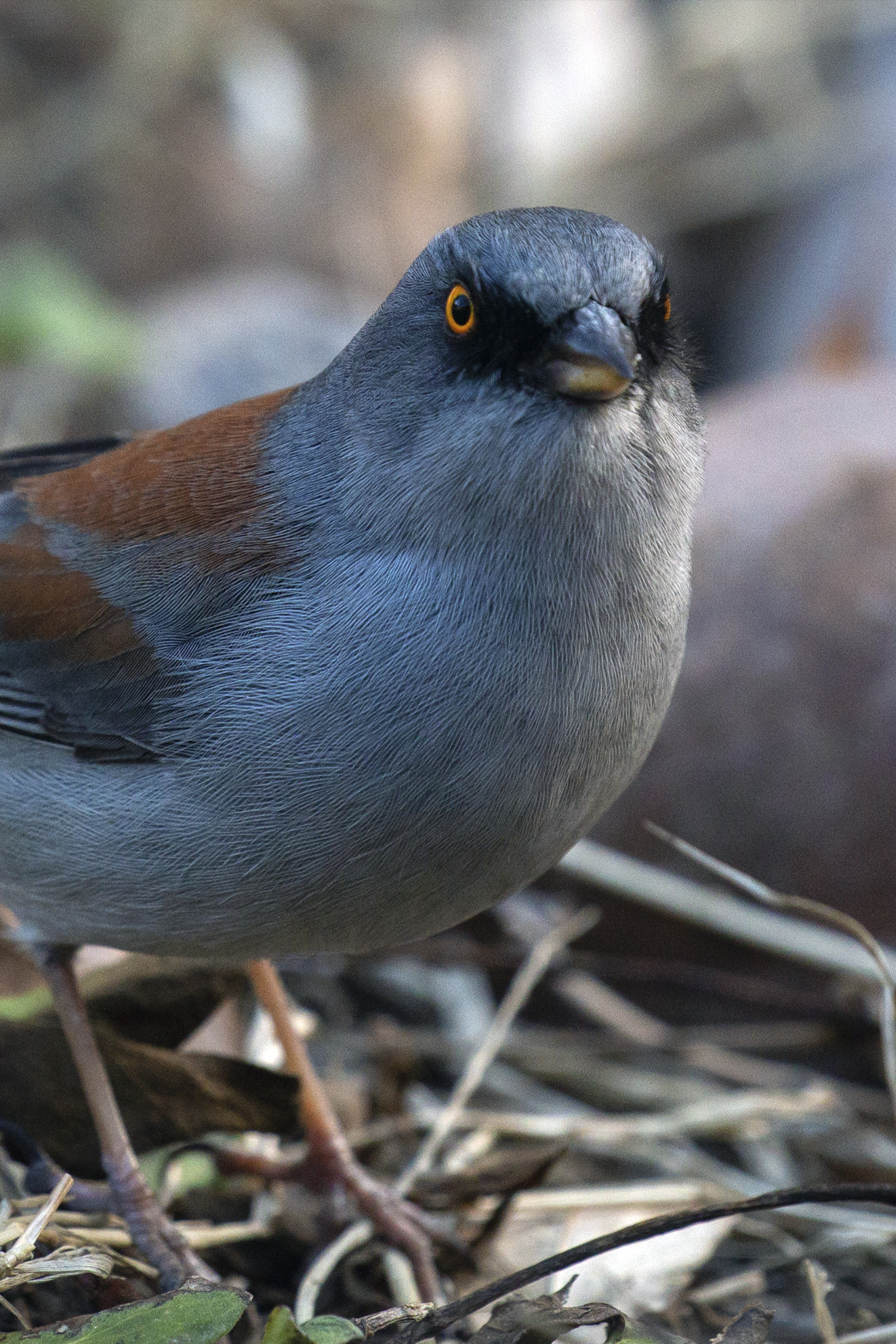
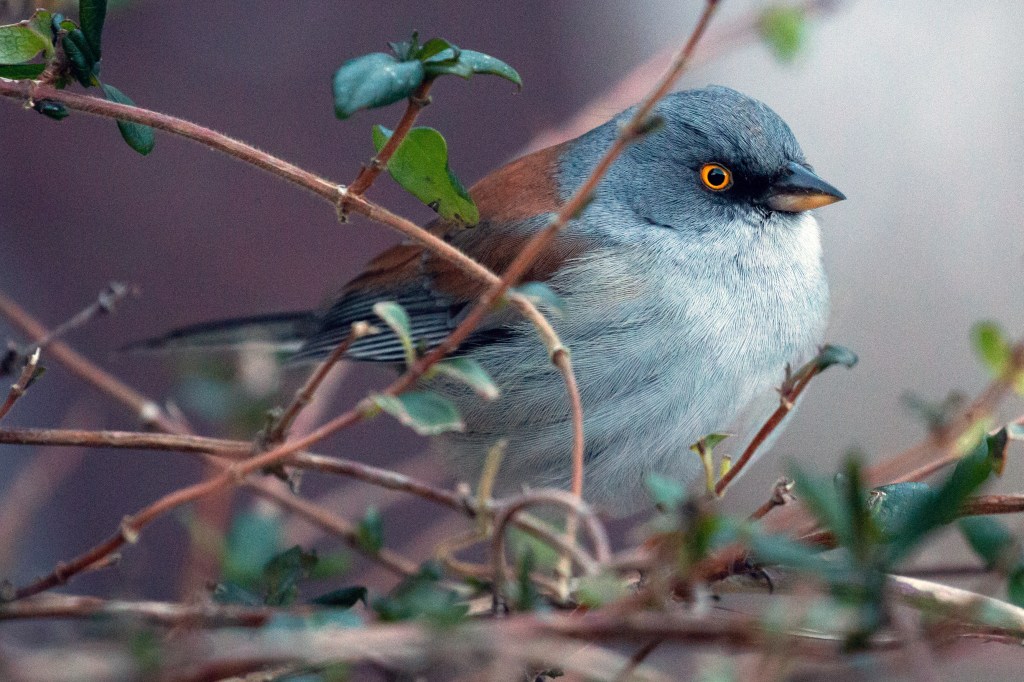
The Dark-eyed Junco is a Common Winter Visitor to California’s Central Valley and can be found in many habitats. There are 2 species of Junco in the US, the Dark-eyed Junco and the Yellow-eyed Junco. However, the Yellow-eyed Junco is only found in SE Arizona and is not going to be found in the Central Valley. Check out the comparison between the two species below.
The Dark-eyed Junco is a small, sparrow-sized bird that is in fact, a member of the sparrow family (Passerellidae). Juncos are granivorous (seed-eating) ground-dwelling birds that are almost always found in small flocks.

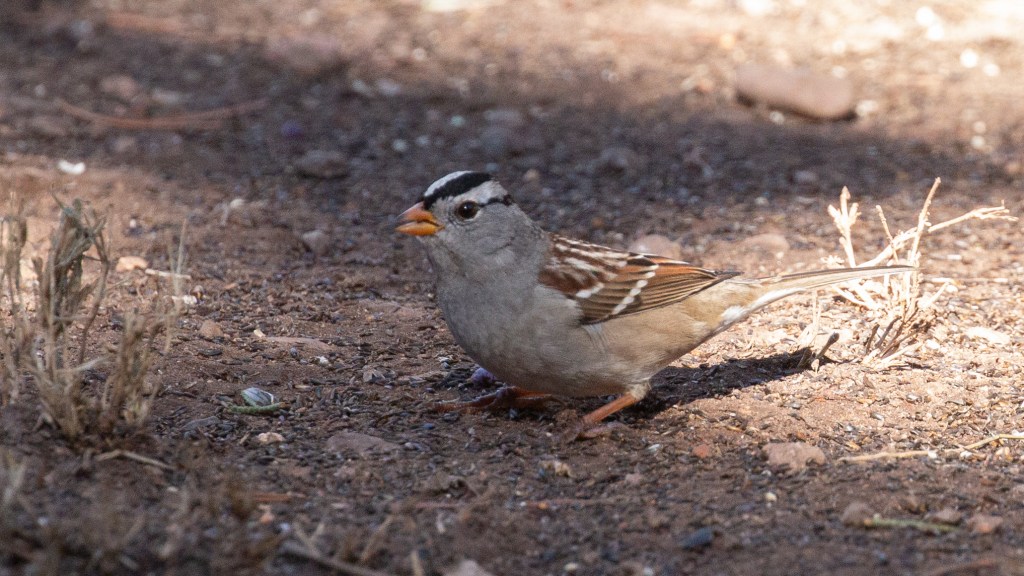
While it is often found in close proximity to White-crowned and Golden-crowned Sparrows at backyard feeders, it is actually more closely related to the more secretive Fox Sparrow.
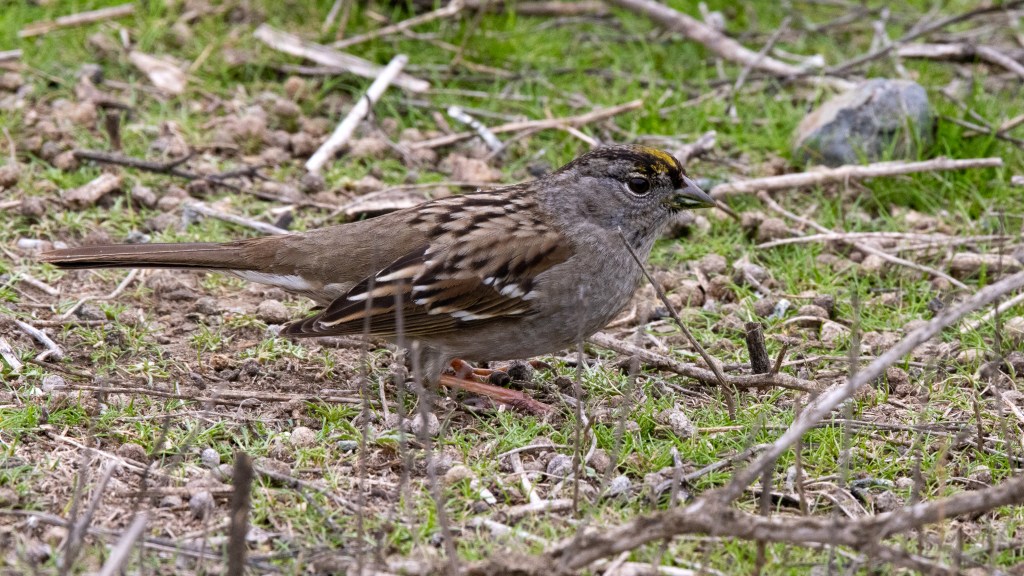
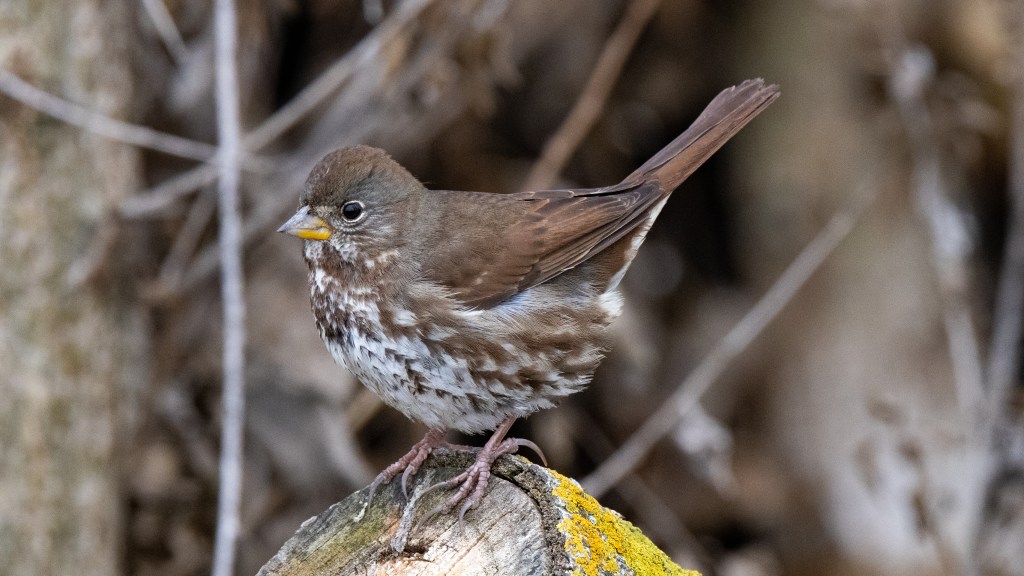
Dark-eyed Juncos are known as habitat generalists. In the field of ecology, classifying a species as a generalist or a specialist is a way to identify what kinds of food and habitat resources it relies on to survive. Generalists can eat a variety of foods and thrive in a range of habitats. Specialists, on the other hand, have a limited diet and stricter habitat requirements. (National Geographic Resource Library)

Appearance
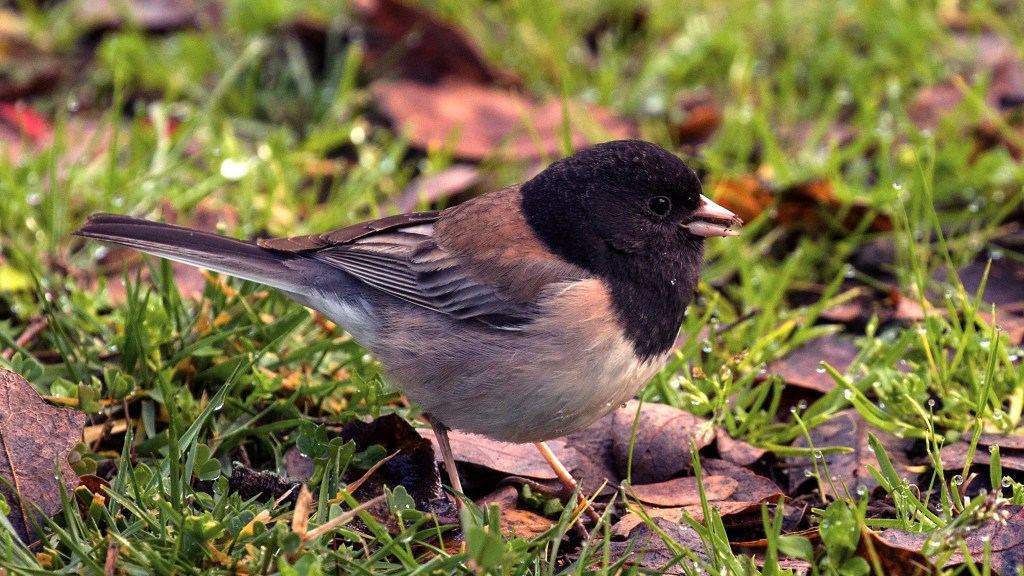
While there are several different forms (sub-species) of Dark-eyed Junco in the US, the form known as the Oregon Dark-eyed Junco is our most common form. The adult male “Oregon” Dark-eyed Junco is easily identified by its all-dark head and brown back, pale bill, white belly and white outer-tail feathers. The white outer tail feathers flash distinctively in flight and while hopping on the ground.

The female and 1st year male “Oregon” Dark-eyed Juncos sport a more medium to light gray head, but otherwise look the same.

OTHER JUNCOS
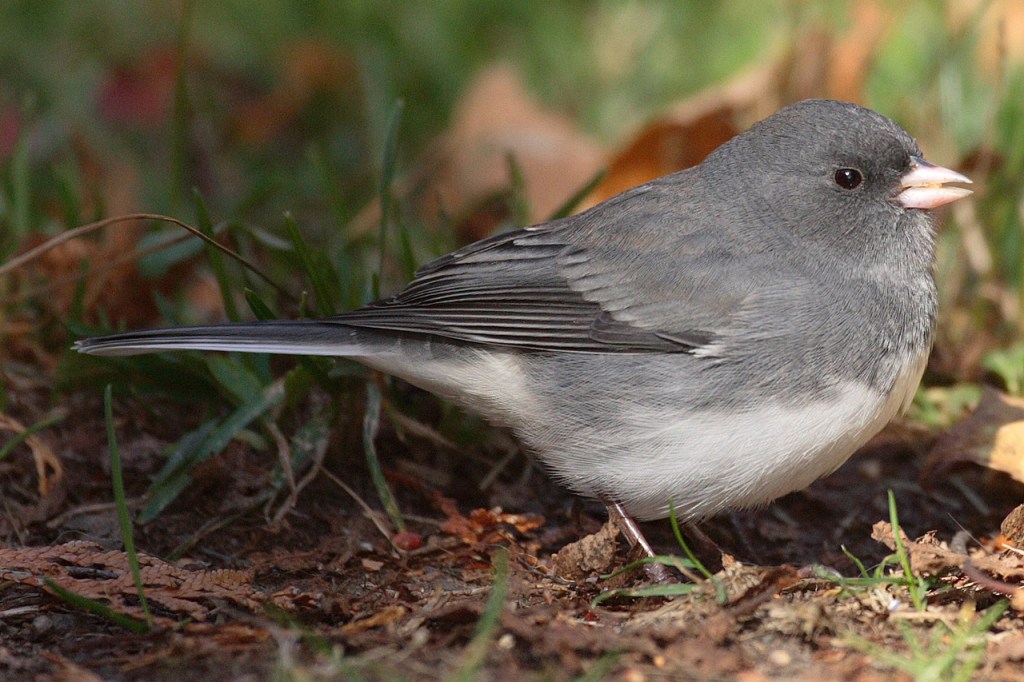
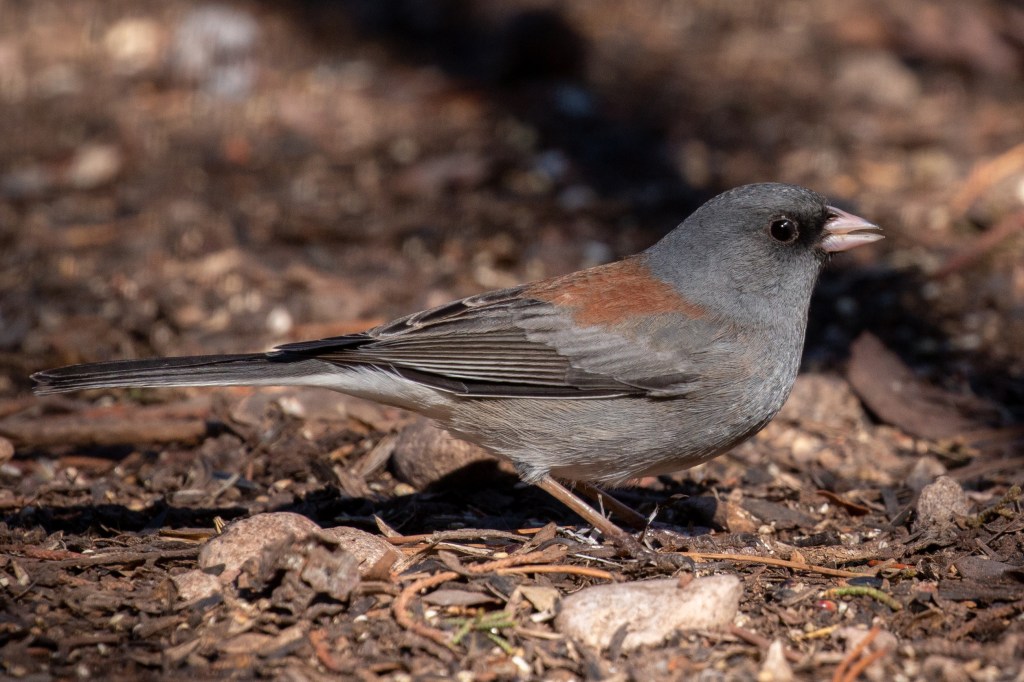
Some of the other forms (sub-species) of Dark-eyed Junco that may appear from time-to-time in the Central Valley include the curious all gray with a white belly Slate-colored Junco or the reddish-backed Gray-headed Junco. In SE Arizona there is a completely different species called the Yellow-eyed Junco that looks like a Gray-headed, but with yellow eyes.
Previous posts from the Learn 100 Common Valley Birds series,


 Reflections of the Natural World
Leave a reply to Dark-eyed Junco | Nature Cancel reply