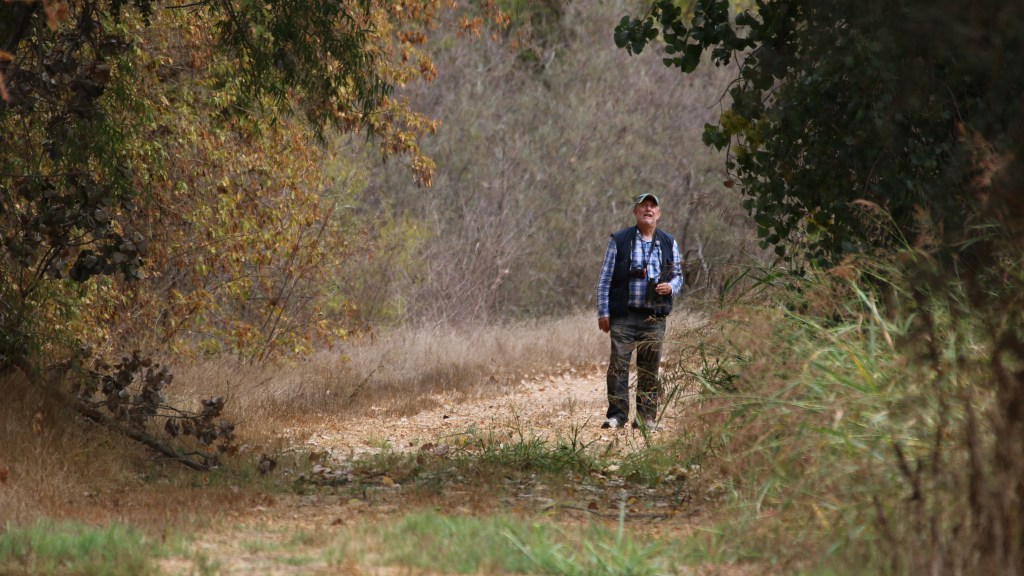
Contact with nature benefits our mood, our psychological well-being, our mental health, and our cognitive functioning. For centuries outdoor enthusiasts have given testimony to the joy one can derive from a simple walk in nature.
“One touch of nature makes the whole world kin.”
― William Shakespeare
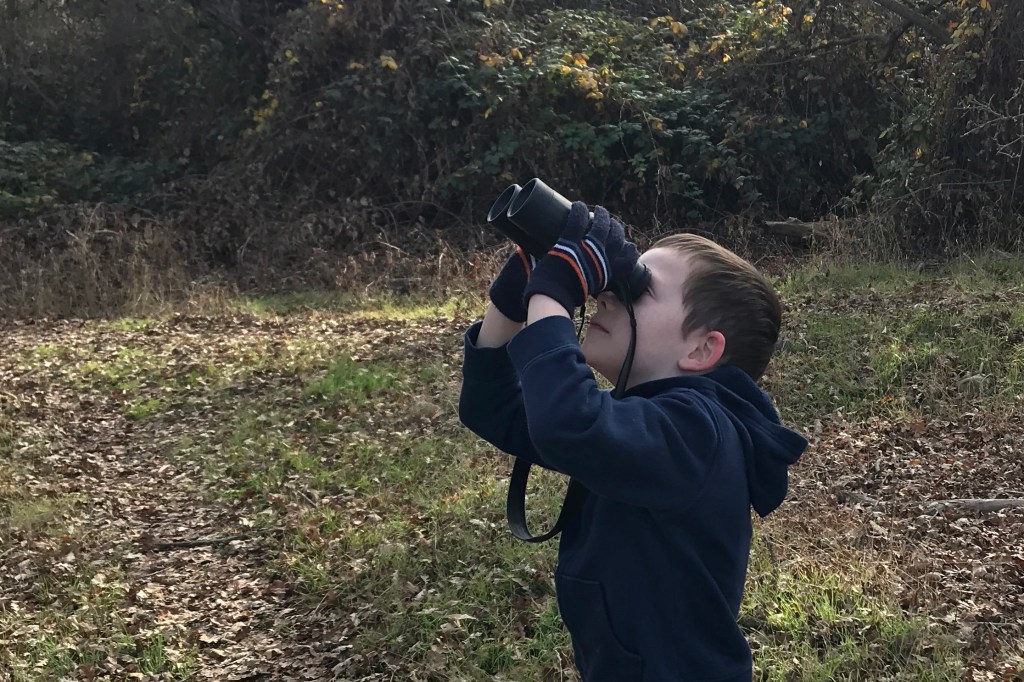
“Look deep into nature, and then you will understand everything better.”
― Albert Einstein

“In all things of nature there is something of the marvelous.”
― Aristotle
BENEFITS OF BIRD WATCHING
Stress reduction
A study from the University of Exeter in England found that people living in neighborhoods with more birds and tree cover are less likely to have depression, anxiety and stress.
The study, published in the journal BioScience, surveyed more than 270 people from towns throughout southern England. Researchers found a positive association between the number of birds and trees in a neighborhood and residents’ mental health, even after controlling for a neighborhood’s poverty level and other demographic factors.

“Evidence is there to support the conclusion that contact with nature benefits our mood, our psychological well-being, our mental health, and our cognitive functioning,”

Improve cardiovascular health
Many may be shocked to learn that birding can count as a workout. But often, locations that offer the best opportunities for bird watching are located off of the beaten path and require a bit of a hike in order to reach. Getting your blood pumping with a moderately-paced walk is a great way to keep your heart healthy, and by taking part in an activity you enjoy, you won’t even notice you’re getting in a workout.

Hone patience skills
The payoff of bird watching isn’t always immediate, and usually requires time spent waiting for the much anticipated glimpse of the birds you’re seeking. Refining your patience skills isn’t only a practice that will improve your mental well-being, but also has physical health benefits. A 2007 study found that people that are more patient are less likely to experience headaches, ulcers, pneumonia, acne and other health problems.

Obtain quicker reflexes
After a lengthy wait, a bird watcher has to be ready at any given second to grab their binoculars or camera to bask in and capture that long-awaited moment. Every birding opportunity gives you the chance to exercise your reflex speed, as well as improve upon it. Having fast reflexes not only allows you to be a successful bird watcher, but will prevent a barrage of small disasters from happening in your day-to-day life and help you better thwart off danger.

SUGGESTIONS FOR PANDEMIC-SAFE BIRDING
With just a few social-distancing tweaks added to your routine, birding (ornithology sessions) can be safely practiced in most outdoor settings.
- Don’t go with a group of your friends
- Avoid public transportation
- Keep at least 12 feet away from others not in your immediate family social bubble.
- Have a mask at the ready in case others approach within the 12 foot limit.
- Don’t share optics with others not in your immediate family social bubble
- Have a bottle of disinfectant in your car and use it liberally as soon as you return to it.

ORNITHERAPY – TAKING BIRDING TO ANOTHER LEVEL
WHAT IS ORNITHERAPY?
Ornitherapy is a portmanteau of the terms ornithology (the study of birds) and therapy. Borrowing from “Our Guide to Ornitherapy – Getting Started” by Whitehawk Birding, “Simply put, Ornitherapy is the practice of observing birds to calm the mind, to ground or center yourself, or to help focus your thoughts on the present moment.
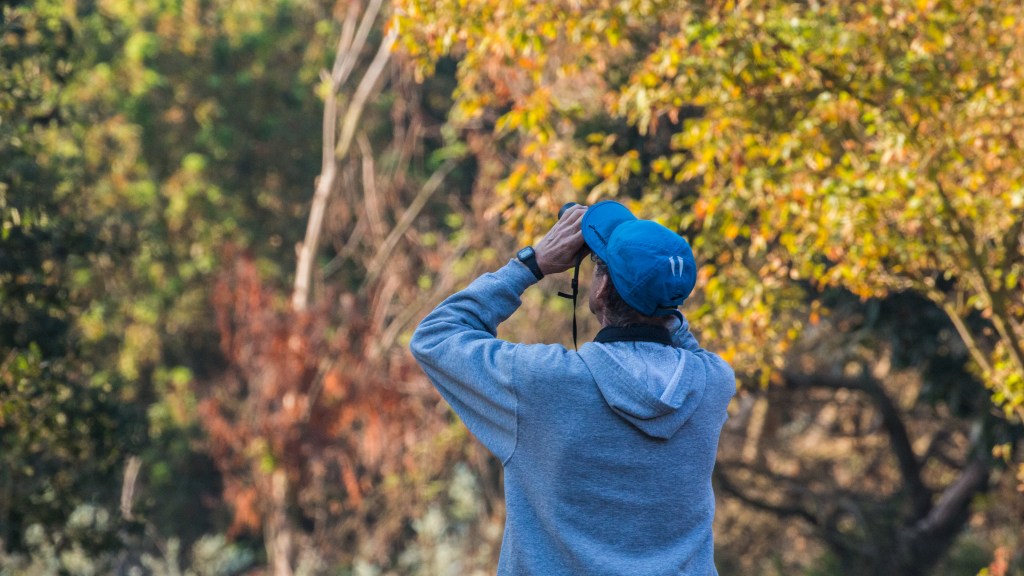
Ornitherapy endeavors to transform the data-intensive, species listing science that is birding, into a sensory journey of the sights, sounds, smells and species interactions of nature. Ornitherapy is more about the sensory experience as one becomes enveloped by the sphere of life.
“The question is not what you look at,
― Henry David Thoreau
but what you see.”
Connecting to the natural world facilitates streams of creativity and learning, while providing benefits such as: stress reduction, improved focus, and a more positive mindset.


 Reflections of the Natural World
Leave a reply to COVID-19 Birding – A Therapeutic Walk in Nature – Reflections of the Natural World – GODADDY WORLD Cancel reply